Two ways to organize the queue
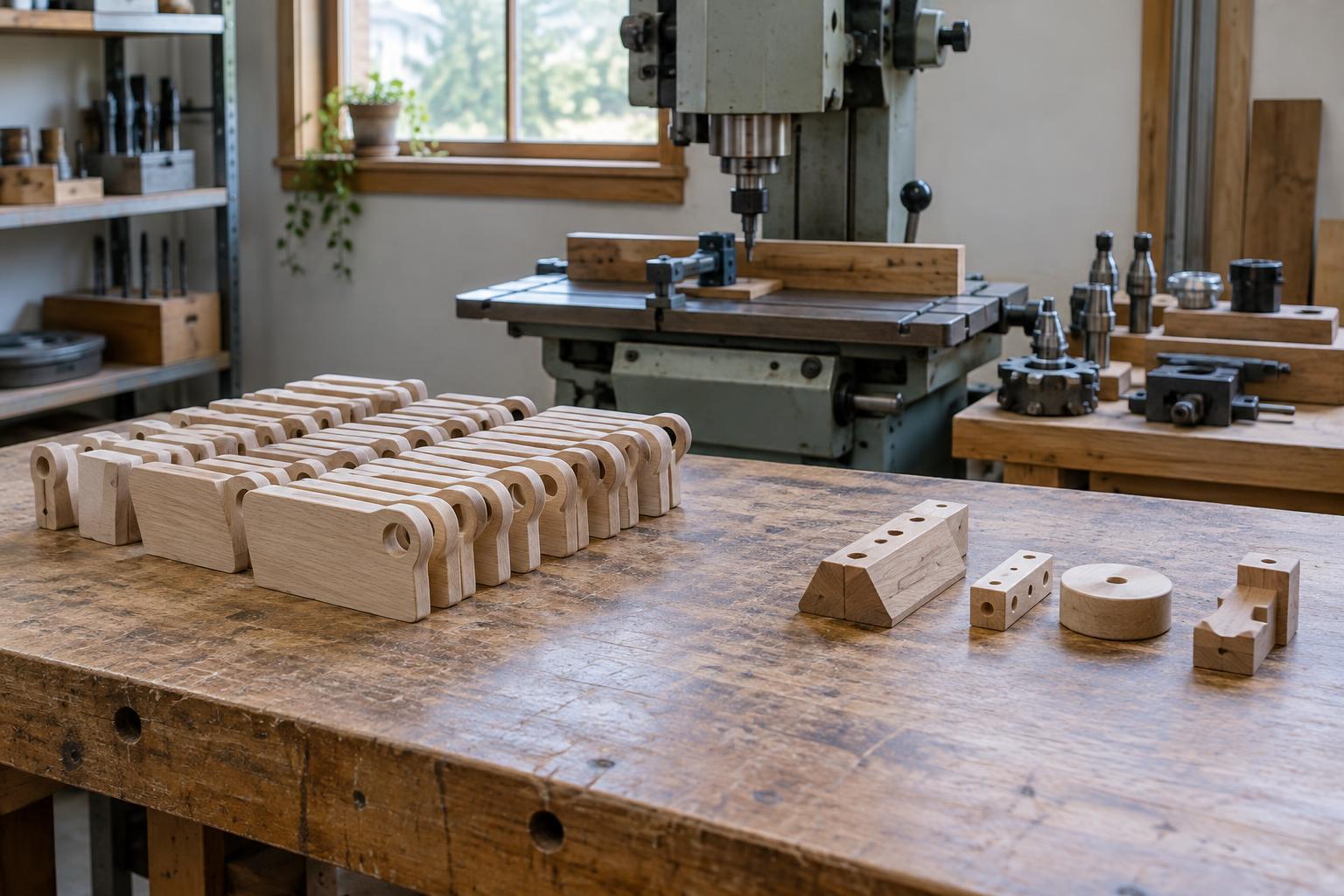
A workshop with several jobs waiting for the same equipment has a choice. It can group jobs that use a similar material, tool or finish, reducing the number of times the workstation must be reset. Or it can run jobs in smaller quantities and change over more often, allowing work to move toward completion sooner. Neither approach is inherently more organized. Each uses workshop time differently.
Batching tends to protect productive machine or bench time. If cleaning a spray station, changing a cutting tool or resetting a fixture takes substantial effort, grouping compatible jobs can leave more time for making parts. Frequent changeovers protect flexibility. They can prevent an urgent small order from sitting behind a large run and help reveal problems before many pieces have been made. The choice affects not just the workstation being scheduled, but also the people and processes before and after it.
Look beyond setup time
Setup time is visible, which makes it tempting to schedule solely around it. Waiting is less visible. A large batch may occupy a machine efficiently while finished pieces pile up before assembly, inspection or packing. Other jobs may remain untouched even though they need only a short operation. The workshop can appear busy while fewer complete orders leave the door.
Smaller runs can reduce this waiting, but they carry costs of their own. Each changeover may require locating tools, checking settings, preparing material and confirming the first acceptable piece. Repeated interruptions can make mistakes more likely, especially when job instructions are unclear. A changeover may also draw a skilled worker away from another task. When comparing schedules, count the full preparation and verification effort rather than only the minutes a machine is stopped.
Materials can influence the decision too. Jobs using the same finish may sensibly run together to limit cleaning and leftover mixed material. By contrast, grouping orders merely because they share a material may offer little benefit if their tooling and inspection needs differ. Define what makes jobs genuinely compatible before calling them a batch.
Find the constraint and the promise
The most consequential scheduling choice is often at the step that limits how much work the shop can complete. If a particular machine or specialist is consistently overloaded, unnecessary changeovers there may reduce the capacity available to every order. It may be worth batching that step while allowing smaller runs elsewhere. If the overloaded step instead spends much of its time waiting for prepared work, larger batches upstream may not solve the problem; steadier delivery to that step may help more.
Customer commitments matter alongside capacity. A workshop making repeat components for stock can often plan a longer run without delaying a specific order. A shop handling varied, made-to-order work may need shorter runs so that each order reaches its next operation in time. Due dates alone should not dictate the queue, though: the remaining steps, material readiness and likely setup effort all affect whether a proposed sequence is workable.
It helps to distinguish a job's processing time from its total time in the workshop. A part may need only a brief operation but wait days in a queue. Shortening that queue can improve completion time even if the workshop performs more changeovers.
Use a hybrid rule rather than an absolute policy
A practical schedule can reserve batching for expensive or disruptive setups while setting limits on how long other jobs may wait. For example, the planner might group work by finish at one station but release it in quantities the next station can handle. That is different from making every compatible piece simply because the equipment is already set up.
Another option is a short planning window: review ready jobs, group the compatible ones that fit within the window, then reassess. This gives workers a stable sequence without locking the workshop into a long run when priorities change. Leave room for a genuinely time-sensitive job, but define how it enters the schedule. If every new request becomes an exception, the plan offers little protection from disruption.
Keep batches identifiable and job instructions close to the work. Similar-looking parts for different orders can be easy to mix. Clear labels, quantities and handoff points make a flexible schedule easier to manage, particularly when a batch is split between operations.
Test the schedule against completed work
Start with a small comparison rather than redesigning the whole workshop. For a chosen workstation, note setup effort, the time jobs spend waiting, work accumulating after the station and orders completed as promised. Then try a different batch size or review interval for suitable jobs. Record unusual events, such as a material shortage, so they do not get mistaken for effects of the scheduling rule.
Ask workers what the numbers miss. A nominally short changeover may be difficult because tools are stored far away; a large batch may be easy to run but awkward to inspect and store. Improving tool organization, instructions or material preparation can reduce the cost of changeovers and change which schedule makes sense.
The aim is not to keep every workstation running without pause. It is to move the right work through the whole workshop with manageable setup effort, limited waiting and clear priorities. Revisit the rule when the mix of jobs, equipment or delivery commitments changes.