
Materials and ComponentsWood can look ready to use while still adjusting to its surroundings. Understanding moisture content helps makers plan storage, measure stock, and design assemblies that remain sound as the wood moves.
Read article · 3 min↗
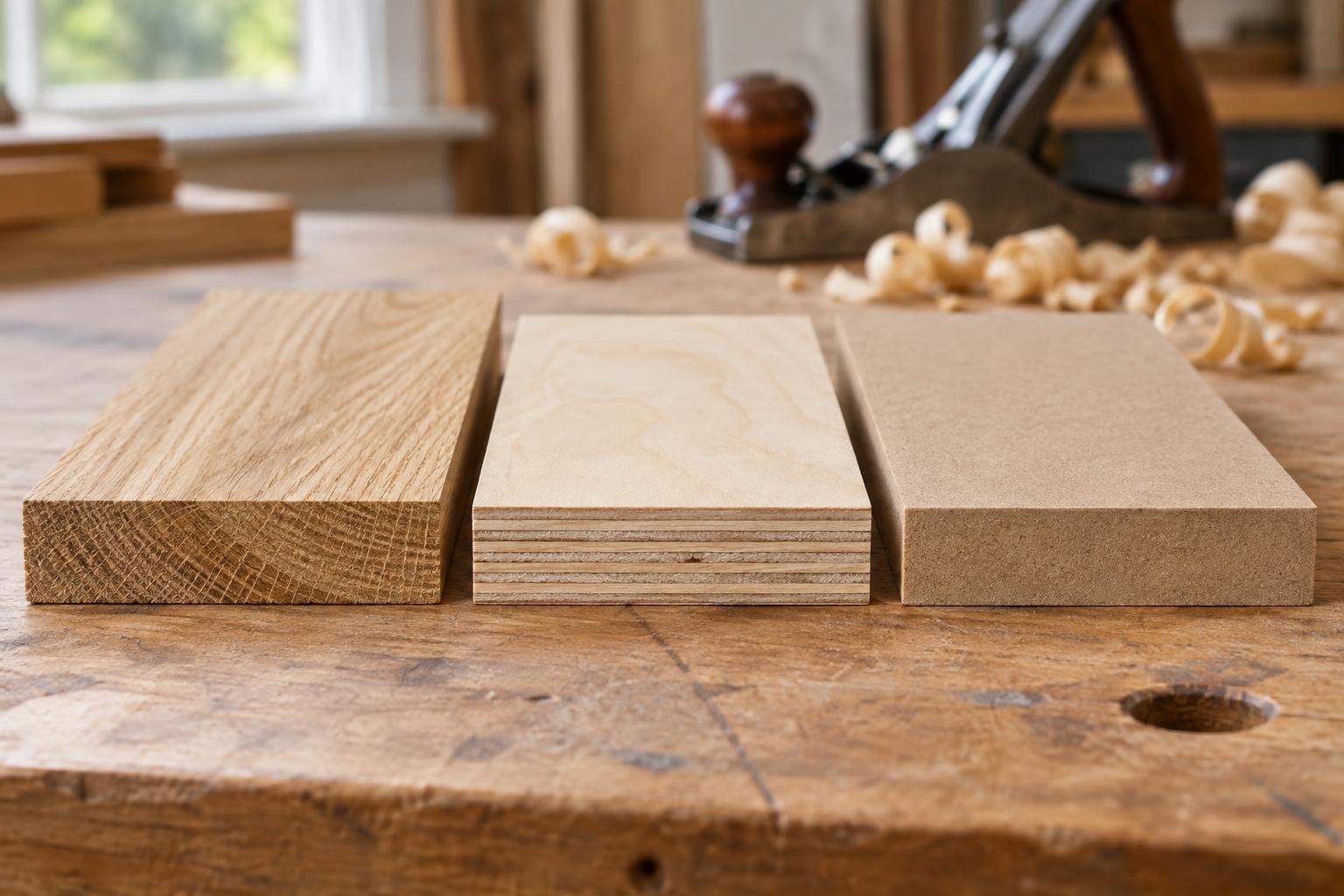
Materials and ComponentsSolid wood, plywood and MDF can all make durable, well-considered products, but they behave differently when humidity changes, edges are exposed or a design calls for fine detail. Here is a practical guide to choosing among them.
Read article · 4 min↗
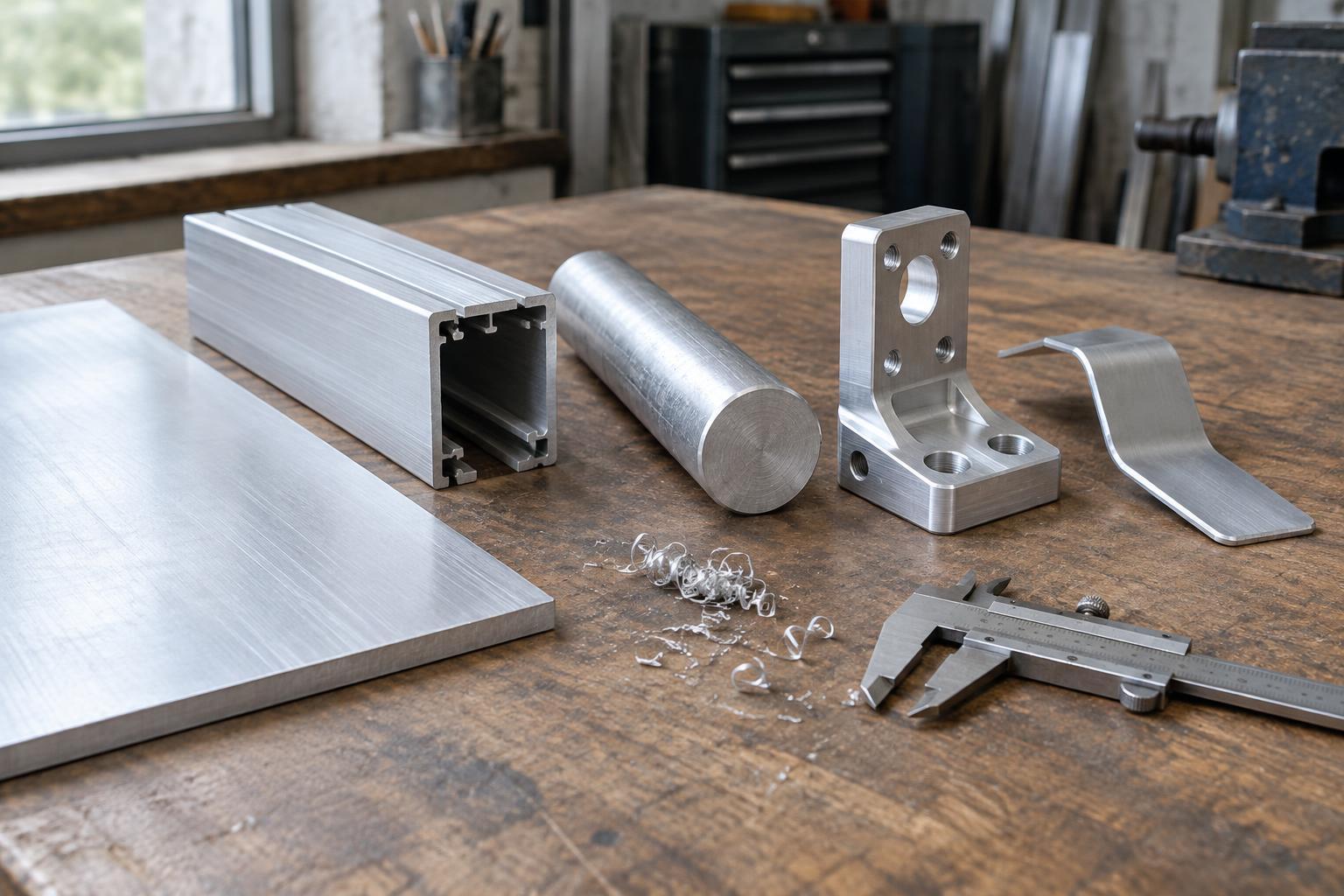
Materials and ComponentsAn aluminum grade identifies an alloy family; its temper describes the condition in which the material is supplied. Understanding both helps designers and workshops compare strength, formability, machining, joining and finish requirements before choosing stock for a component.
Read article · 4 min↗
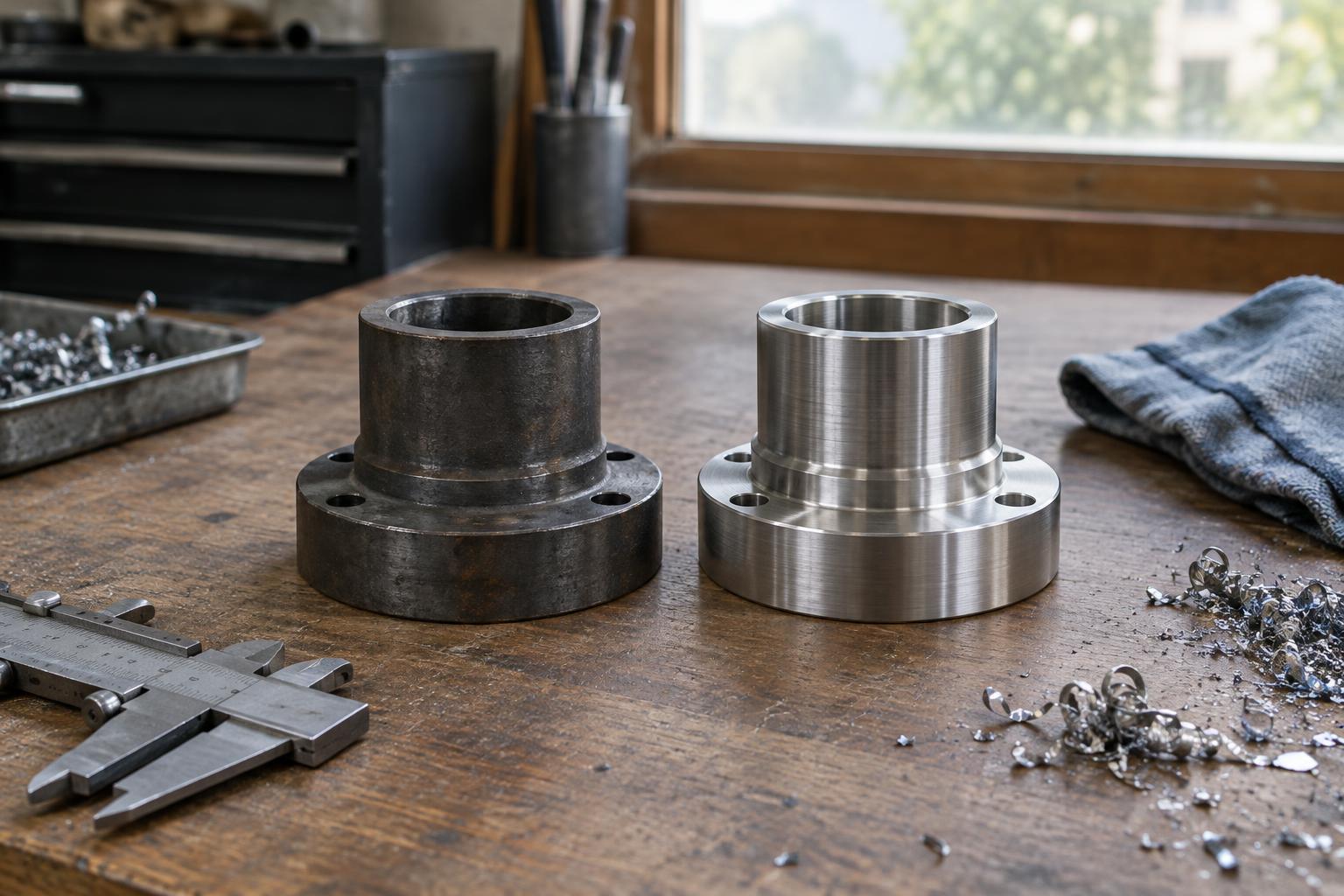
Materials and ComponentsCarbon steel and stainless steel are families of materials, not single grades. A useful choice starts with the part’s environment, the kind of wear it faces, and the work needed to make and maintain it. This guide explains the trade-offs without assuming that either material is always the durable or economical option.
Read article · 4 min↗

Materials and ComponentsA material datasheet is a starting point, not a guarantee of how a finished part will perform. Learn how to interpret strength, hardness, and temperature figures—and which test conditions and manufacturing details to check before making a comparison.
Read article · 4 min↗