Start with the product and its users
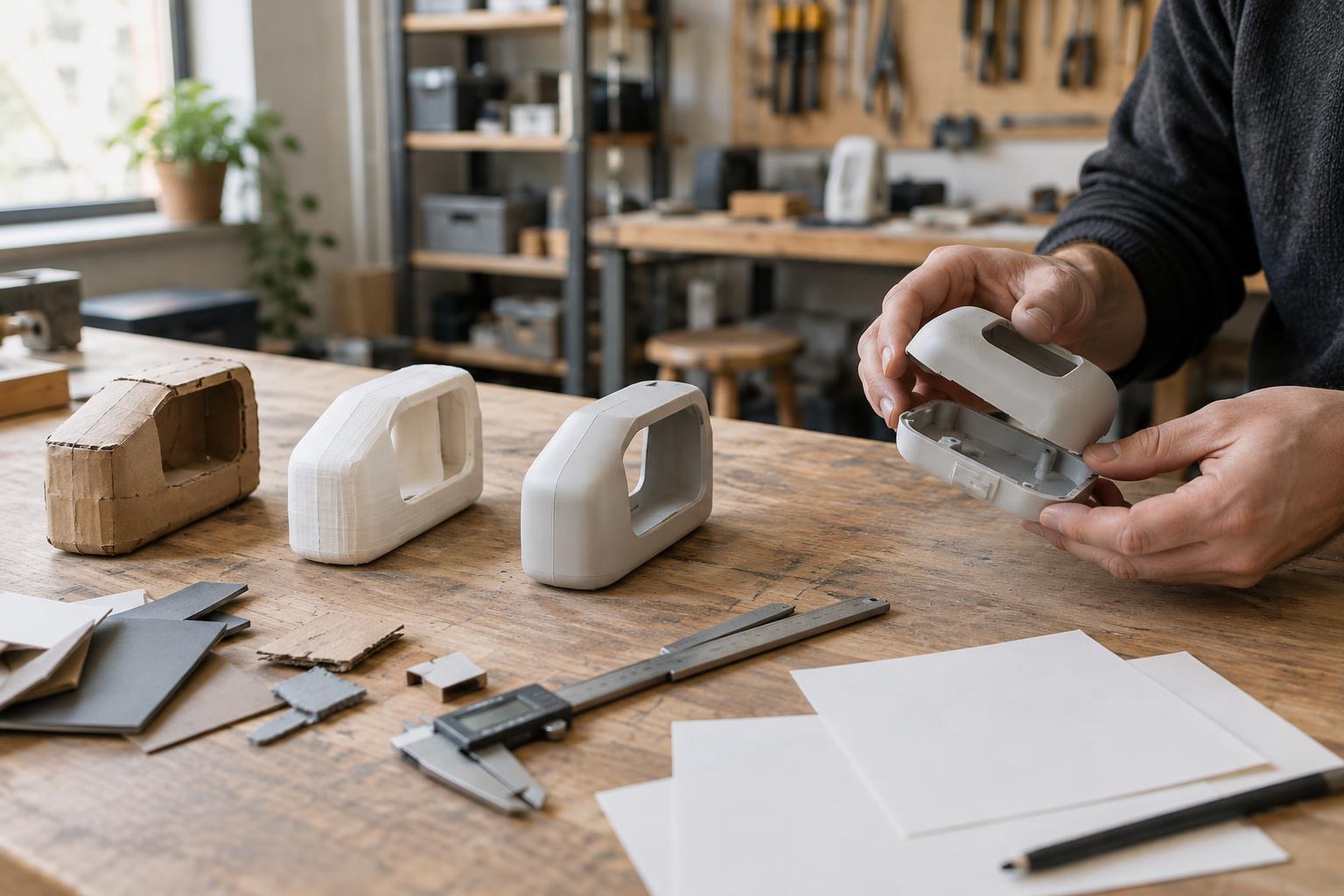
A safety and compliance checklist is most useful when it describes a specific product, not a generic category. Begin with what the product does, who is expected to use it, where it will be used and how long it is intended to last. Include its major materials and components, any power source, and the environments it may encounter during storage, transport and normal use. These details help the team identify which requirements need investigation.
Describe the boundaries of intended use as well. A workshop tool, for example, may be designed for trained operators but still be handled during cleaning, maintenance and packing. Note reasonably foreseeable mistakes, such as incorrect assembly or use of an unsuitable accessory. These scenarios do not imply that every misuse can be prevented; they give designers a clearer basis for considering guards, instructions, component choices and other safeguards.
Separate obligations from design goals
Give each checklist entry a clear source and status. Some requirements may come from laws or regulations in a target market; others may come from applicable standards, customer specifications or the team’s own design goals. Keep these categories distinct. A desirable feature, such as easy disassembly, should not be mistaken for a legal obligation, while a mandatory marking should not be left as an informal preference.
For each potential requirement, record the product version and market it concerns, who will confirm whether it applies, and where the authoritative text or customer specification can be found. Requirements can depend on details such as product classification, materials and intended users. When an obligation is unclear, mark it for review rather than turning an assumption into a pass or fail item. For regulated products, obtain appropriate specialist guidance before making compliance decisions.
Turn risks into testable requirements
A checklist entry should tell the team what must be achieved and how they will know. “Product must be safe” is too broad to guide a design review. More useful entries address particular concerns: exposed moving parts, sharp edges, overheating, unstable assembly, component failure or confusing controls, as relevant to the product. State the expected outcome in terms that can be assessed, and link it to the use scenario or hazard that prompted it.
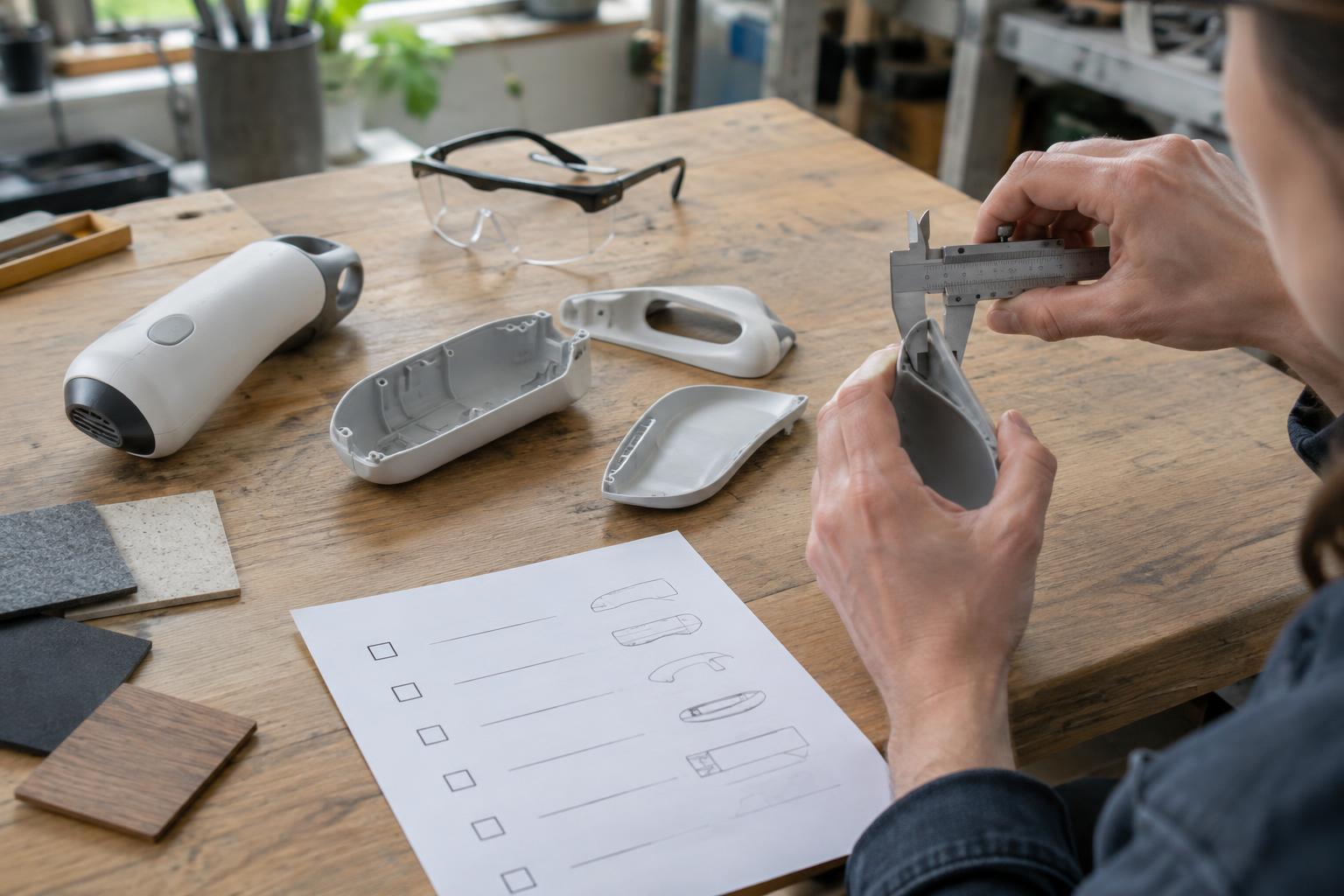
Choose a planned verification method for each entry. That might be a drawing review, material documentation, a prototype inspection, a functional test or a review of labels and instructions. Record the acceptance criterion where one is available, along with the person responsible and the result. A checkbox alone shows that someone considered an item; it does not show what was examined or whether the final design met the requirement.
Connect the checklist to materials and production
Safety decisions made during design must survive purchasing and manufacture. Identify components and material properties that matter to a requirement, such as a fastener’s fit, a coating’s specified characteristics or the dimensions of a protective cover. Link those entries to drawings, approved specifications and supplier documentation. If a substitute material or part is proposed, the checklist should make clear which requirements need to be checked again.
Add production questions where a correct design depends on consistent assembly. Which features need inspection? Could an assembly error defeat a safeguard? Are instructions for assembly, adjustment and maintenance aligned with the version being built? The aim is not to copy an entire quality system into one document. It is to show how critical product requirements will be communicated, checked and recorded as work moves from prototype to repeatable production.
Keep a record that can change with the product
Give the checklist a version number and a named owner. Keep links or references to the drawings, specifications, test results and decisions that support each completed item. Where a requirement remains open, note the next action and who will take it. This makes the document more useful during a design review than a list of unexplained ticks, especially when several people contribute at different stages.
Review the checklist whenever the product, its intended use, a supplier or a target market changes. A new enclosure may affect access to moving parts; a different material may call for another review of durability or documentation. Before release, check that open items have been resolved or formally addressed and that the evidence matches the version being produced. The checklist is not a substitute for applicable requirements or expert review, but it can help a team ask the right questions while changes are still manageable.