A polished design is not the same as a proven one
Product development turns an idea into something people can make, use, maintain, and understand. Along the way, a team must decide what the product should do, which materials and processes suit it, and what level of variation is acceptable. Drawings and prototypes help answer those questions, but they can also create a false sense of certainty. A model that looks complete may still depend on an untested joint, an awkward assembly sequence, or a feature users do not need.
Three mistakes often reinforce one another: refining details before the basic approach is settled, leaving important assumptions unstated, and waiting too long to test. The remedy is not to delay decisions indefinitely. It is to make each decision at a level of detail supported by what the team knows, then seek the next piece of evidence.
Mistake one: committing to details too early
Early sketches are useful because they are easy to change. Trouble begins when a team treats a preferred shape, finish, fastener, or material as fixed before checking whether it serves the product’s core purpose. For example, a precisely specified enclosure can consume considerable effort even though the internal components, access requirements, or assembly method are still changing. Later discoveries may force the team to redo work that looked finished.
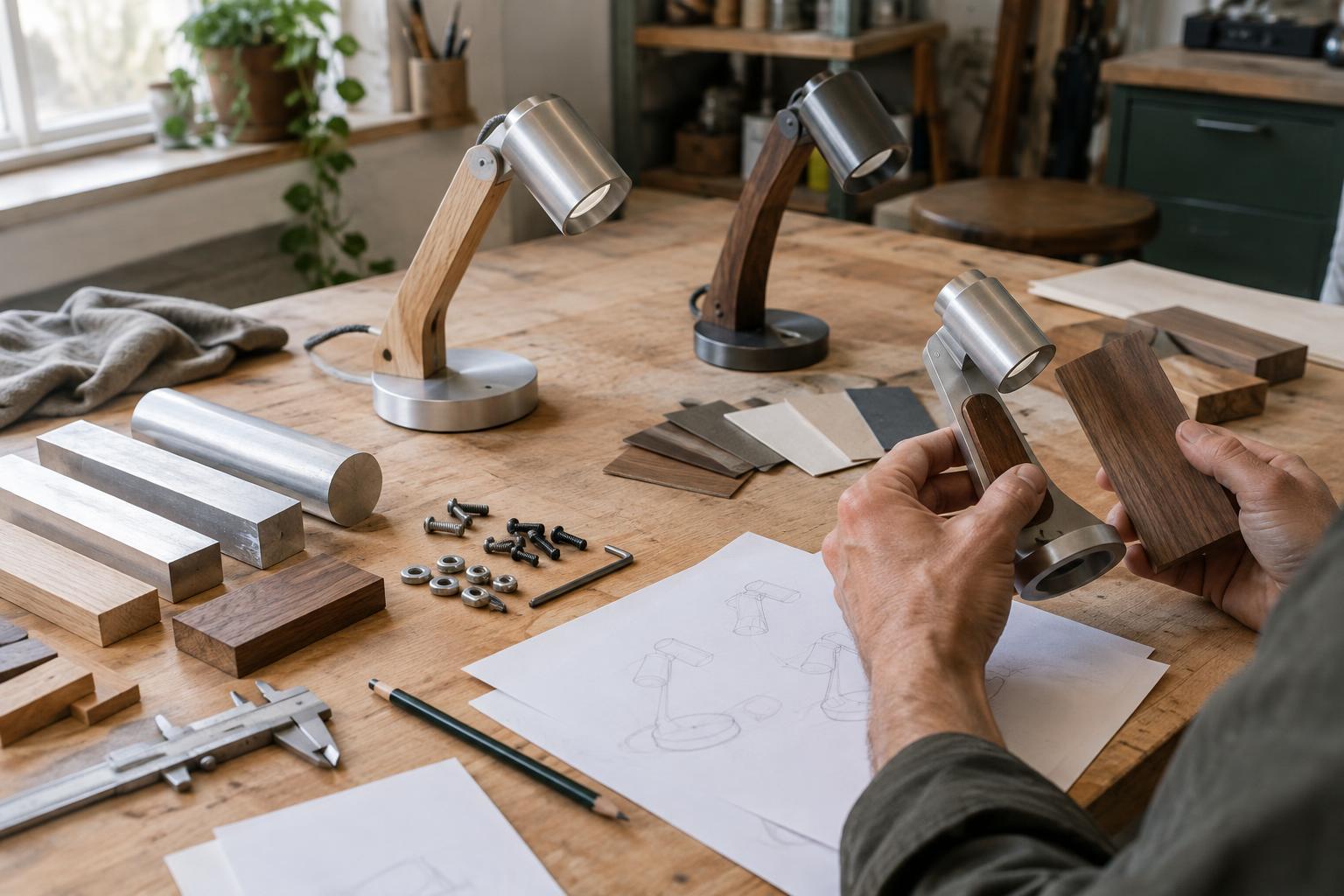
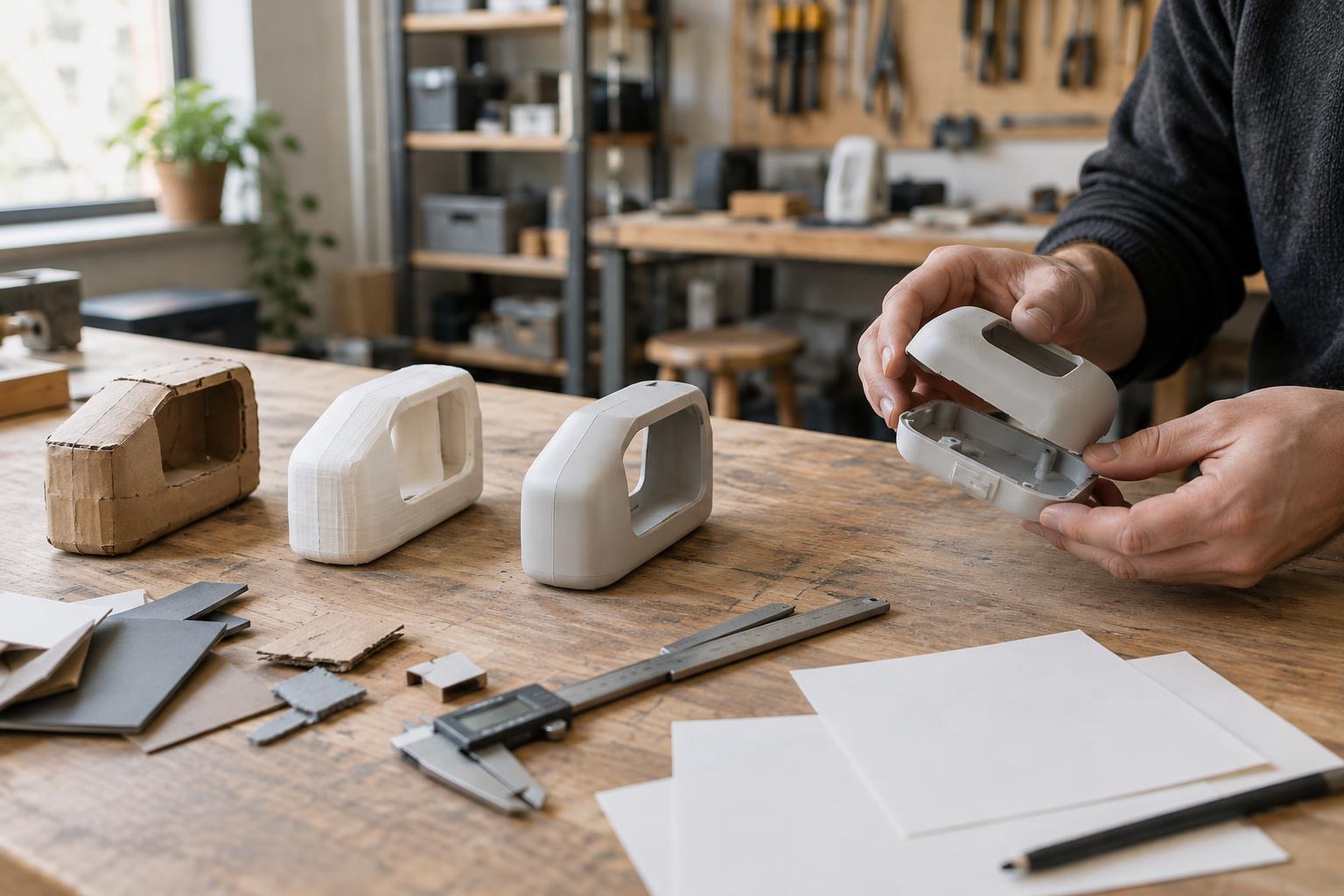
Separate decisions that define the product from decisions that merely refine it. First establish the intended use, essential functions, approximate size, and likely production approach. Explore more than one way to meet those needs, using rough models where possible. Detail should increase as uncertainty falls: a paper layout may be enough to compare arrangements, while a working prototype is more appropriate for judging fit or movement.
Some details must be resolved early because they constrain everything else. A material thickness or standard component size, for instance, may determine the geometry around it. The useful question is not “Can we finalize this?” but “What will this choice affect, and what do we need to check before relying on it?”
Mistake two: letting assumptions remain invisible
Every concept rests on expectations about use, production, and cost. A team might assume that an operator can reach a fastening point, that a surface will tolerate regular cleaning, or that a supplier can provide material in the chosen size. When these expectations stay implicit, people can agree on a drawing while imagining different products. Disagreement then appears late, after time has been spent developing the wrong interpretation.
Keep a short, shared list of assumptions alongside the design. State each one plainly: who is expected to use the product, under what conditions, and what must be true for the proposed construction to work. Give particular attention to assumptions that would require major redesign if they proved false. A workshop review can expose these quickly when someone who makes or assembles parts walks through the proposed sequence step by step.
An assumption is not a flaw; it is a question waiting for a check. Mark whether it has been observed, tested, confirmed through a relevant specification, or is still open. This makes design reviews more productive than a general request for feedback, because participants can focus on what remains uncertain rather than commenting only on appearance.
Mistake three: testing only when the design looks finished
Late testing can reveal problems when there is little room left to respond. A finished-looking prototype may make changes feel like setbacks, even when those changes would improve the product. Testing earlier keeps the purpose of a prototype clear: it is a way to learn, not a presentation of a final answer.
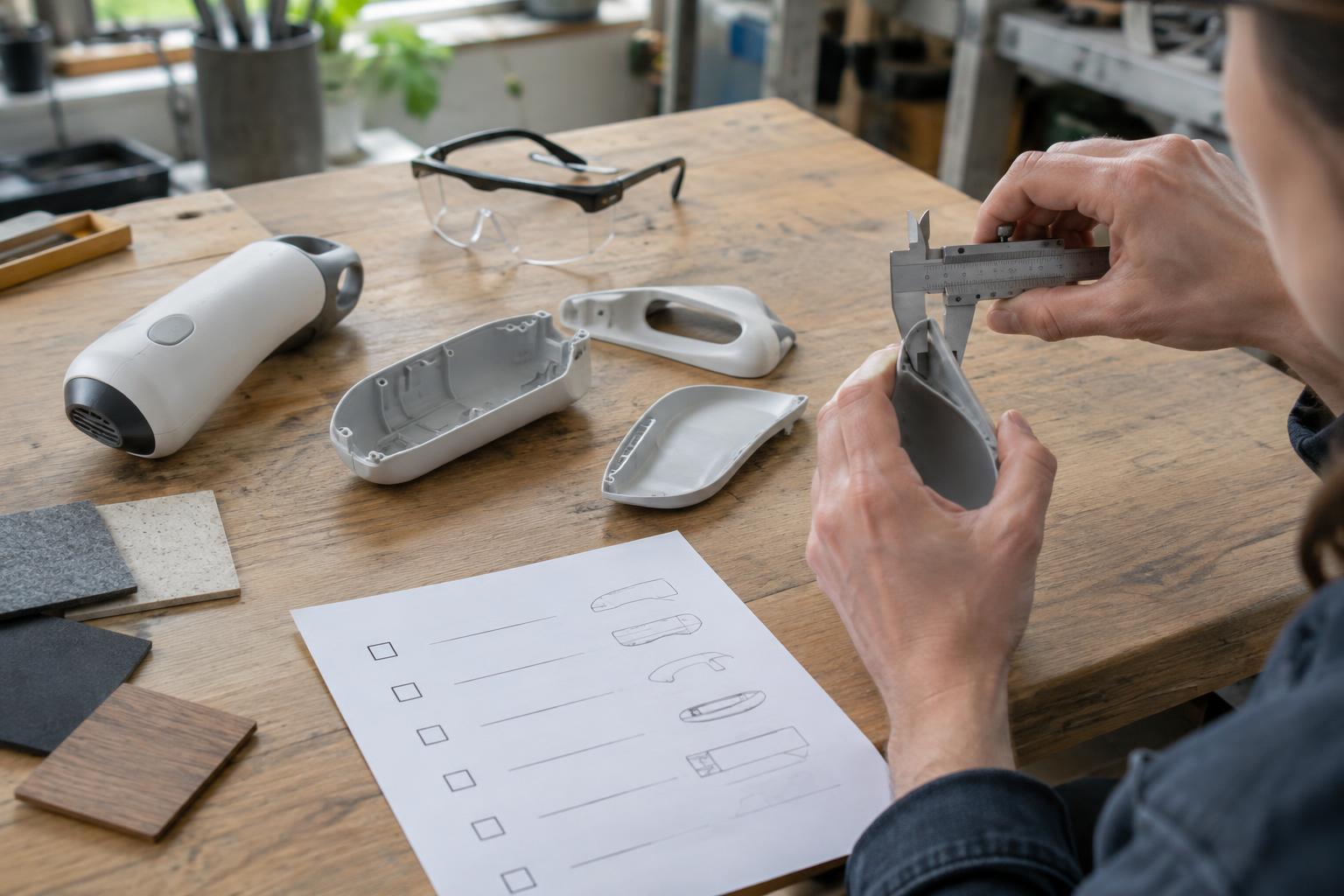
Match each test to a specific question. A cardboard mock-up can reveal reach and clearance. A sample joint can show whether parts locate reliably during assembly. A material offcut can help compare finishes or edge treatments. A simple use trial can expose confusing controls or handling problems. None of these needs to represent the whole product; a small, inexpensive test is valuable if it challenges an important assumption.
Record what was tested, what happened, and what decision follows. If a result is inconclusive, say so rather than treating it as approval. Revisit the most consequential questions after changes, since improving one feature can alter another. Development moves forward more reliably when tests are planned throughout the process, not reserved for a final inspection.
Build a sequence of decisions, not just a sequence of drawings
A practical development rhythm is to identify the next important uncertainty, choose the simplest way to investigate it, and update the design accordingly. Keep unresolved choices visible and avoid polishing parts of the design that may still move. As the concept stabilizes, more detailed drawings and prototypes become useful for checking production and assembly.
This approach does not eliminate rework. It helps make rework smaller and more informative. The goal is a product whose details reflect what has been learned about its use and manufacture, rather than one that merely looked convincing early in the process.