Start with the question, not the object
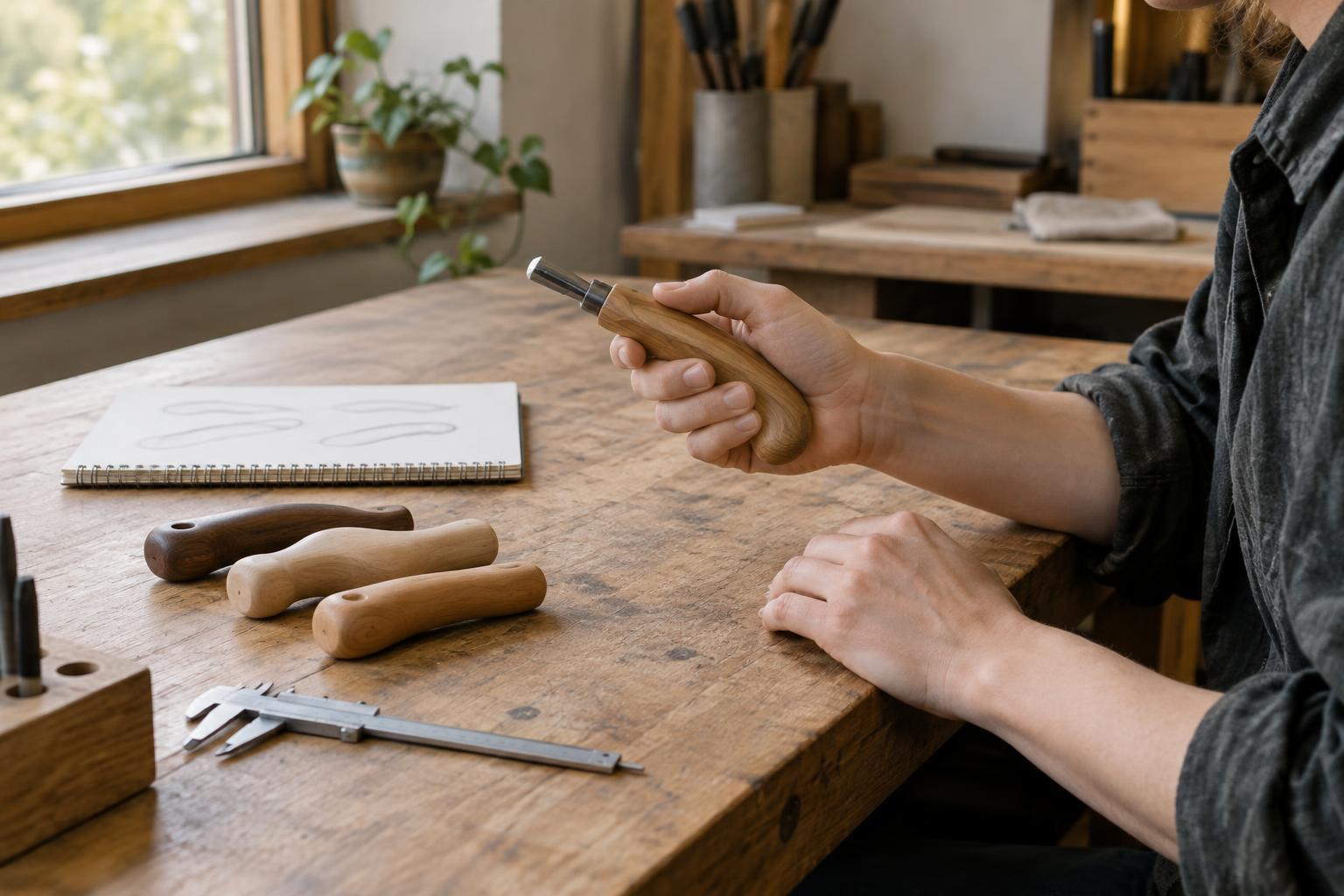
The word prototype can describe anything from a folded paper shape to a working assembly. What matters is not how finished it looks, but whether it helps a team make a decision. Before building one, write down the uncertainty it must address: Will a handle be comfortable? Can two parts fit together? Is an internal mechanism accessible for assembly? Each question calls for a different level of detail.
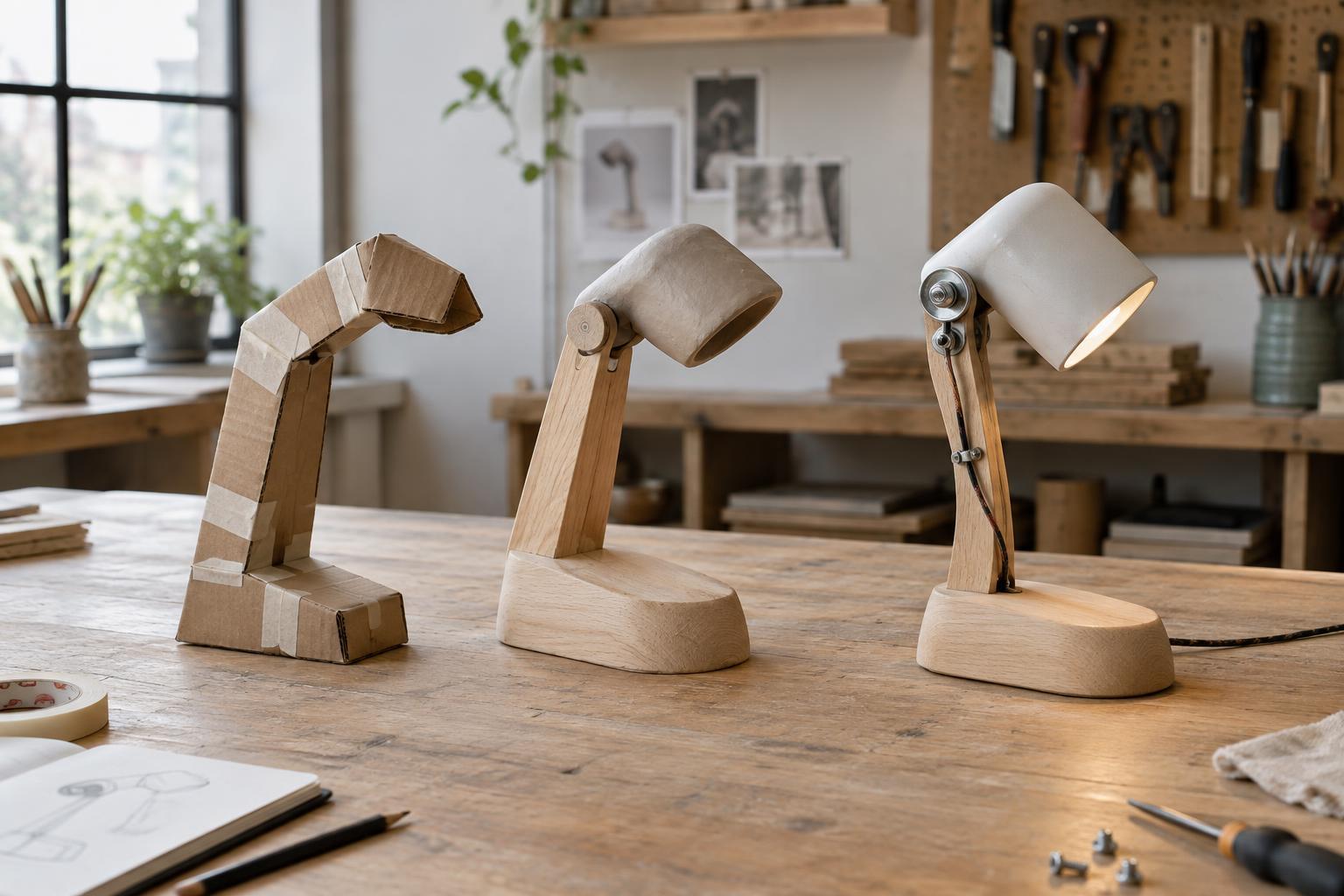
Prototype fidelity has several dimensions. A build might match the intended size but not the material, or use the right material while leaving out its final surface finish. It might function correctly yet look rough. Treating fidelity as a set of choices, rather than a single scale from crude to polished, makes it easier to spend effort where it will produce useful evidence.
Use mockups to explore shape, space, and interaction
A mockup is usually a fast, inexpensive representation made to reveal an idea rather than prove its performance. Cardboard, foam, paper, tape, or simple printed parts can help people judge proportions, reach, placement, and the sequence of an interaction. A full-size mockup can be especially useful when a product must fit a hand, shelf, work area, or neighboring component.
Keep the mockup honest about what it cannot show. A foam handle may help compare grip shapes, but it will not establish how a heavier handle feels during repeated use. A paper enclosure may reveal where a control belongs, but not whether the final wall thickness leaves enough room for a fastener. Labeling those limits prevents an encouraging first impression from being mistaken for a validated design.
Build focused models when details begin to matter
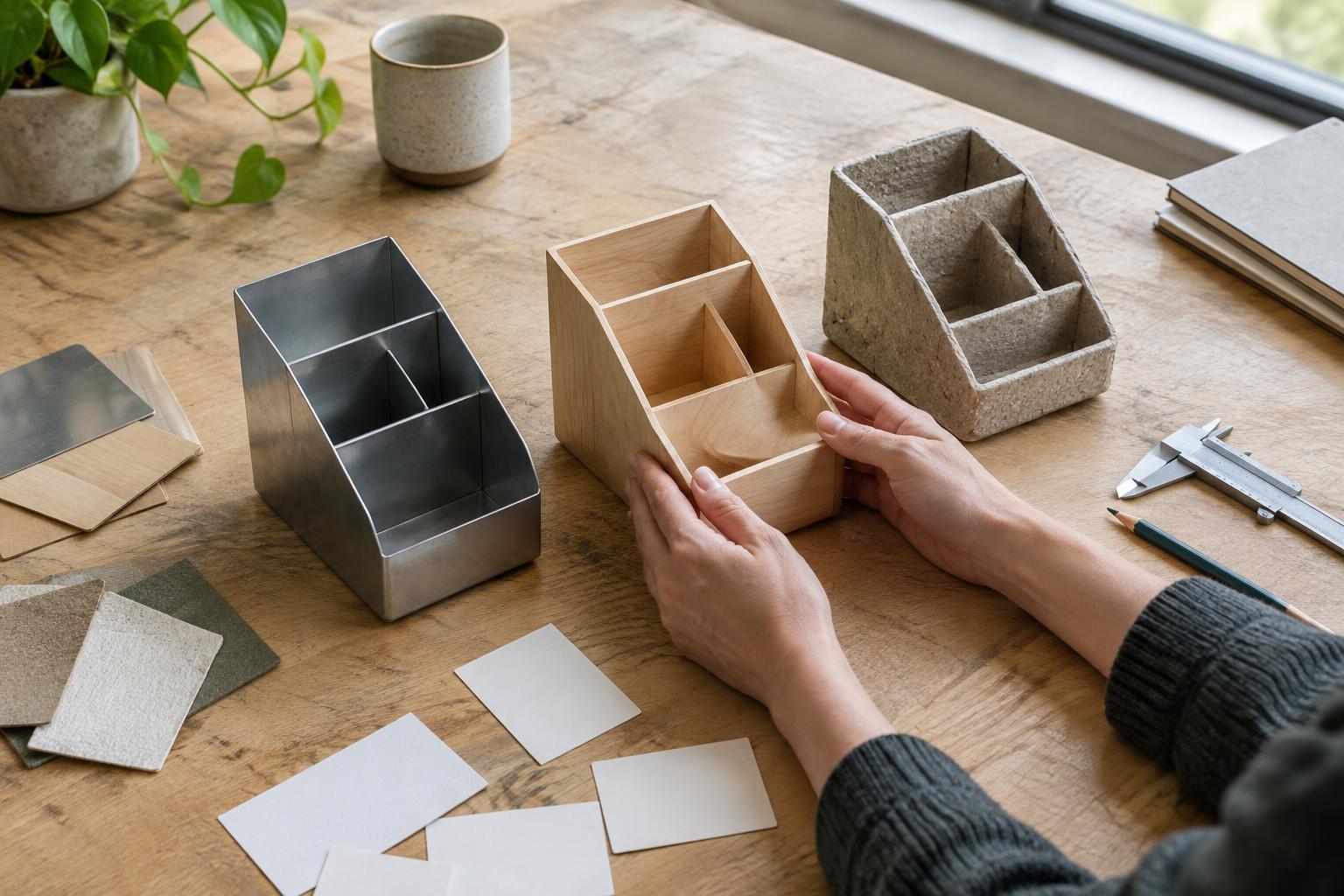
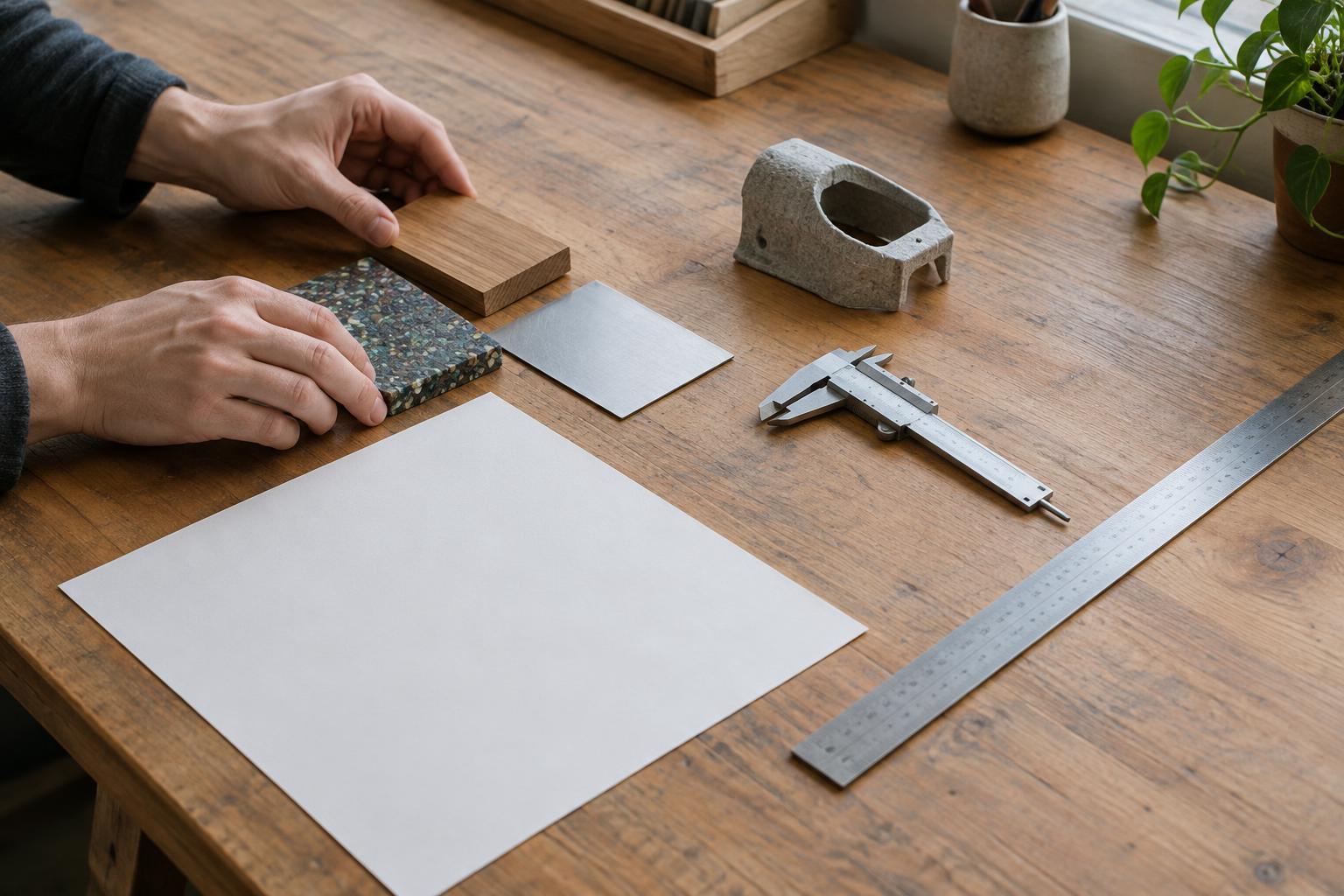
A model represents selected features more precisely. It may be a dimensional sample, a material swatch, a joint made with the proposed process, or a section of an assembly. Unlike a broad mockup, a focused model can isolate one difficult decision. For example, a set of corner samples may tell a team more about an enclosure’s appearance and fabrication than one complete, roughly made shell.
Choose the features to reproduce according to the risk. If a product’s character depends on a visible edge, model that edge using a plausible material and finish. If components must align, reproduce the relevant dimensions and locating features. Other areas can remain simplified. The model should be accurate enough to answer its question without absorbing time in details that will not affect the decision.
Reserve functional builds for behavior and integration
A functional build is appropriate when performance depends on parts working together. It can expose problems that separate samples miss: interference during movement, awkward assembly order, unexpected flex, or difficulty reaching a part for maintenance. Functional does not necessarily mean production-ready. Temporary fixtures and unfinished surfaces may be acceptable if they do not distort the behavior being tested.
The intended test determines what must be faithful. To assess a latch, the contact geometry, material response, and likely loads may matter more than the surrounding appearance. To assess balance in a hand tool, mass distribution matters even if the electronics are simulated. If a substitute part could change the outcome, note that limitation and plan a later test with a closer substitute.
Move between fidelities deliberately
Begin with the quickest build that could settle the current question. Record what you expected, what you observed, and what remains uncertain. If the result points clearly to a change, revise the design before adding detail. If it raises a more specific question, make the next prototype more faithful only in the area needed to answer it. This approach helps prevent a polished build from locking in assumptions that were never tested.
Prototype planning also affects resource use. Reusable fixtures, modular samples, and readily available materials can reduce waste during early exploration. At the same time, a substitute should not be chosen merely because it is convenient if it makes the test misleading. The useful prototype is neither the cheapest object nor the most elaborate one: it is the least demanding build that gives the team a trustworthy basis for its next decision.