Start with the task, not an idealized user
A product can look comfortable on a drawing and still feel awkward in use. Its handle may suit one hand but not another; a control may be easy to see yet difficult to reach while holding the product steady. Ergonomics is therefore more than choosing a pleasant shape. It is the work of matching a product to the actions, people, and surroundings it is intended to serve.
Begin by describing what happens before, during, and after a task. Where does the user stand or sit? What must the other hand do? Is the product used briefly, held for a long period, or picked up many times? A workshop tool, for example, may need to be grasped with dusty hands and set down without rolling. A storage container may need to be lifted from a low shelf as well as carried across a room. These details reveal design requirements that a single product dimension cannot capture.
Design fit as an accommodation, not a perfect size
Fit concerns the relationship between the body and every surface it touches or moves around. Clearance for fingers, space around a latch, the angle of a wrist, and the position of a support point can matter as much as overall dimensions. Instead of designing around one imagined average person, test whether people with different hand sizes and working styles can complete the intended task without forced postures or guesswork.
Adjustment is one way to accommodate variation, but it adds parts, assembly steps, and opportunities for incorrect setup. Sometimes a generous opening, a reversible component, or a control that works from more than one approach is simpler. When dimensions cannot suit everyone, identify the intended range of use and the trade-off openly. A compact handle, for instance, may improve storage while leaving less room for a secure grasp.
Check reach in the positions people actually use
Reach is not just the distance from a shoulder to a control. It changes when someone is leaning, carrying a load, wearing gloves, or trying to keep a workpiece aligned. A reachable button may still require the user to release a supporting grip at the wrong moment. Map the sequence of actions and note when the hands must change position, when the view of a control is blocked, and when the user has to stretch or twist.
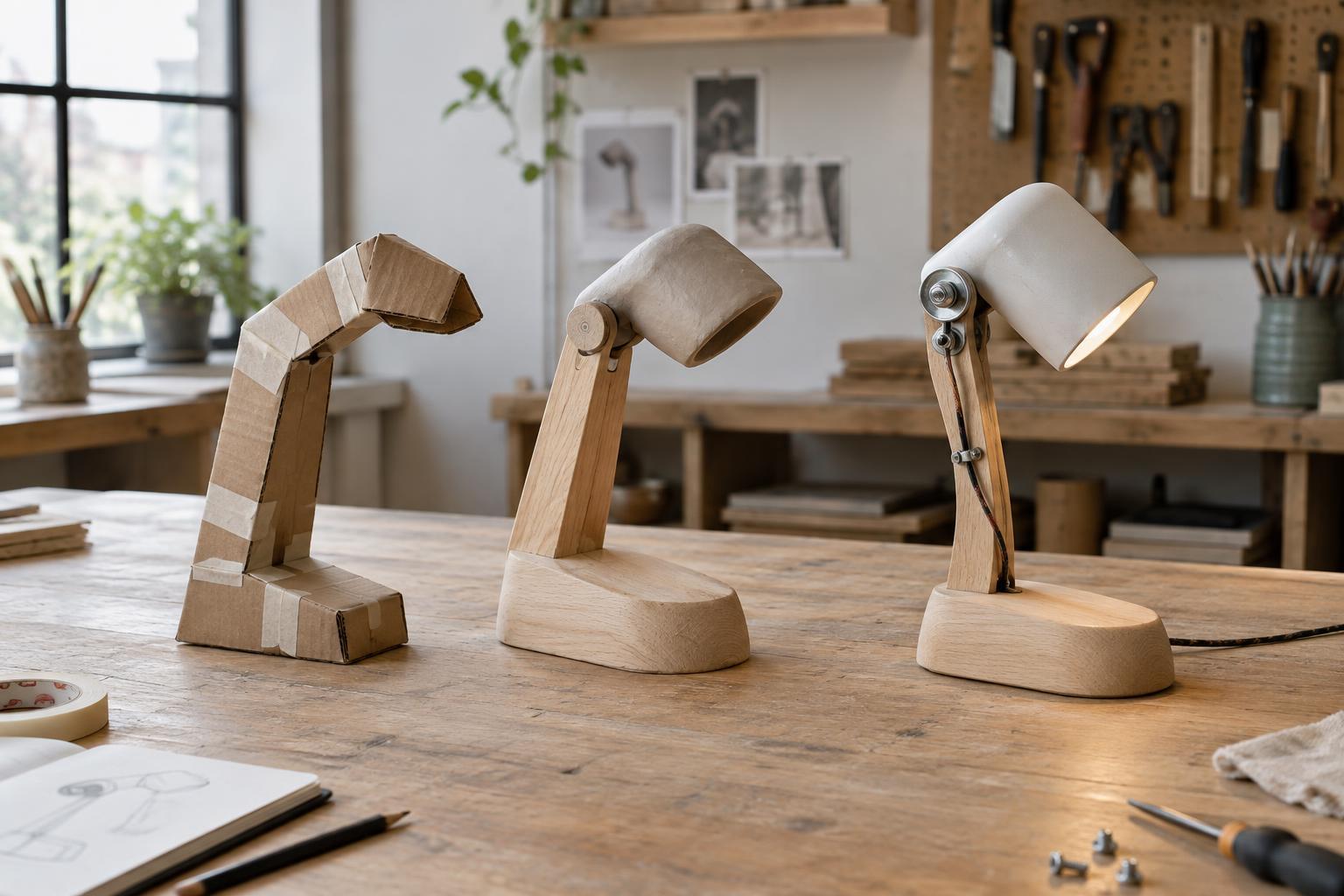
Simple full-scale mockups are useful at this stage. Cardboard, foam, or rough workshop assemblies can show whether a handle sits where a hand naturally arrives or whether a control needs to move. Put the mockup in a realistic setting rather than testing it only on an empty table. Nearby walls, shelves, fixtures, and other tools may limit approach angles. Observe attempts without immediately explaining how the product is supposed to work; hesitation can be valuable design feedback.
Make grip dependable without demanding extra force
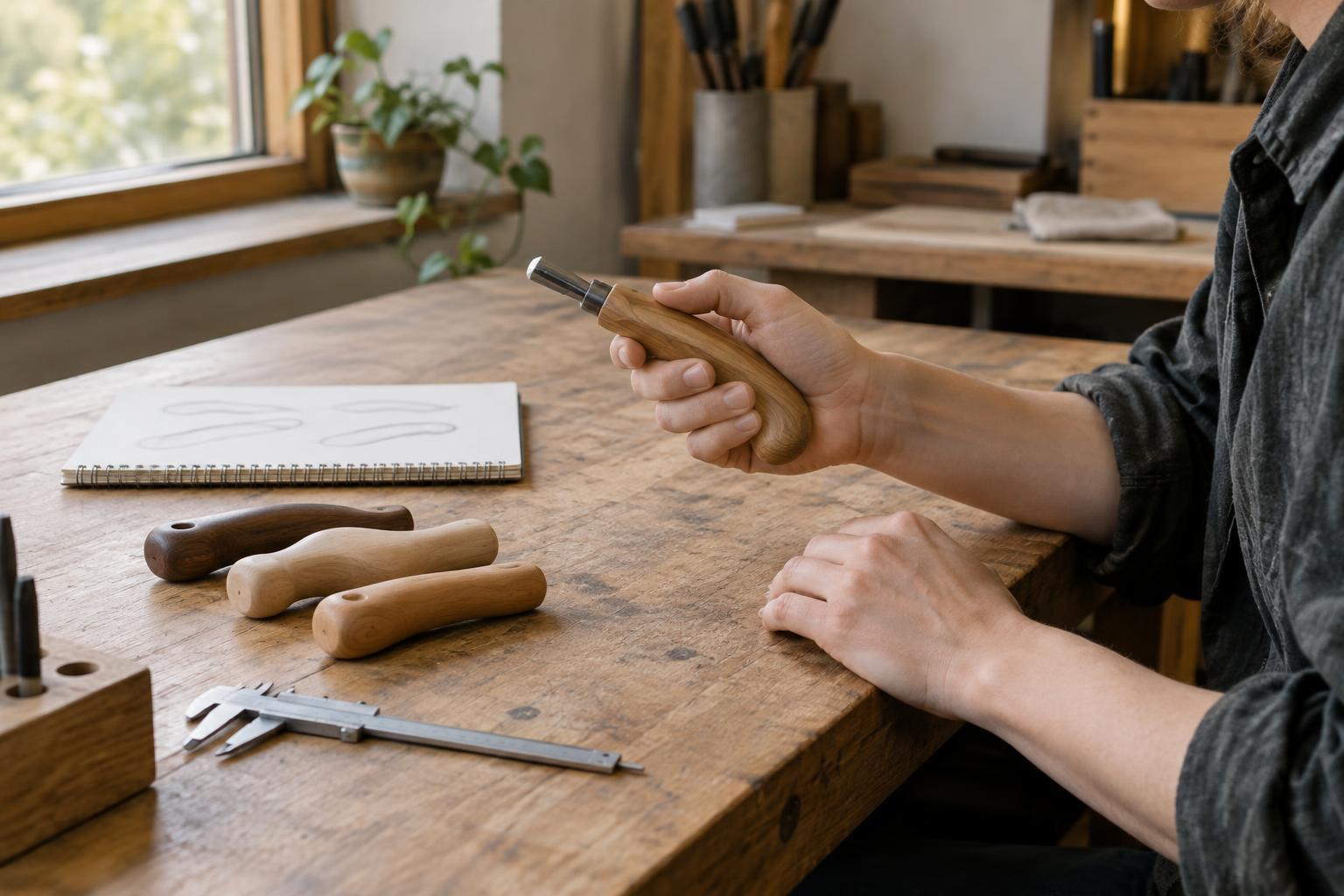
A secure grip depends on more than adding texture. Shape, thickness, orientation, balance, and surface finish all influence how confidently a person can hold an object. Sharp transitions may press into the hand, while a smooth surface may become difficult to control when damp or dusty. Texture can help, but aggressive patterns may be uncomfortable during prolonged use or difficult to clean.
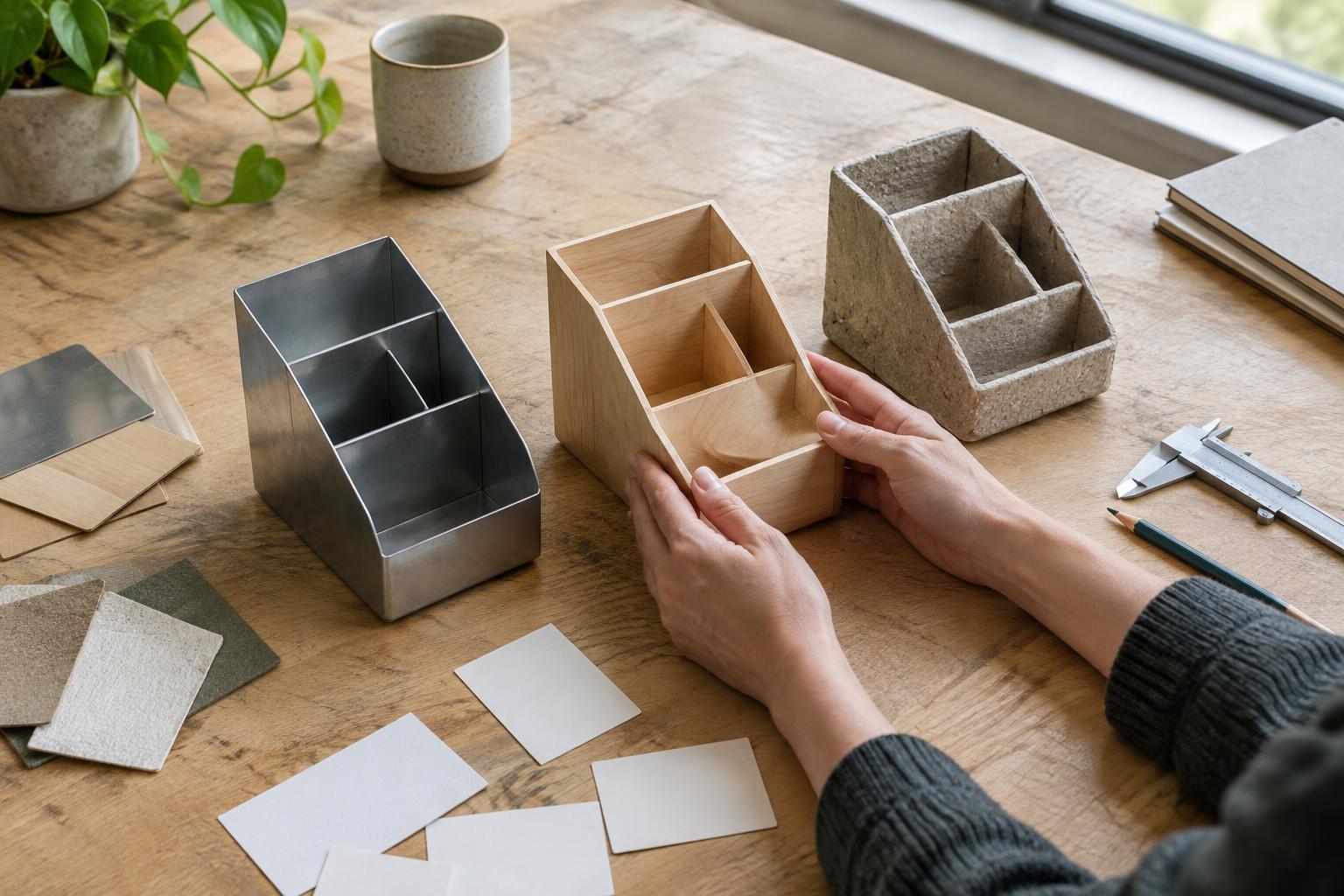
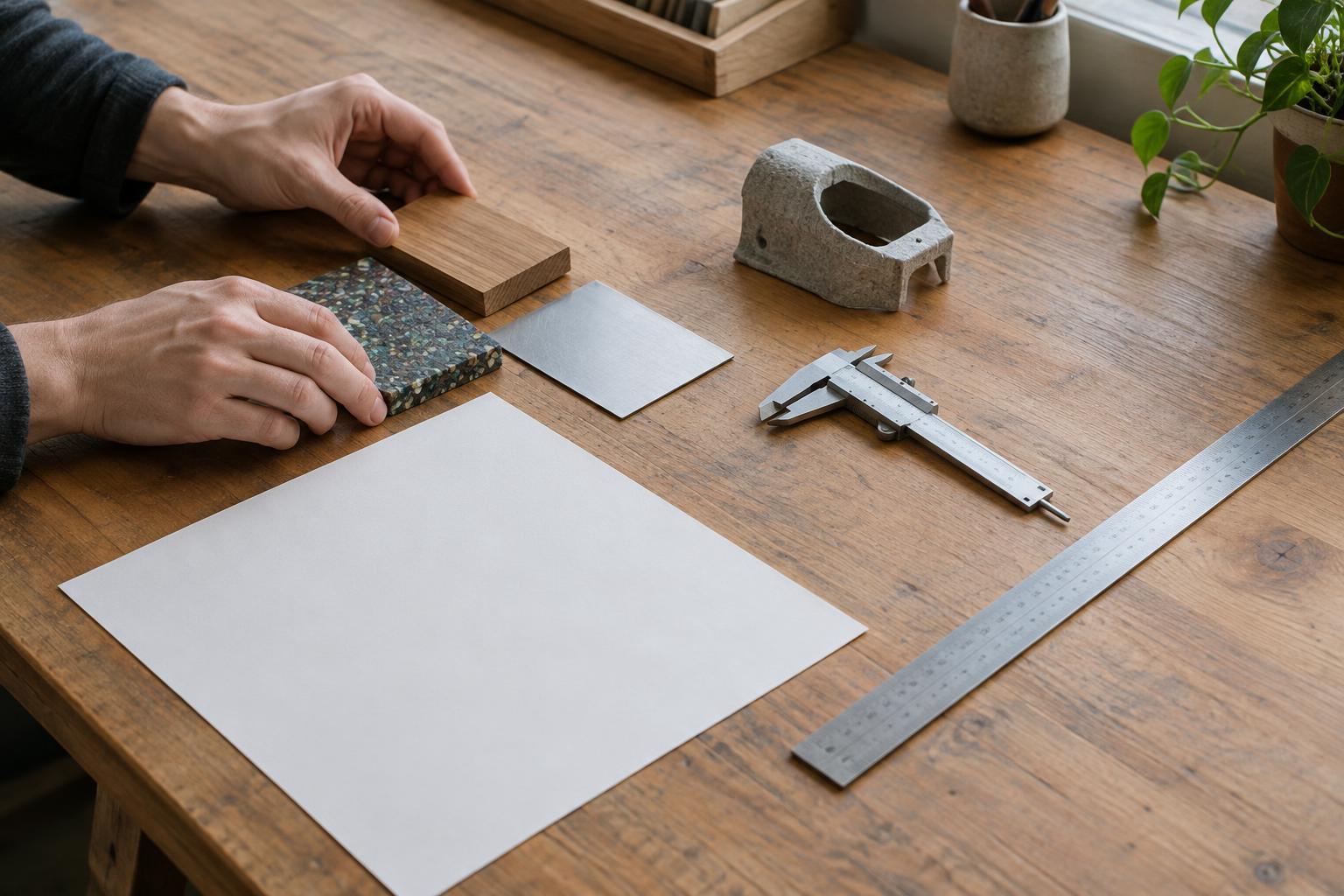
Consider the forces involved in the task. A handle that works well for lifting straight upward may be less suitable for twisting, pushing, or guiding a precise movement. If a user must squeeze hard simply to keep the product from slipping, a change in shape or balance may be more effective than a stronger-looking grip pattern. Prototype with materials that approximate the intended stiffness and finish where possible: a soft foam model can answer questions about size, but not every question about pressure or control.
Evaluate repeated use before fixing the design
A motion that feels acceptable once can become frustrating when repeated. Look for small burdens that accumulate: repeated wrist rotation, unnecessary repositioning, a control that needs careful aim, or a closure that requires two hands when one is usually occupied. Testing should reflect a plausible work rhythm, including setup, use, cleaning, and storage. Ask users what they adjusted or avoided, as well as what felt comfortable.
Ergonomic improvements also have production consequences. A revised handle profile may affect tooling, material use, assembly, or repairability. Bring designers and makers into the same review so that a promising shape can be evaluated for consistent manufacture and practical maintenance. Keep a record of the task observed, the problem found, the change made, and what happened in the next test. The goal is not a universal claim of comfort; it is a product whose intended users can understand, handle, and use with less unnecessary effort.