Start with the job, not the feature
Product development often begins with a sentence that sounds clear until someone tries to design from it: “The handle should be comfortable,” or “The case must be durable.” These statements point to genuine needs, but they leave important questions open. Comfortable for whom, during which task and for how long? Durable against which kind of wear? A specification becomes useful when it turns those questions into decisions that designers, makers and testers can share.
Begin by describing what the user is trying to do and the conditions under which they do it. For a hand-carried tool case, the need might be to carry the loaded case between work areas without the grip slipping or creating an uncomfortable pressure point. This describes the job without deciding in advance that the answer must be a rubber sleeve, a wider handle or a different case shape. Keeping the need separate from a proposed solution leaves room to compare designs.
Translate the need into an observable requirement
A requirement states what the product must do, rather than merely expressing a preference. It should identify the feature or behavior, the conditions that matter and an observable way to judge the result. “The handle must be strong” is difficult to test consistently. “The assembled handle must remain attached and functional after supporting the specified maximum case load during a defined lifting test” gives the team a clearer starting point. The load and test procedure still need to be set for the intended product; inventing a number before the use case is understood would create false precision.
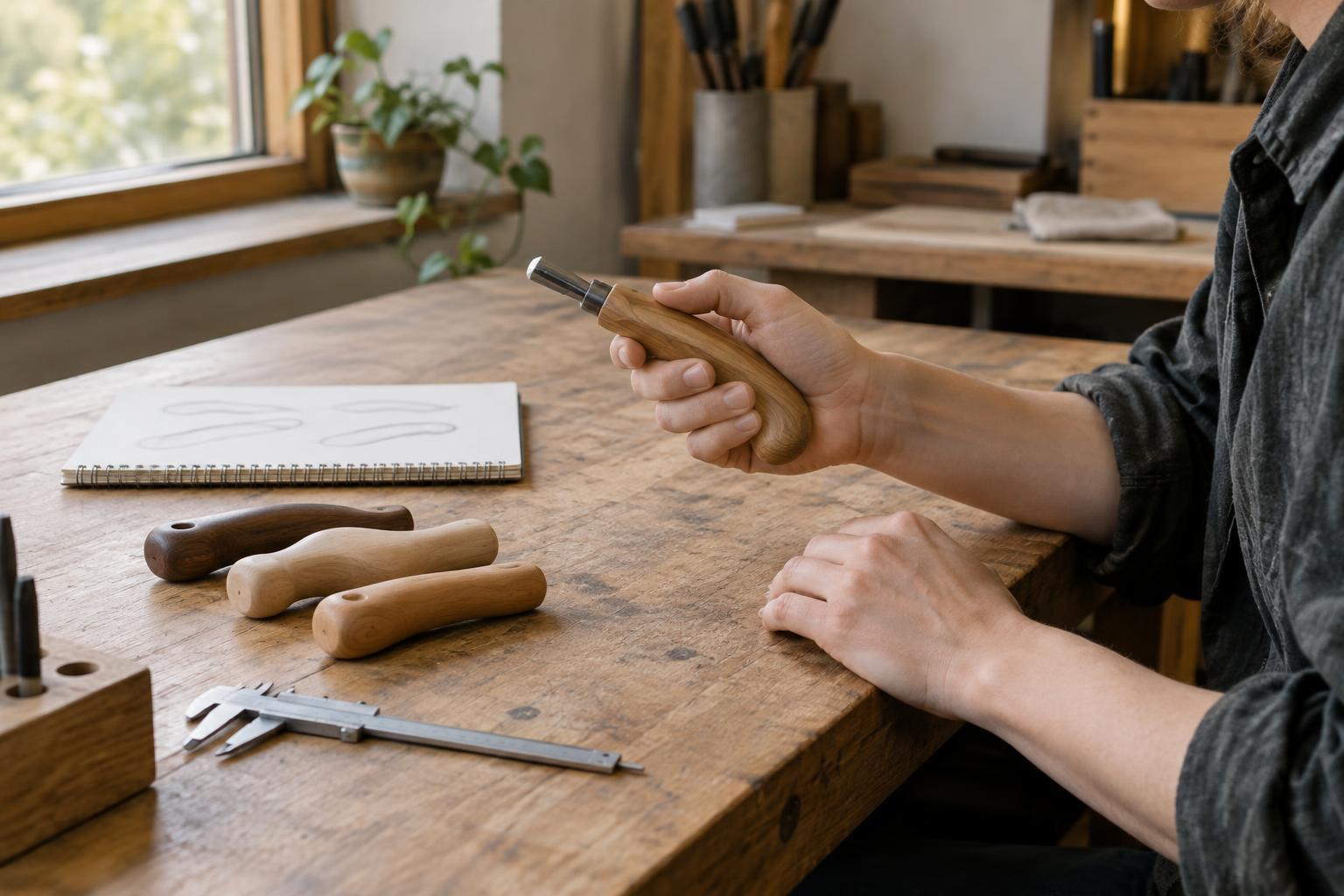
Separate requirements that are easy to confuse. A handle can remain attached yet feel awkward, or feel pleasant while being hard to grip with gloves. Strength, grip and hand clearance may therefore need distinct requirements and checks. Some outcomes can be measured with instruments, while others call for a documented evaluation with representative users. A subjective need is not automatically untestable, but the evaluation method should be agreed before results are interpreted.
Define the boundaries of the test
The words surrounding a requirement often matter as much as its main verb. “Opens easily” may mean one thing on a clean prototype and another after repeated use in a dusty workshop. Specify the product state, expected load, relevant environment and user interaction where these affect performance. Also decide what counts as a pass: must the latch open on the first attempt, remain usable after a series of cycles, or meet an agreed force limit?
Not every detail belongs in every requirement. Include a condition because it changes the design decision or the way the result will be judged, not simply to make the sentence longer. If a test depends on a particular fixture, sample preparation or sequence, put those details in an accompanying test method. The requirement can then state the outcome while the method explains how to verify it. Both documents should use the same terms so that “closed,” “loaded” and “functional” do not acquire different meanings at the bench and in a design review.
Keep requirements independent and traceable
A single sentence that demands a case be light, rigid, inexpensive and easy to repair hides several possible trade-offs. Write separate requirements for mass, structural performance and service access, then record which user need each one serves. This makes it easier to see whether a proposed material or construction method improves one outcome while weakening another. It also helps prevent a convenient design detail from being mistaken for a user requirement.
A simple requirements record can include an identifier, the requirement, its reason, a proposed verification method and its status. Mark unresolved values openly rather than burying guesses in a polished specification. For example, a team may know that the case must fit a storage shelf but still need to confirm the shelf opening. That is a question to resolve, not an invitation to specify dimensions from memory.
Use prototypes to improve the specification
Early specifications are working tools, not promises that every assumption is correct. A rough mock-up can reveal that users lift a case from the side rather than from the top, changing which clearances and grip positions matter. A production-minded prototype may show that an otherwise attractive joint is difficult to assemble consistently. In either case, update the requirement or test method deliberately and record why it changed.
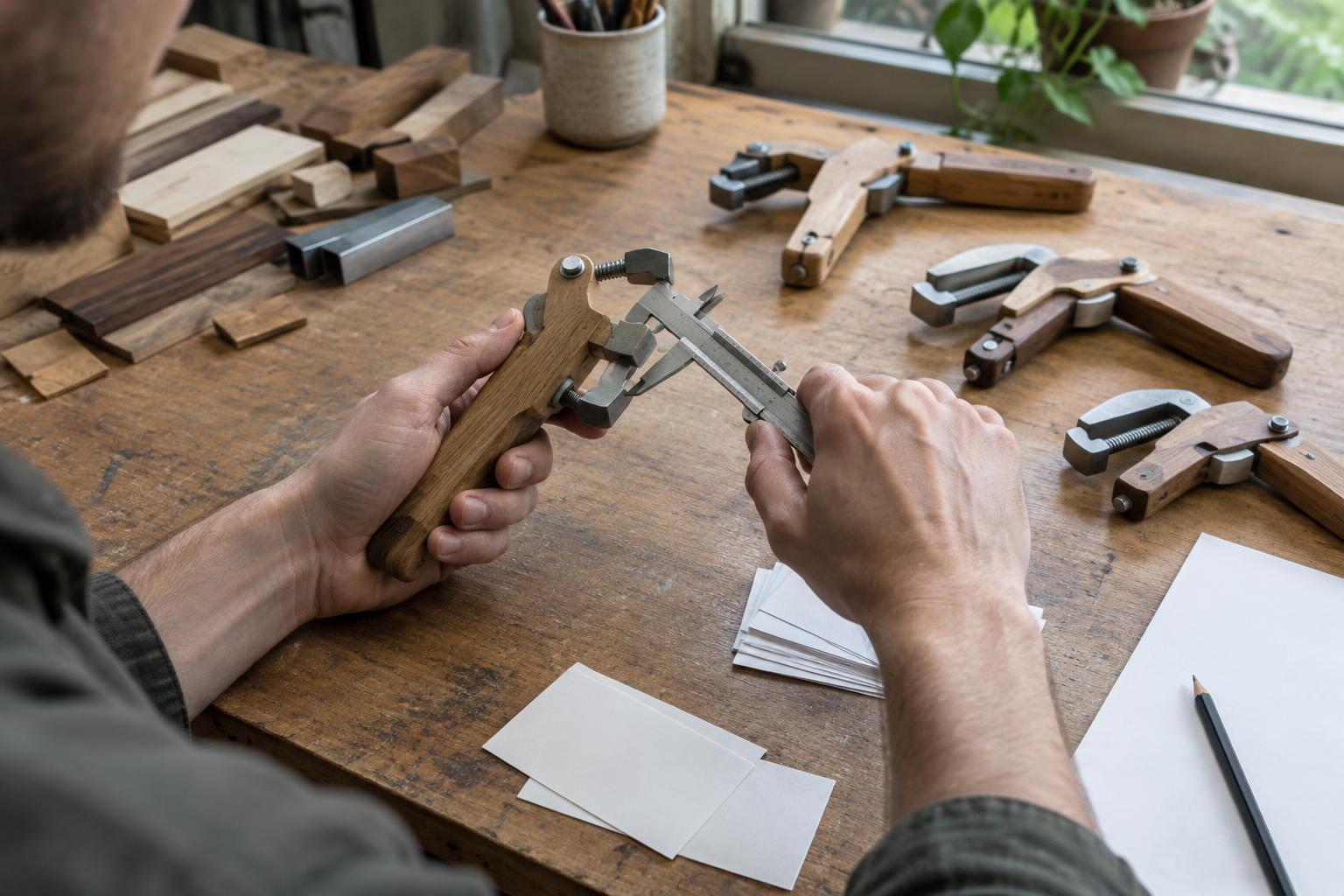
Before releasing a specification for further design or production planning, ask a practical question: could two people test the same product against this requirement and reach the same conclusion? If not, clarify the condition, outcome or method. The goal is not to eliminate every judgment from product development. It is to make important judgments visible, repeatable where possible and connected to the people who will use the finished object.