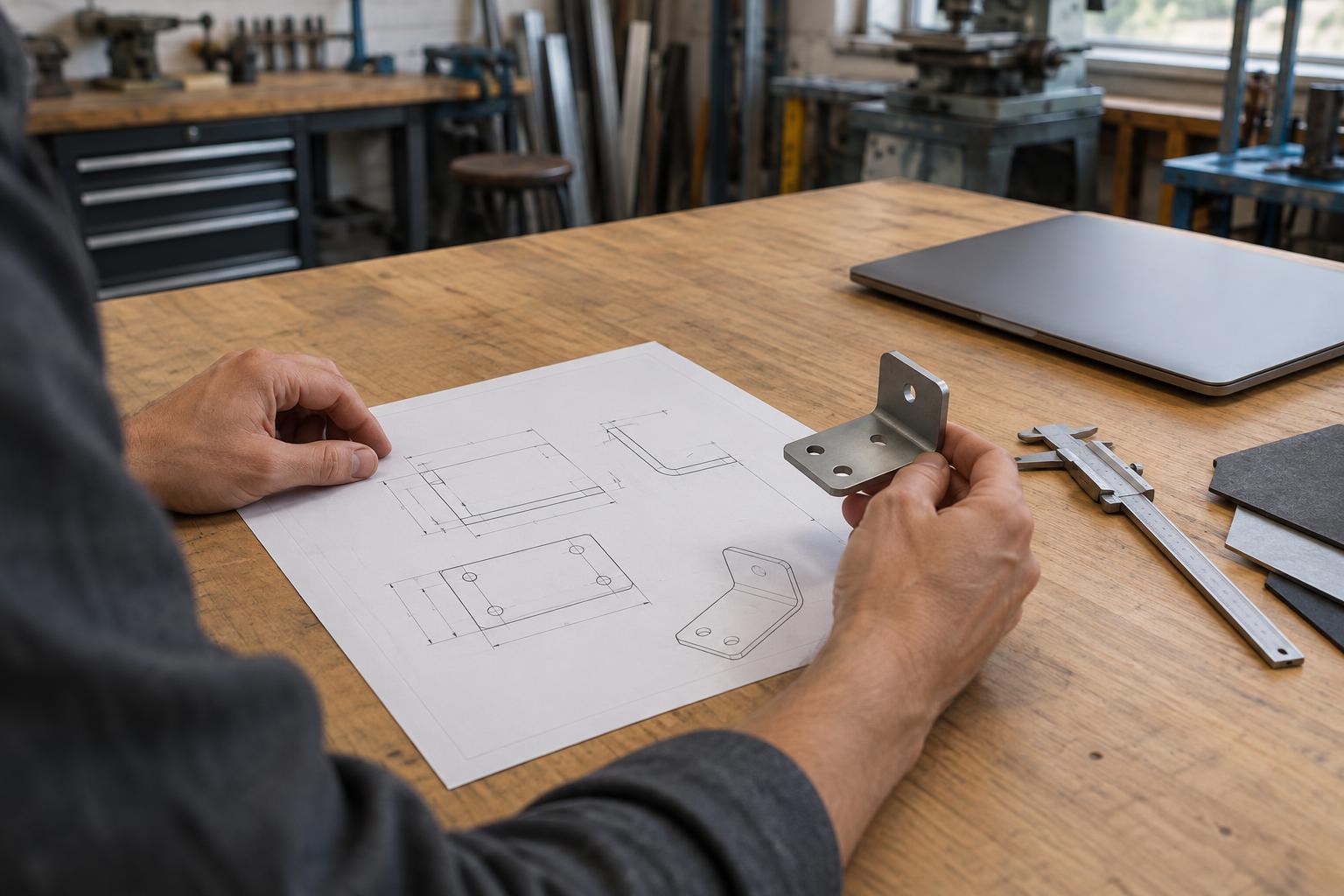
Start with the product’s real job
A product can pass a neat workshop test and still disappoint in everyday use. A handle may feel comfortable for a minute but awkward during a long task. A closure may work on a clean bench but become difficult to operate with dusty hands. Testing is most useful when it reflects the work people expect the product to do, not only the conditions that are easiest to reproduce.
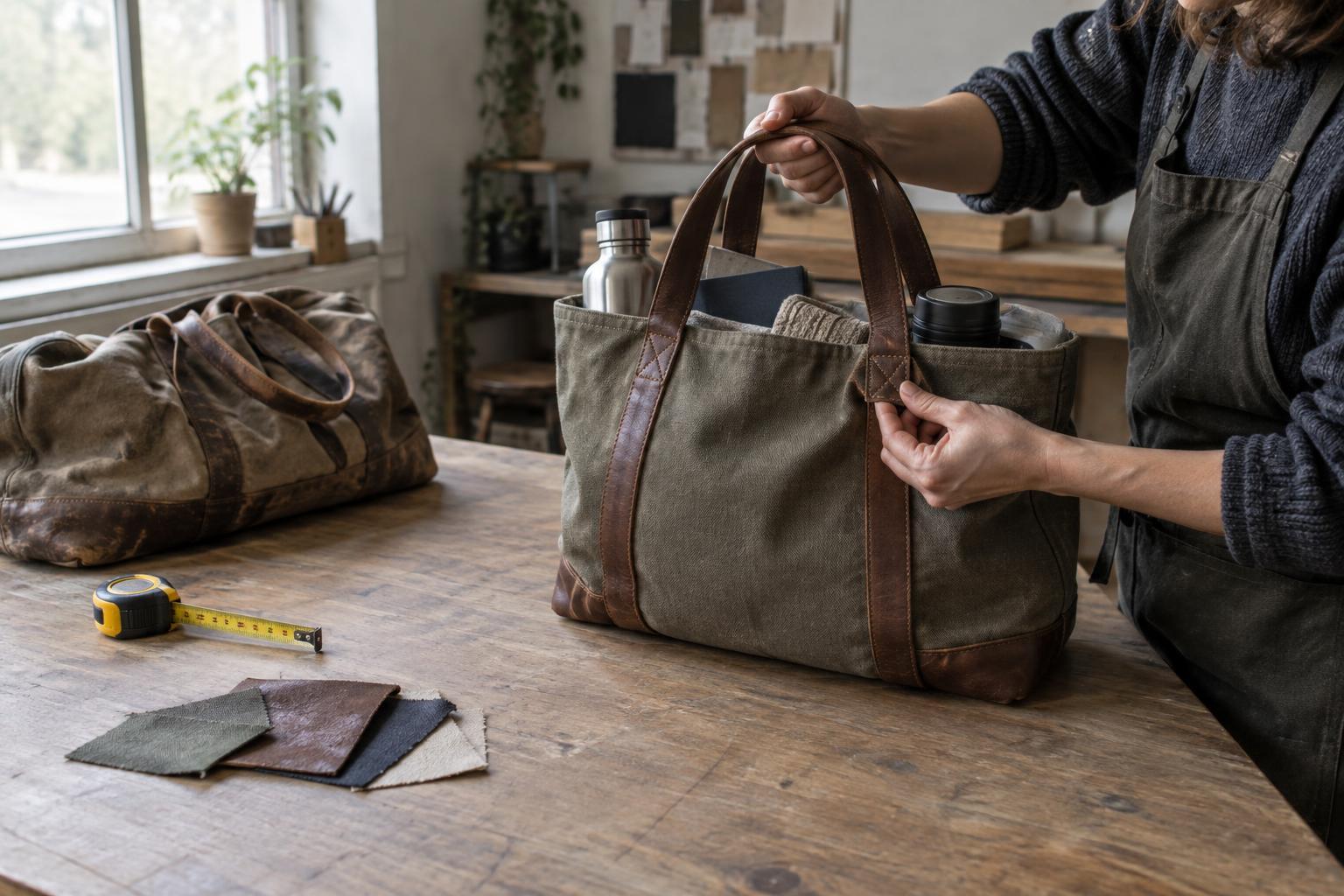
Begin by describing that work in ordinary language. Who uses the product, what are they trying to accomplish, and what happens before and after they use it? Note how it is carried, assembled, cleaned, stored and maintained. Include occasional but foreseeable tasks, such as replacing a worn part. This gives the team a shared picture of use before anyone chooses a test method.
Map conditions and choose priorities
List the conditions that could change performance. Depending on the product, these might include repeated handling, moisture, temperature changes, vibration, dirt, uneven surfaces or limited space. Consider variation between users as well: hand size, reach, experience and the amount of force someone can comfortably apply. The aim is not to imagine every possible circumstance, but to identify conditions that are plausible for the intended use.
Then decide which conditions deserve early attention. Ask what would make the product unusable, unsafe to handle, difficult to repair or likely to wear sooner than intended. Separate normal use from foreseeable misuse so the team does not confuse the two. A simple table linking each condition to a potential failure and its consequence can help focus limited testing time. Record assumptions that need checking rather than treating them as established facts.
Turn use into observable tests
Give each test a clear question. Instead of “Is the latch durable?”, ask whether it remains easy to open after repeated cycles in the presence of the dust it is likely to encounter. Define the task, the setup and what the tester will observe. Useful observations may include effort, fit, wear, looseness, noise, cleaning difficulty or a user’s need to change grip. Decide in advance what outcome would prompt a design change.
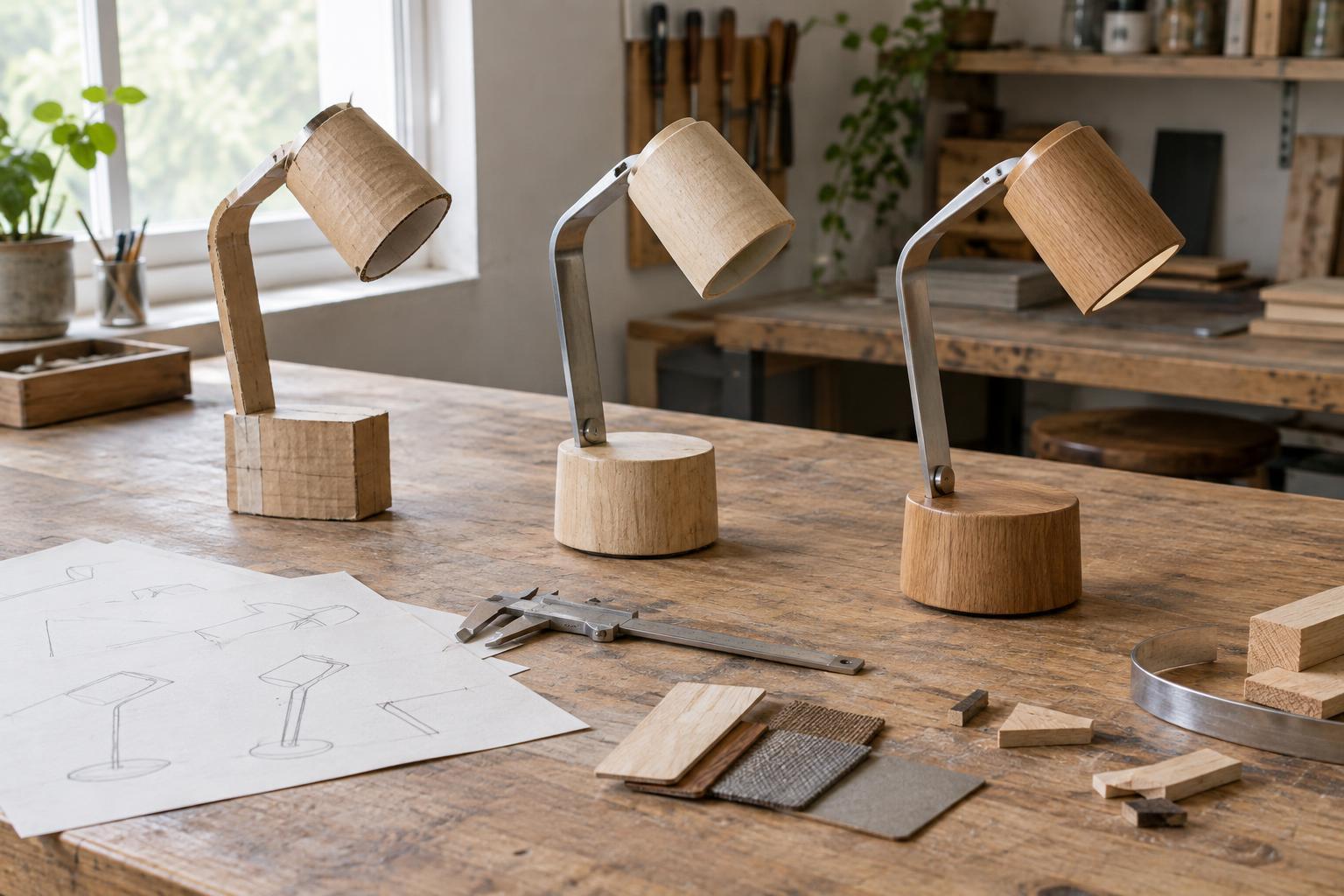
Use a mix of controlled and realistic tests. A controlled test can isolate one factor, making it easier to compare materials or mechanisms. A realistic task can reveal interactions that isolated checks miss, such as a glove catching on a fastener while the user reaches around an obstruction. Early prototypes can answer questions about shape and access; later samples made with intended materials and processes are better suited to questions about wear and consistency. Keep the limits of each prototype in mind when interpreting results.
Watch what happens, not just whether it passes
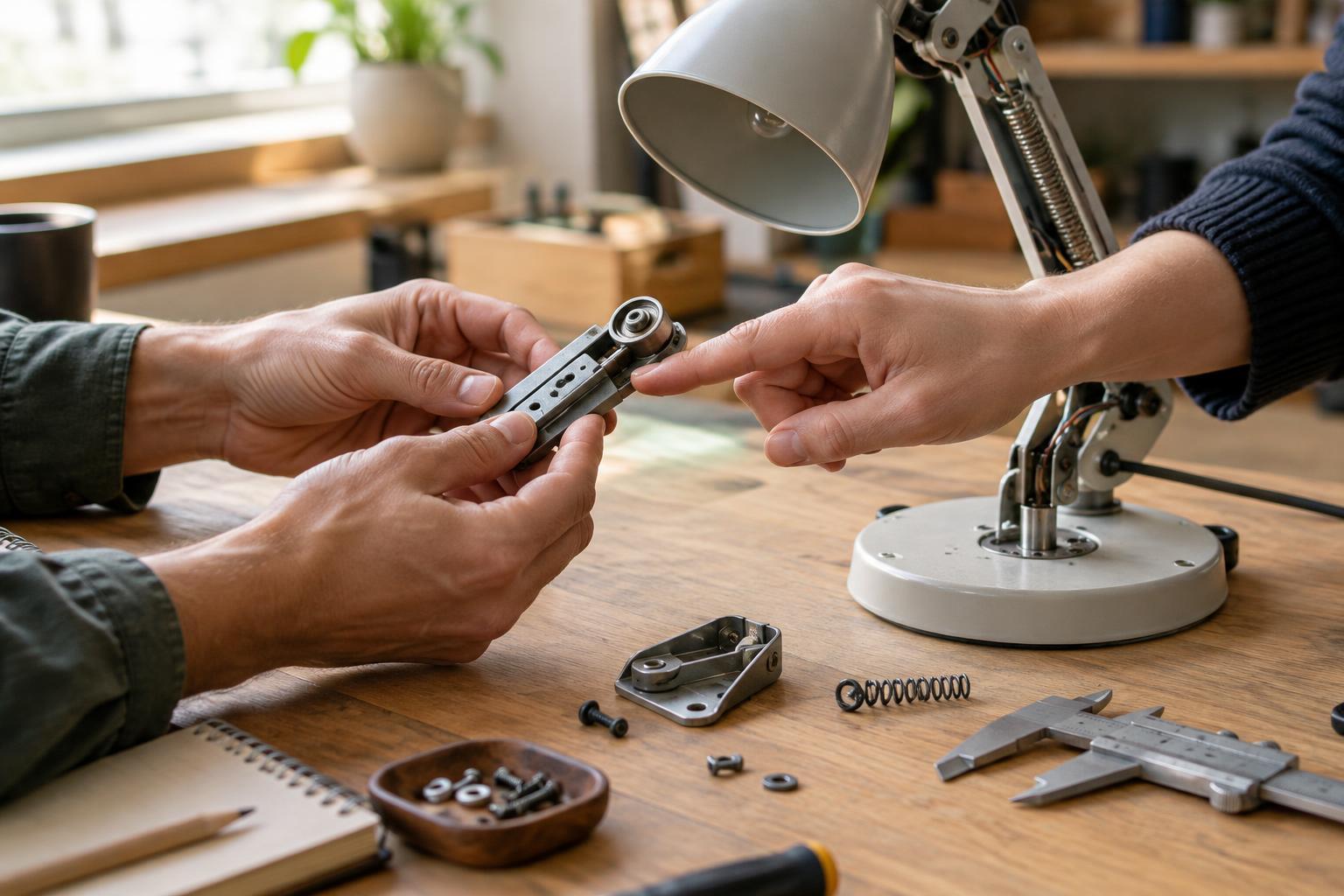
A pass-or-fail result rarely tells the whole story. Observe where people hesitate, adjust their grip, apply extra force or work around a feature. Invite them to complete a task without coaching first, then ask what felt easy or difficult. Their comments provide context, while their actions show what happened in that setting. Neither should be taken as proof that every user will behave the same way.
Document the conditions alongside the results. Record which version was tested, how it was made, the task performed and any relevant changes in the setup. Photographs or brief notes can make a wear pattern or awkward motion easier to discuss later. If a test produces an unexpected result, repeat it where practical and check whether the cause lies in the design, the sample or the setup. This prevents a single observation from becoming a premature conclusion.
Use the findings to make the next decision
Product testing should guide choices, not merely confirm that a prototype is finished. Group findings by their effect on use: a failure that stops the task calls for a different response from a cosmetic mark or a minor preference. Look for changes that address the cause without creating a new problem elsewhere. Enlarging a grip, for example, may improve handling but affect storage, material use or access to nearby components.
After a change, test the affected task again and check adjacent tasks that the change might influence. Keep a concise record of what was changed, why and what remains uncertain. If a condition cannot be recreated convincingly in the workshop, acknowledge that limit and plan a suitable trial in the intended setting. The goal is not to claim that every situation has been covered. It is to make design decisions with a clear understanding of the conditions tested and the questions still open.