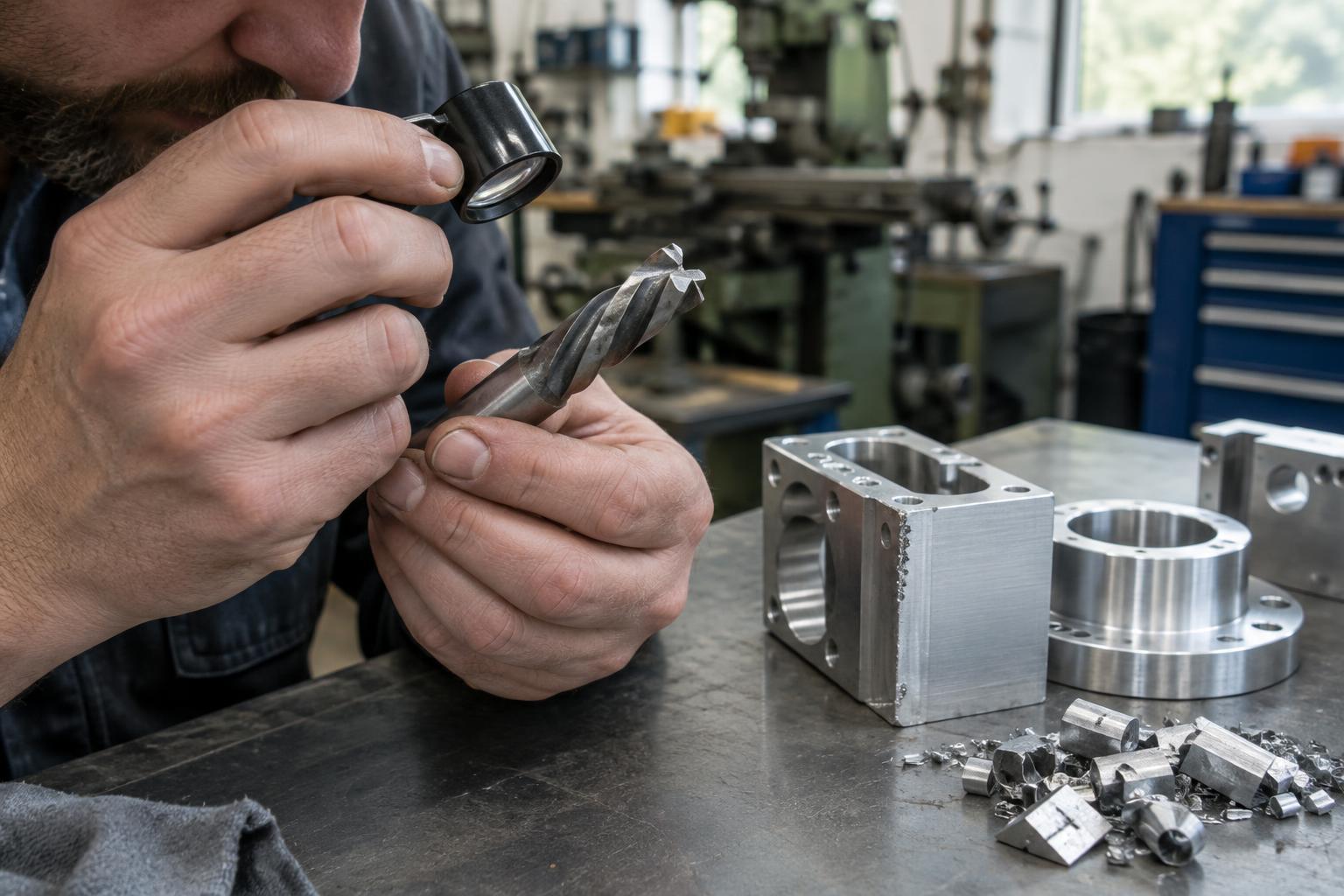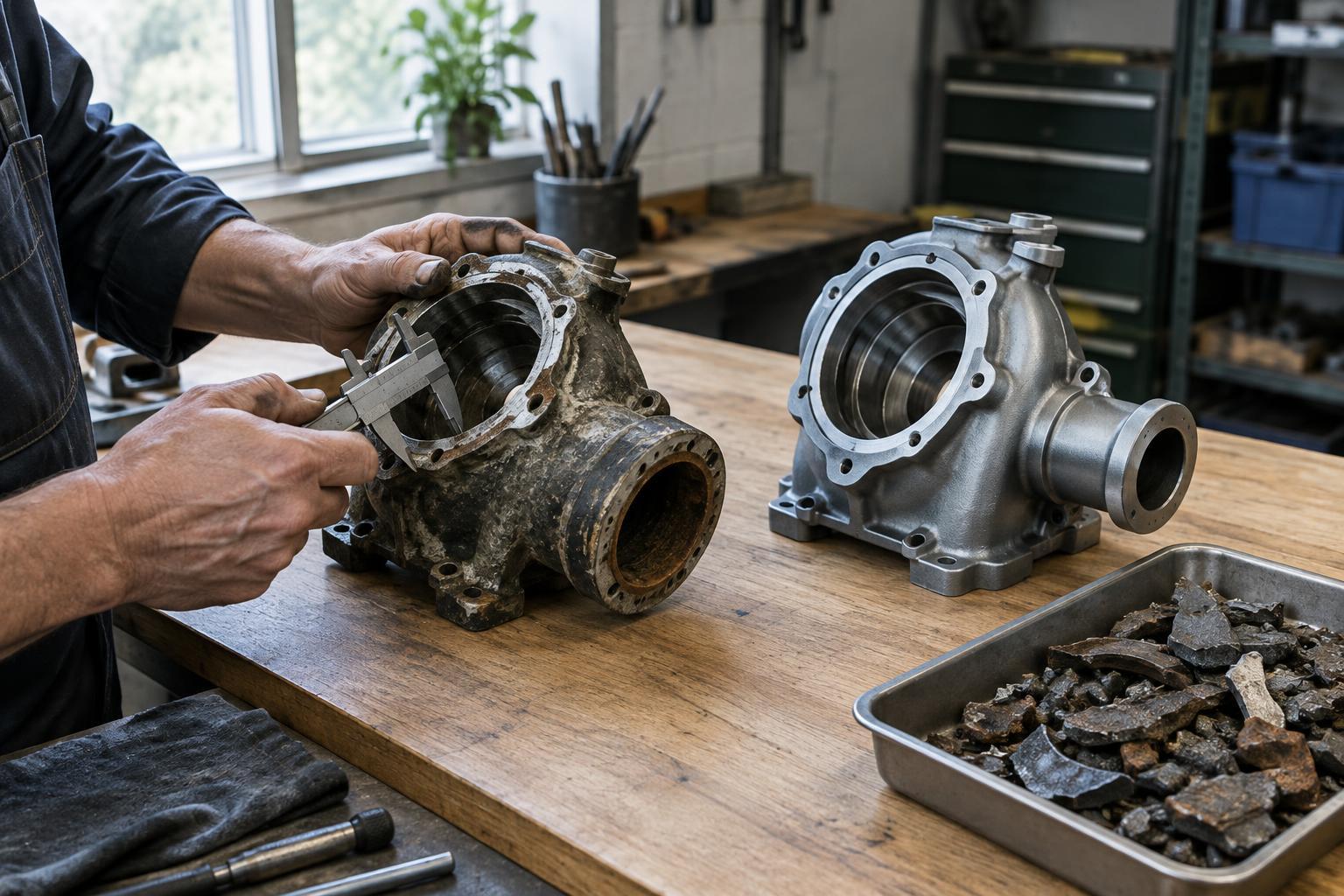
Two routes that recover different kinds of value
Remanufacturing aims to return a used component to a defined working condition through a controlled process. That process may include disassembly, cleaning, inspection, replacement of worn parts, reassembly and testing. Recycling takes a different route: it processes an item so its constituent materials can be used again. A remanufactured metal housing remains a housing; a recycled one becomes feedstock for another manufacturing process.
Neither route is inherently right for every part. Remanufacturing can preserve the work already invested in shaping a component, while recycling can recover useful material from an item that cannot reliably serve its original purpose. Repair and refurbishment are related options, but they may involve less extensive work or different performance targets. Clear terms matter when deciding what will be done and what condition the resulting product must meet.
Start with condition and required performance
The first question is whether the used component can be assessed with enough confidence. Look for wear, corrosion, distortion, cracks, missing features and signs of earlier modification. Consider whether critical dimensions can be measured and whether hidden damage can be detected by the available inspection methods. A part that looks sound from the outside may still be a poor remanufacturing candidate if its most important failure modes cannot be checked.
Next, define the performance the component must deliver in its next use. A removable cover and a heavily loaded rotating part present different inspection and testing challenges. Remanufacturing is most credible when the workshop has a repeatable process, suitable replacement parts and a way to verify the finished component against a stated specification. If reliable verification is impractical, material recovery may be the more responsible choice.
A sorting stage helps prevent good candidates from being discarded alongside unsuitable ones. It can also keep damaged or contaminated parts out of a remanufacturing workflow before time is spent on disassembly.
Compare the work with the material saved
The resource case depends on more than the component’s mass. Remanufacturing may require transport, cleaning agents, replacement parts, machining and testing. Recycling may require collection, separation, transport and material processing, followed by manufacturing a new component. The practical comparison is between complete routes, not simply between keeping an old part and melting it down.
Consider how much of the original component can actually be retained. A robust body that needs only a few replaceable wear items may be a strong remanufacturing candidate. If most of the part must be cut away, remade or replaced, the advantage may narrow. Material composition matters too: a well-identified, separable metal may be comparatively straightforward to direct toward an appropriate recycling stream, while bonded layers or unknown coatings can complicate recovery.
Small trials can expose work that estimates miss. Record the share of incoming parts that pass inspection, the steps needed for each accepted part and the residues left over. Even a simple record makes future routing decisions more consistent.
Collection and workshop organization affect the choice
A technically remanufacturable component still needs a workable return path. Parts that arrive mixed, damaged in transit or stripped of identification take longer to assess. Collection points can preserve value by keeping part types separate, protecting vulnerable surfaces and recording model or material information where it is known. That information should travel with the item rather than depend on someone recognizing it later.
Inside the workshop, establish distinct areas for incoming assessment, accepted cores, rejected items and finished components. A core is the used part intended for remanufacturing. Separating these flows reduces confusion about whether an item has been tested and prevents rejected parts from re-entering production by mistake. Rejected cores may still contain recyclable materials, so rejection need not mean disposal of the whole item.
The best route can also depend on volume. A dedicated remanufacturing process is easier to organize when enough similar components return regularly. For occasional, varied parts, inspection and setup may demand disproportionate effort.
Design future components for more than one end-of-use option
Product design can keep both routes open. Accessible fasteners, replaceable wear surfaces and markings that survive use can make inspection and disassembly easier. Clear material identification and separable material groups can help recycling when a part has reached the end of its serviceable life. These choices do not guarantee recovery, but they reduce avoidable obstacles.
For an existing component, use a simple decision sequence: identify it, inspect it, define the performance required, estimate the work needed to verify and restore it, and then compare that route with available material recovery. Record why a batch was remanufactured or recycled. The aim is not to force every used part into one preferred category; it is to preserve useful function where it can be demonstrated and recover material where it cannot.