Why half-finished work accumulates
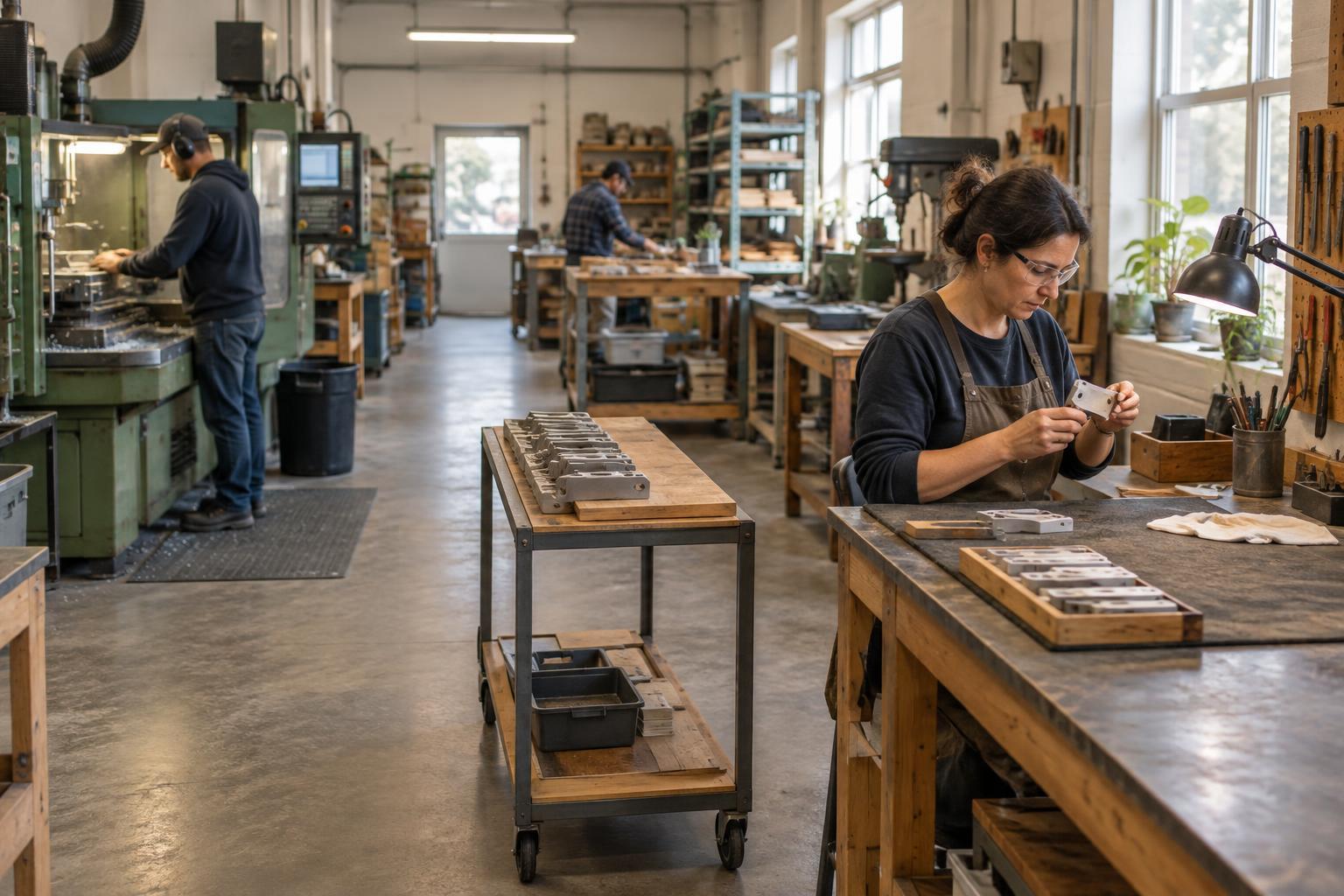
A job may leave the cutting bench and wait beside an assembly table. Another may need a missing component, a decision about its finish or a turn on a shared machine. Each pause seems small, but the paused jobs still occupy racks, carts and attention. Before long, finding the next piece of work takes time, and moving material safely becomes harder.
Starting another job can feel productive when a station is idle. Yet if downstream steps cannot accept more material, the new start adds to the queue rather than bringing a finished product closer to dispatch. A work-in-progress, or WIP, limit sets a cap on jobs that have begun but are not complete. Its purpose is not to keep every person busy every moment. It is to make the flow of work manageable and to expose the reasons jobs are waiting.
Decide what the limit counts
A useful limit begins with a clear unit. In a workshop making varied items, counting individual parts may be misleading: one cabinet and one small fitting do not require the same space or effort. Counting job orders, batches or occupied carts may make more sense. The unit should be simple enough that anyone can look at the floor or a job board and know whether there is room to start something new.
Define the boundaries as carefully as the unit. Does a job count once material is cut, once a traveler is released or when it enters a particular station? When does it leave the count? Jobs awaiting inspection, rework or packaging are still unfinished and generally need visible places in the system. If they disappear from the count while remaining on the floor, the limit will not describe the space or capacity the team actually has.
Start with a visible, adjustable cap
There is no universal number of active jobs for every workshop. A starting limit can reflect available staging space, the capacity of a constrained station and the amount of work the team can track without confusion. Marked rack positions or spaces on a board make the cap tangible. A small shop may need one workshop-wide limit; a shop with distinct cutting, assembly and finishing areas may benefit from separate limits between those steps.
Treat the first number as a test, not a permanent target. If people regularly run out of ready work, the limit may be too tight, or work may not be prepared before release. If every space remains full and jobs wait for long periods, simply raising the cap may conceal a bottleneck. Look at what is waiting, where it is waiting and why. The answer may be a missing drawing, a setup decision, a quality issue or uneven demand on a shared tool.
Make the start rule useful in daily work
A limit matters only when it changes what happens next. When the active-work spaces are full, the default should be to finish, inspect or unblock an existing job before releasing another. A short daily review can identify the oldest waiting job, its next required action and the person who can resolve it. This turns a visible queue into a practical conversation rather than a display of overdue tasks.
Some work will need exceptions, such as an urgent repair or a job that must move while a finishing process cures. Make those exceptions explicit and temporary. Record what has been displaced so an urgent job does not quietly create several forgotten ones. It also helps to distinguish a deliberate buffer, held for a known process reason, from material left wherever space happened to be available.
Keep the floor and the information aligned
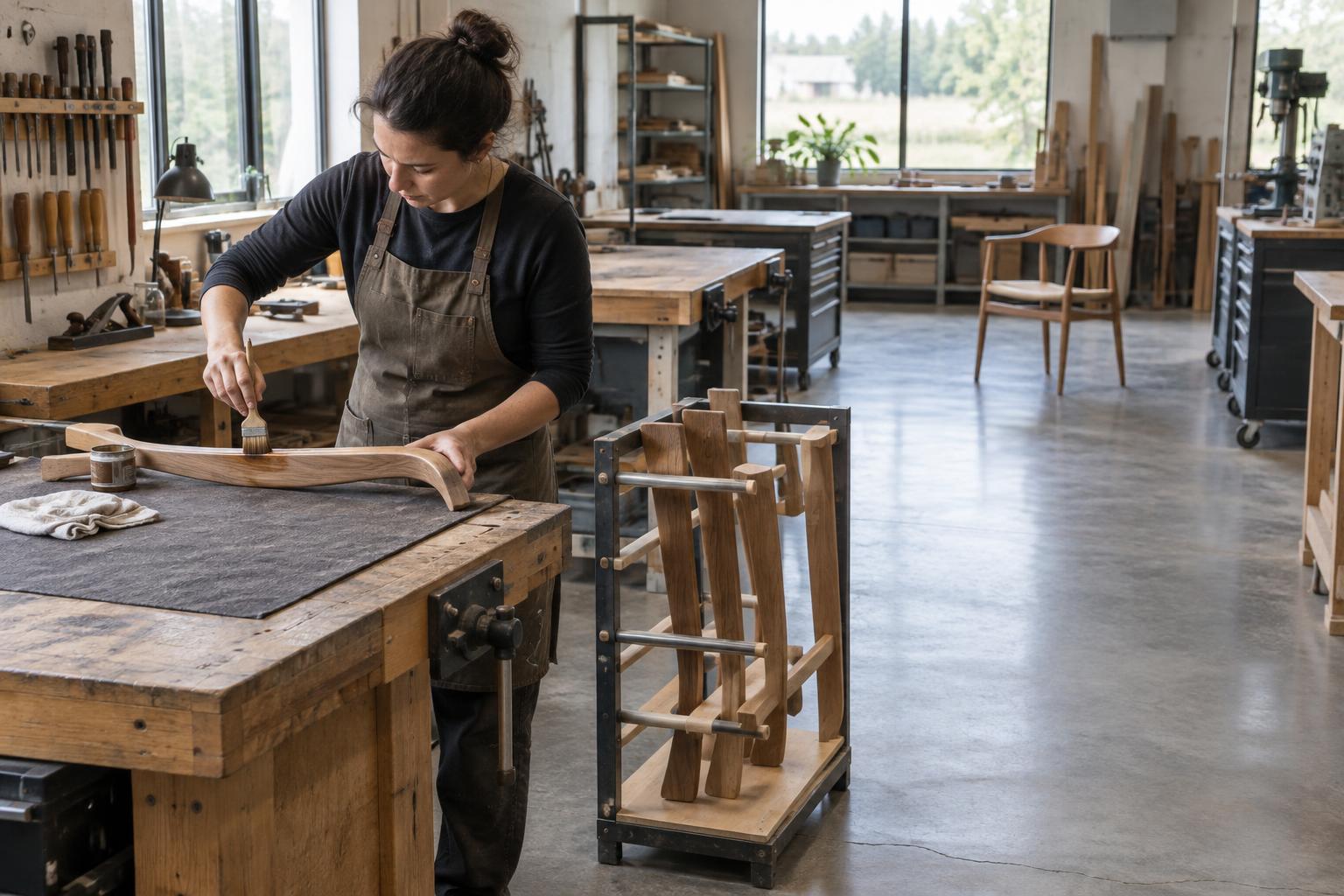
A job board is only useful when it matches the physical workshop. Give each active job a defined location and a clear status, such as ready, in process, waiting for input or ready for inspection. Keep components and job information together where practical, while storing large or delicate pieces in designated areas. Clear staging locations reduce the chance that a piece is moved repeatedly just to reach another one.
Review the limit when the mix of jobs, equipment or layout changes. Watch for fewer stranded pieces, clearer priorities and easier access to work areas, rather than treating a full board as proof of success. A good WIP limit is a working agreement: it gives unfinished jobs enough space and attention to move forward, while making it harder for new starts to bury the work already underway.