Start with the task, not the template
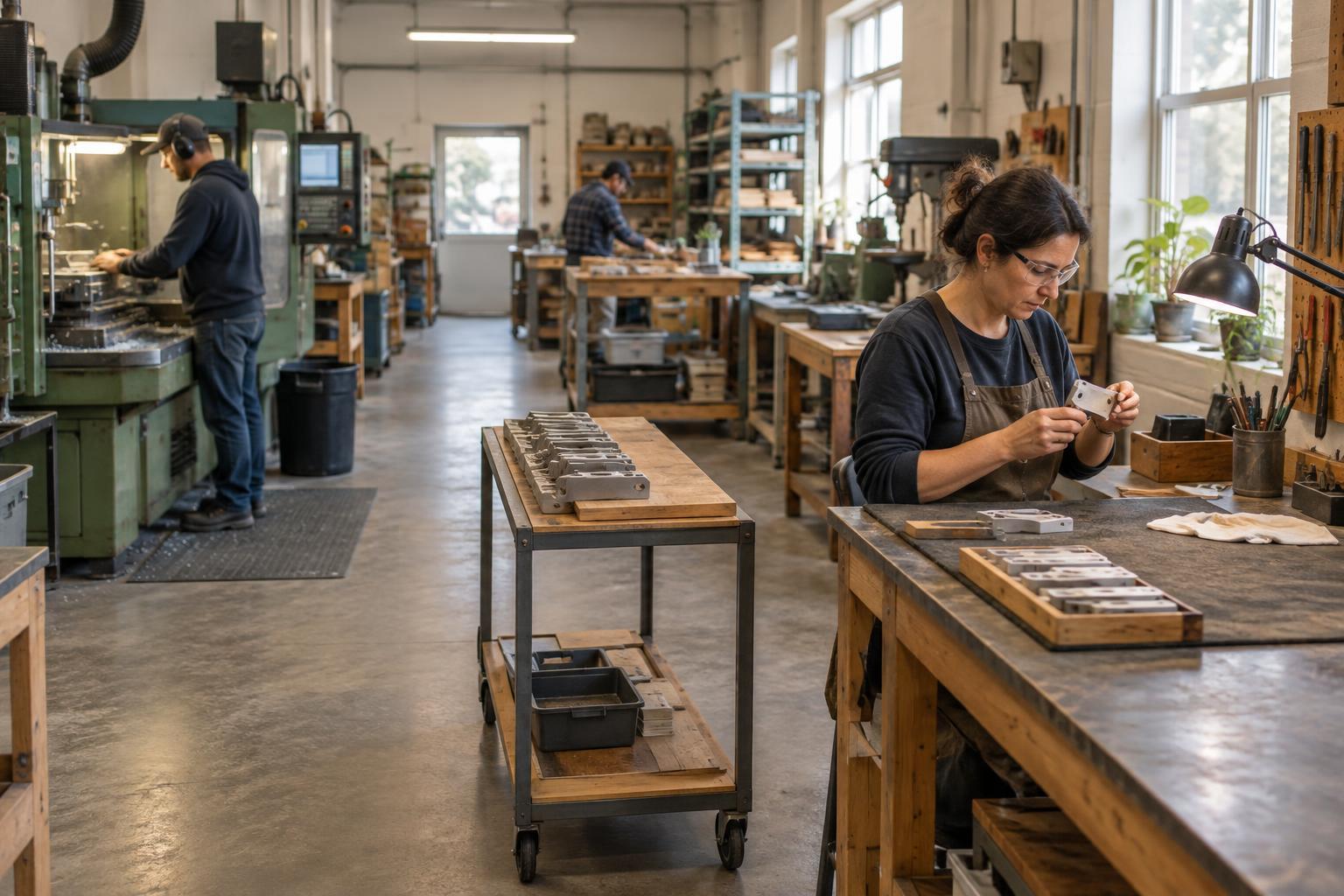
A work instruction should answer a practical question: what does a person need to know to complete this task correctly at this station? Before writing, observe the work from start to finish. Note the materials, tools, setup choices, handoffs and checks. Ask an experienced operator where mistakes or pauses tend to occur, and ask a newer operator what they would need explained. Those conversations can reveal details that a process outline misses.
Give the instruction a clear boundary. Identify where the task begins, what a completed part or batch looks like, and which related tasks are covered elsewhere. A single document that tries to explain an entire production line can be hard to use at the point of work. If a task branches by product variant, make the choice visible near the start rather than hiding it halfway through the steps.
Write actions in the order they happen
Use short, direct sentences built around observable actions. “Place the spacer against the left-hand stop” is more useful than “Ensure proper spacer positioning.” Name parts as they are labeled on the drawing, container or station. If a tool has several controls, identify the relevant one rather than assuming the reader knows which control you mean. Keep background explanation brief, but include the reason for a step when it helps prevent a likely error.
Separate actions from checks. For example, a step may tell the operator to seat a component, followed by a check that its edge is flush with a reference surface. Define what to do if the check fails: adjust it, set the item aside, or contact a designated person, as appropriate to the process. Do not write an instruction that asks operators to judge “good quality” without describing the feature they should inspect.
Make information easy to find at the station
An instruction is only useful if it can be read where the work happens. Use a legible type size, enough contrast and a layout that survives printing. Keep critical details close to the step they support, so readers do not have to search another page while holding a part. Numbered steps help people resume after an interruption. If the task requires a measurement or setting, leave enough space around the value to make it easy to spot.
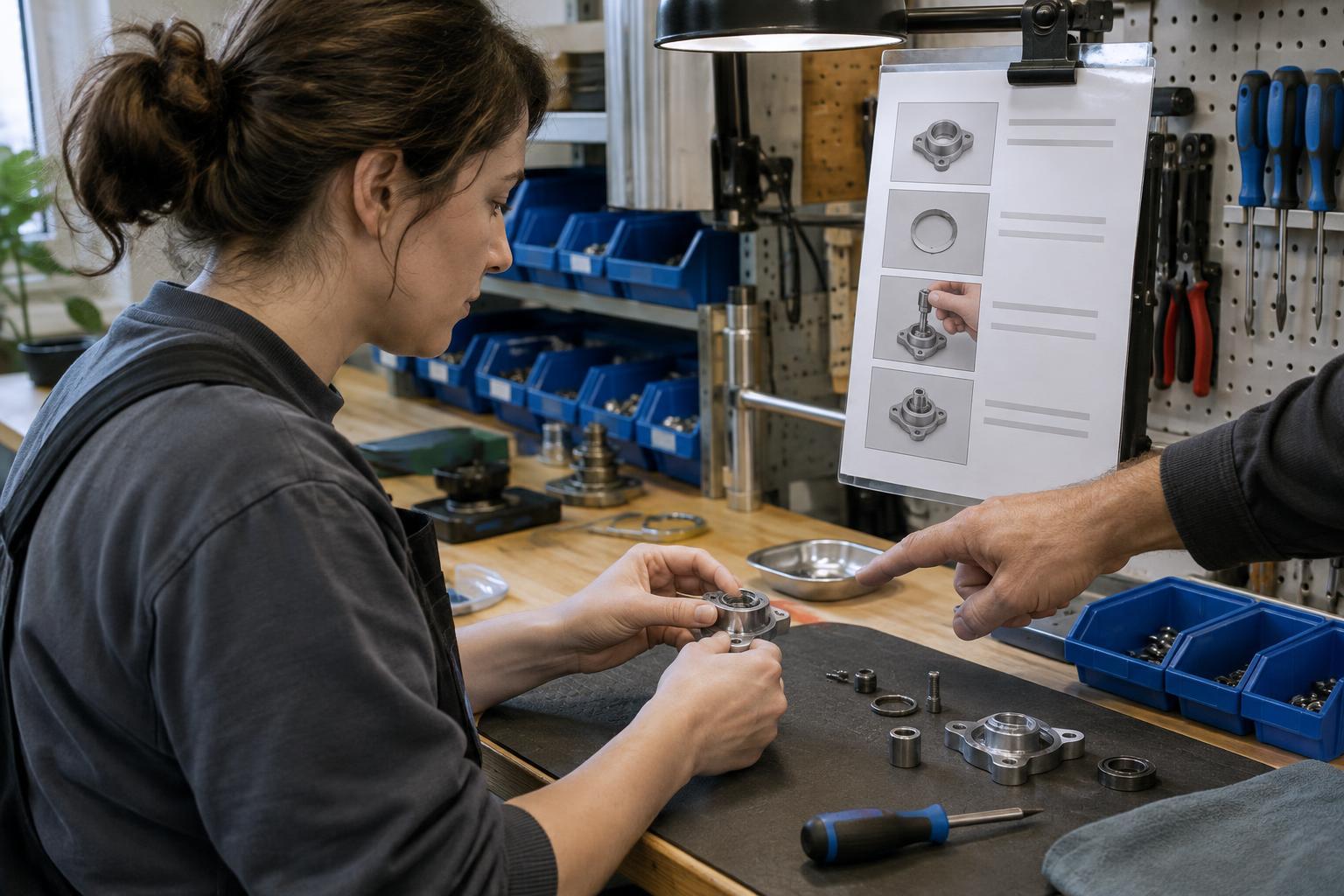
A photo, drawing or simple diagram can clarify orientation, placement and the difference between an acceptable and unacceptable result. Choose an image that shows the actual feature in question, with a clear viewpoint and minimal background clutter. Labels and arrows should remove ambiguity rather than cover the part. Visuals supplement written steps; they should not be the only place where a critical requirement appears.
Test the draft with the people who will use it
Reviewing a draft at a desk will not show every gap. At the station, ask someone who did not write the instruction to work through it using the available tools and materials. Watch for hesitation, steps performed in a different order, and questions the document does not answer. The aim is to test the instruction, not the person. If the reader has to rely on memory or ask a colleague for an essential detail, revise the draft.
Check that the instruction matches the real station before releasing it. A drawing may show a fixture that has been replaced, or a document may name a storage location that has moved. Confirm that any referenced specifications are identifiable and accessible. Where a task has safety requirements, make sure the instruction is consistent with the workplace’s established procedures rather than attempting to replace them.
Keep one usable version in circulation
Even a clear instruction loses value when the process changes but the document does not. Assign responsibility for reviewing it when tools, materials, product designs or checks change. Mark the document with a revision identifier and make it clear which version applies at the station. Remove or clearly retire old printed copies; otherwise, two operators may follow different directions while each believes the document is current.
Treat questions and workarounds as feedback. If operators repeatedly skip a step, find out whether the step is unnecessary, poorly placed or difficult to perform as written. If they add an informal check, determine whether it belongs in the instruction. The goal is not a longer document for its own sake. It is a reliable, readable guide that reflects the work and helps people recognize when something needs attention.