Three checks, three different questions
A finished part can look sound even when an important dimension, fit, or surface requirement is wrong. Inspection helps a workshop find those problems, but a check at the end of a job cannot undo the time and material already spent. Placing checks throughout production makes it easier to discover a problem close to the point where it began.
First-piece inspection asks whether the setup is capable of making the intended item. In-process inspection asks whether production is continuing to do so. Final inspection asks whether the completed work is ready to leave the workshop or move to the next operation. These stages overlap, but none is a complete substitute for the others.
First-piece inspection: confirm the setup
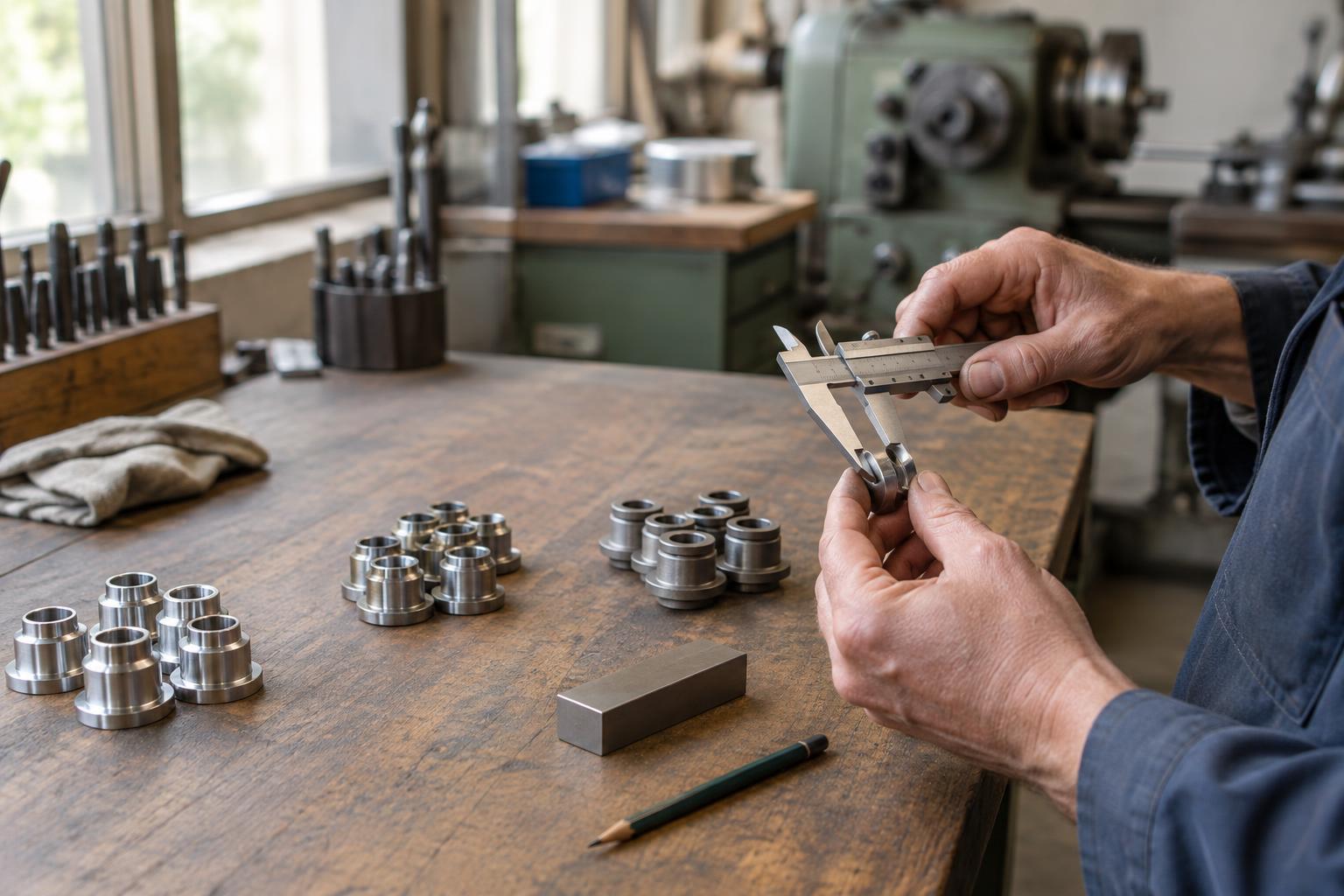
The first piece is the first usable output after a setup, changeover, or meaningful adjustment. Before repeating that setup across a batch, compare the piece with the drawing, sample, or agreed specification. Check the features that depend on the setup: dimensions, hole positions, orientation, fit, finish, or another relevant requirement. A practical first-piece check also confirms that the correct material, components, and revision of the instructions are in use.
Not every job needs the same level of scrutiny. A familiar operation may call for a short list of critical features; a new design or unfamiliar material may warrant a more complete check. The important point is to decide what must be confirmed before volume production begins. If the first piece fails, adjust the process, make another piece, and check again rather than treating an unverified correction as approval.
A new first-piece check may be useful after a tool change, fixture adjustment, program edit, or other change that could affect the result. Calling out those triggers in the job instructions helps prevent a previously approved setup from being mistaken for a permanently approved process.
In-process inspection: catch change while there is time to act
Once production starts, conditions can shift. Tools wear, fixtures loosen, material varies, and a manual operation can become less consistent over a long run. In-process checks sample work during production so the team can identify a change before it affects the whole batch. They are especially useful for features that can drift even when the first piece was correct.
Set the timing to suit the operation rather than using one schedule for every job. A check might follow a set number of pieces, a period of running time, a material change, or an interruption and restart. Decide who performs it, what they measure or observe, and where they record the result. The check should be clear enough that another person can repeat it using the same reference and method.
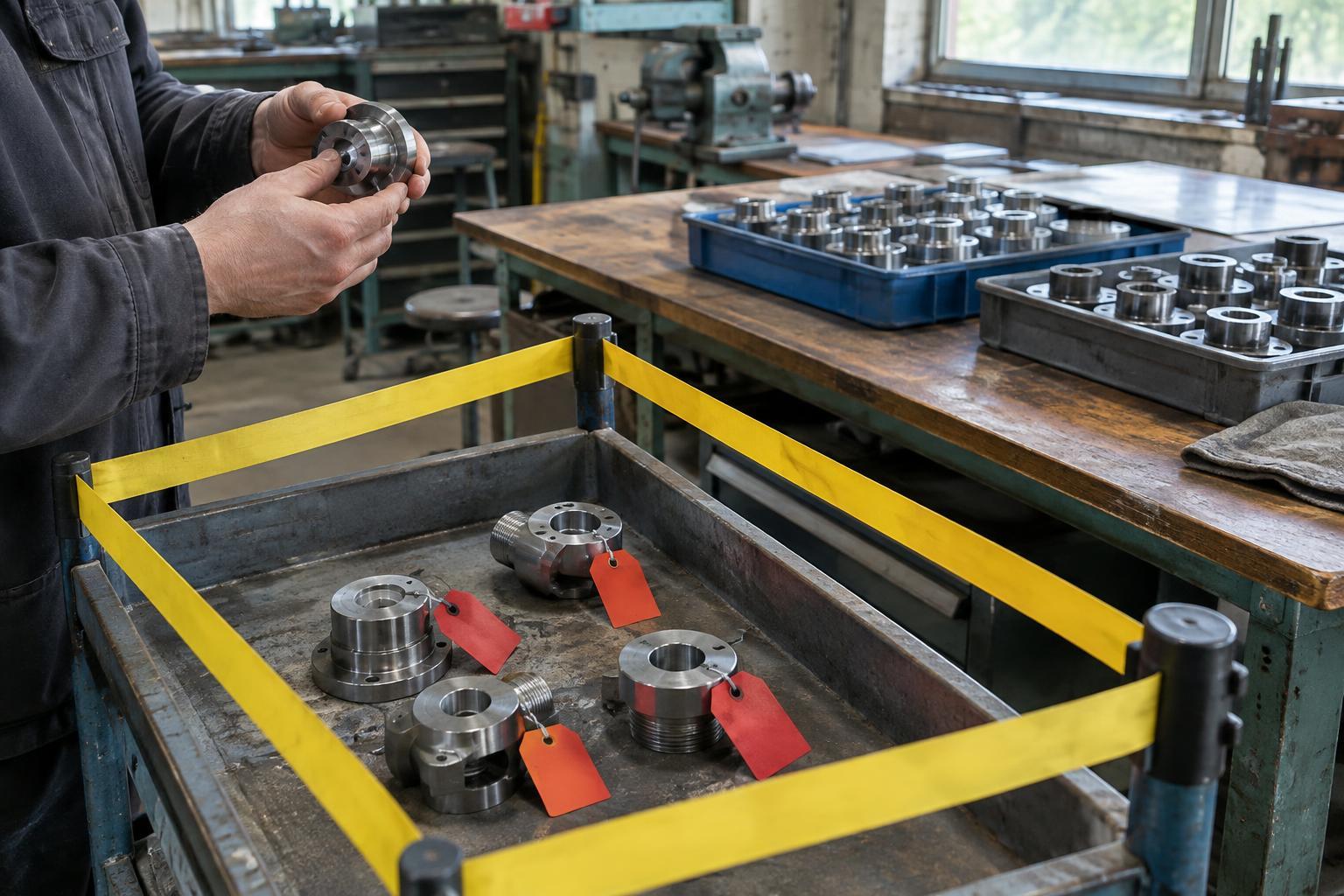
An out-of-limit result calls for more than adjusting the next piece. Pause the affected operation, identify the last known acceptable check, and separate work made since then until it can be assessed. That boundary makes the record useful: it helps the workshop determine which pieces may need rechecking without assuming that the entire job is good or bad.
Final inspection: verify the work being handed over
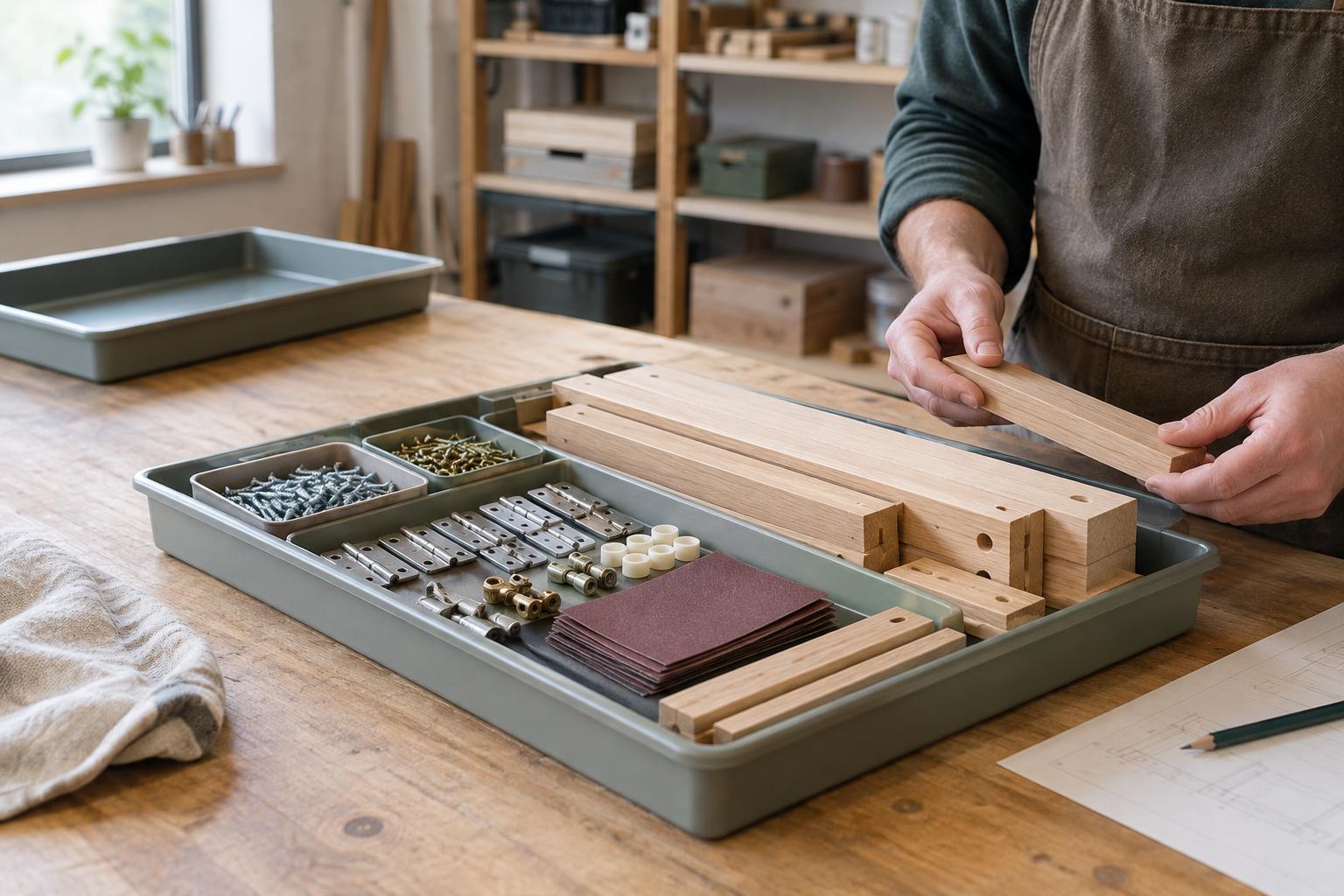
Final inspection takes place when the work is complete, before it is packed, shipped, or passed to another team. It can confirm quantity, identification, visible condition, required features, assembly, and any job-specific acceptance points. For multi-part work, it is also an opportunity to check that the right components and accompanying information are present.
Final inspection is not a replacement for process checks. Some features become difficult to inspect after assembly or finishing, and a final check cannot show exactly when a process began to drift. Its value is in reviewing the completed output as it will be handed over. When a defect is found, the team should contain the affected work and decide what needs to be corrected or checked again before release.
Make the checks one connected routine
A workable inspection plan does not need to be elaborate. For each operation, identify the requirements that matter, the appropriate checking method, the stage at which each check belongs, and the person responsible. Keep the reference document and acceptance criteria accessible at the work area. A simple record linking a result to the job, stage, and time or batch position is more useful than an unsigned box that merely says “checked.”
Review repeated findings rather than only sorting individual pieces. If final inspection regularly catches the same issue, an earlier check may be missing or too vague. If in-process checks seldom inform a decision, their timing or focus may need adjustment. The aim is not to inspect as often as possible; it is to learn soon enough to protect the work, use resources carefully, and hand over a result the workshop has good reason to trust.