One order, one working record
A job traveler is the record that follows an order through its production steps. It identifies the work, points people to the instructions they need, and shows what has been completed. In a small workshop, that may be a sheet clipped to a parts bin. In a larger operation, it may be a digital record linked to drawings and workstations. The format matters less than the habit: everyone handling the order should be able to find its current requirements and status.
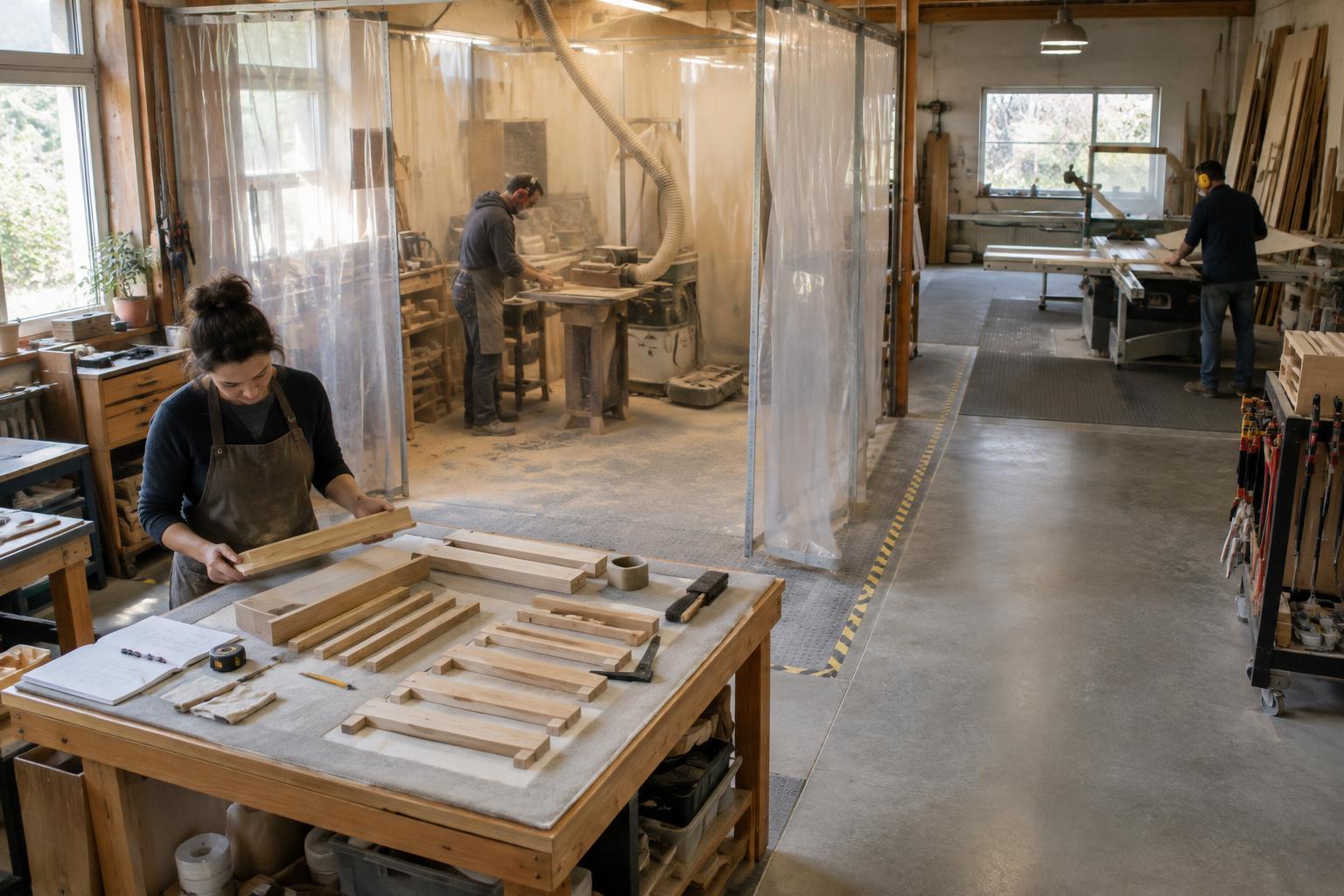
A traveler is especially useful when work changes hands. A cut component might move to machining, assembly, finishing and packing, with waiting time between each step. Without a shared record, the next person may have to rely on memory or ask whether a change was approved. A traveler does not replace conversation, drawings or skilled judgment. It gives those things a dependable point of reference.
Include what the next person needs
Start with a unique order or batch identifier, the item and quantity, and a reference to the approved drawing or specification. Add the material and any critical requirements that could otherwise be missed, such as orientation, finish or matched parts. If the traveler refers to another document, make its revision clear. A note saying “use the drawing” is not enough when several versions might be available.
List the major operations in the order they are expected to happen, leaving room to record completion and checks. The goal is not to copy every detailed instruction onto one page. Crowding a traveler with measurements, setup advice and lengthy procedures can make its important signals harder to see. Keep detailed methods in controlled instructions where appropriate, and use the traveler to connect the order to those instructions and show its progress.
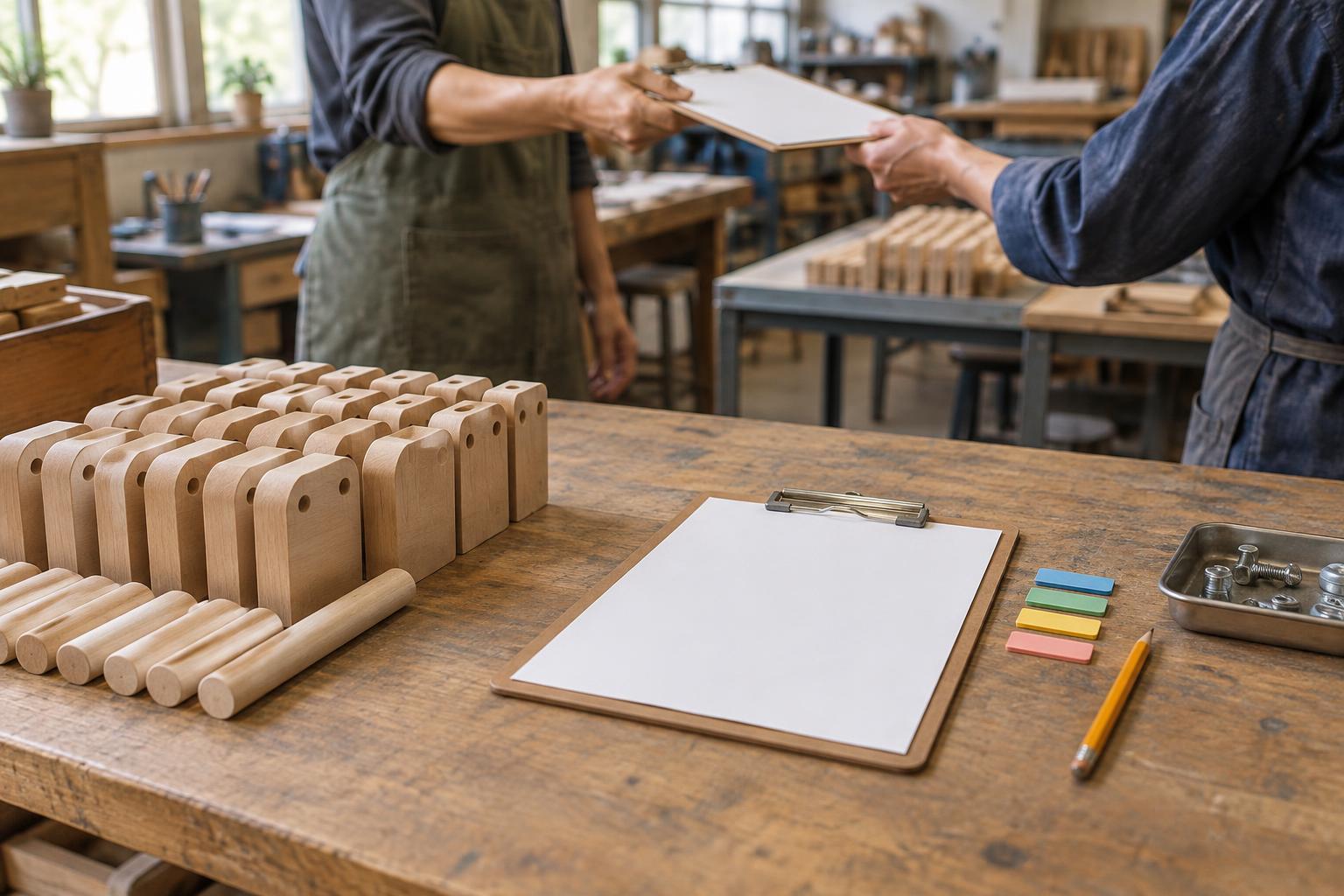
Think about what a person needs at a handoff: which pieces are present, what has already been checked, what remains open and where the work should go next. Space for a short, specific note is often more useful than a large field labeled “comments.” A note such as “two panels set aside for edge repair” tells the next station what to expect; an unexplained tick mark does not.
Make status visible without guessing
A traveler works best when each operation has a simple status: not started, in progress, complete or on hold, for example. Record who completed a step and, when useful, when it happened. These entries are not a measure of craftsmanship by themselves. They help prevent an unfinished or unchecked order from quietly moving onward. For work that must be inspected before the next operation, make that hold point unmistakable.
Keep physical travelers with the work in a sleeve, tag or protected folder that will survive the workshop environment. If parts are split across containers, each container needs a reliable link to the same order. A digital traveler can make records easier to find, but only if people can update it where the work happens. A system that requires someone to reconstruct status at the end of a shift is likely to lag behind reality.
Handle changes and exceptions in the open
Orders do not always follow the planned route. Material may be substituted, a dimension clarified or a part sent back for rework. When that happens, the traveler should show that work is on hold or has taken a different path, rather than letting an old instruction appear valid. Record the issue, who resolved it and which approved instruction now applies. If an approval is required by the workshop’s process, the traveler should point to it rather than imply that an informal note is enough.
Revision control is particularly important when a drawing changes after production starts. Remove or clearly mark superseded copies, identify any work already made to the earlier version, and communicate the decision about those pieces. For custom work, keep customer requests separate from approved production instructions until they have been reviewed. This avoids leaving the next station to interpret a message or decide whether it overrides the drawing.
Close the loop and improve the form
At completion, the traveler should make it possible to confirm that required operations and checks are done, the quantity is accounted for, and the order is ready for packing or delivery. File or retain the record according to the workshop’s needs so that questions about a finished job can be answered without relying on recollection. The record may also reveal recurring sources of delay, such as unclear specifications or parts that frequently need rework.
Start with a modest form and test it on real orders. Ask the people using it which fields help them and which they routinely skip. If the same clarification has to be written on every traveler, it may belong in a standard instruction; if an important handoff is repeatedly missed, it may deserve its own line. A good traveler is neither a paperwork exercise nor an attempt to script every movement. It is a compact, current account of what this order needs and where it stands.