Start with a defined home for each tool
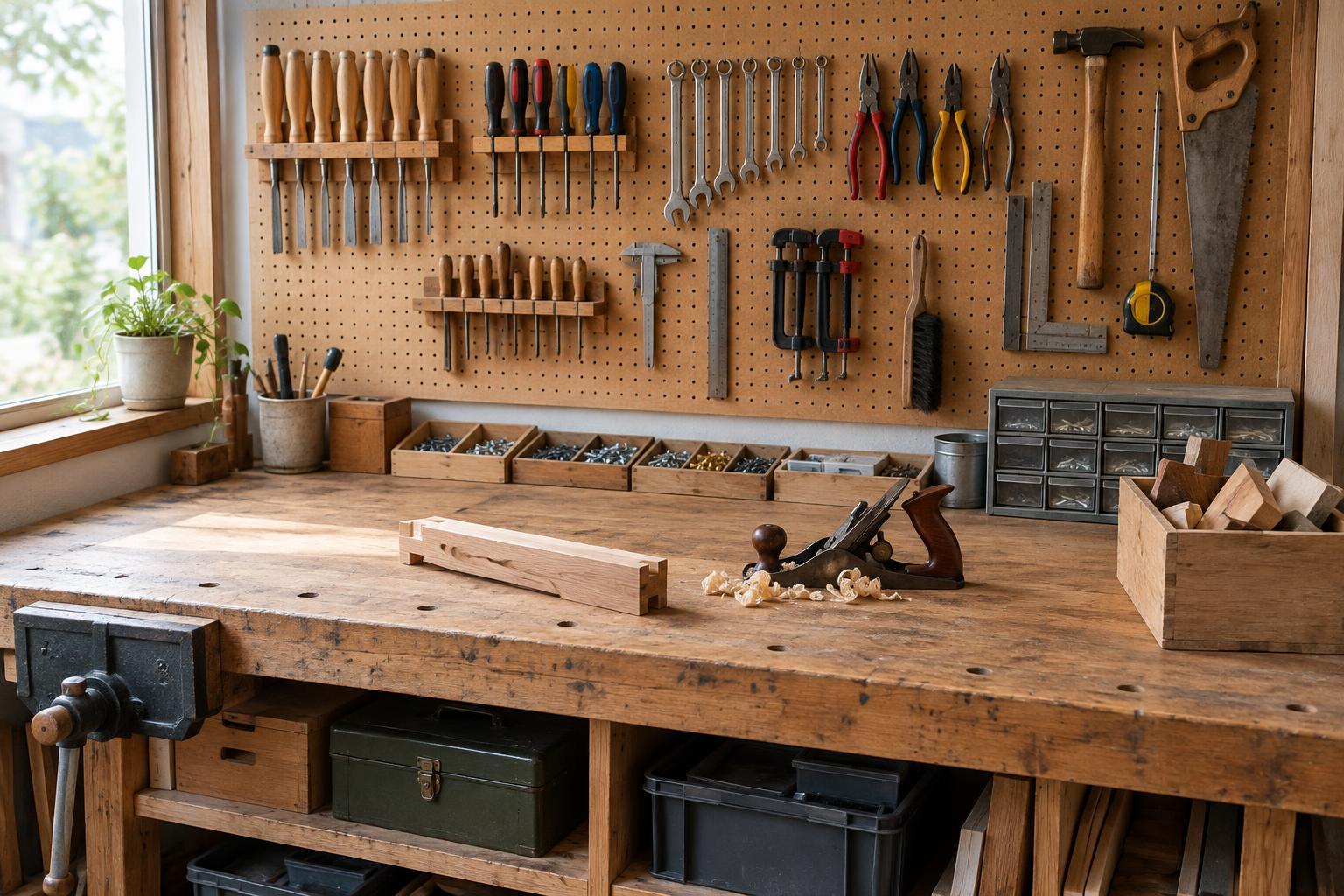
A shared tool cannot be reliably returned if its home is unclear. Give each tool or tool set a designated location near the work it supports, while keeping access routes and work surfaces clear. Drawers, shelves, cabinets, and wall-mounted holders can all work; the important point is that each location is specific enough to remove guesswork. Labels should name the tool in terms the workshop actually uses.
Group tools by task or type, but account for how they travel. A kit used across several stations may be easier to manage as one numbered case than as loose pieces assigned to separate drawers. For tools with accessories, mark the storage space with a short contents list. An empty outline or labeled slot makes an absence visible without requiring someone to search the entire cabinet.
Make sign-out quick enough to use
A sign-out system should answer three questions: what was taken, who has it, and where it is being used. A paper sheet, tag board, or simple shared log can do that. Choose a method that people can reach at the point of storage rather than asking them to record the loan elsewhere after they have begun work.
Record only details that help the next person locate the tool. A tool identifier, borrower name, work area, and time taken are often enough. For tools that routinely move between shifts, add an expected return or handover point. If a tool is passed directly to another person, update the record at the handover; otherwise, the log quickly becomes a list of past borrowers rather than a picture of where tools are now.
Not every item needs identical controls. Frequently used, inexpensive hand tools may only need assigned storage, while scarce tools, calibrated instruments, or complete kits may justify individual sign-out. Applying the same detailed process to every screwdriver can create so much paperwork that people stop recording anything.
Treat the return location as part of the task
The return process should be as clear as the borrowing process. At the end of a job, the user checks that the tool is clean enough for storage, its accessories are present, and any guards or protective cases are in place. They then return it to its marked location and close the sign-out entry. This sequence prevents a tool left on a nearby bench from appearing available in the log.
Provide a separate, clearly marked place for items that cannot be returned to service. A damaged tool, missing component, or uncertain condition should be reported and placed there rather than put back among ready-to-use equipment. The area needs a way to identify the problem and the person responsible for deciding what happens next. Without that follow-through, it can become another place where tools disappear.
Build accountability without encouraging concealment
Accountability works best when it means making the status of a tool visible, not assigning blame for every imperfection. People need to know that reporting a dropped tool or a missing accessory is preferable to quietly returning an incomplete kit. Set a straightforward expectation: record transfers, report problems promptly, and do not mark an item returned until it is back in its proper place.
Agree on who resolves exceptions. A shift lead or designated tool custodian might check overdue entries, arrange repairs, and decide when an item can go back into use. That role should also be able to correct records when a tool has been returned but not checked in. When the log is treated as a practical coordination aid, workers have a reason to keep it accurate.
Review the system where work actually happens
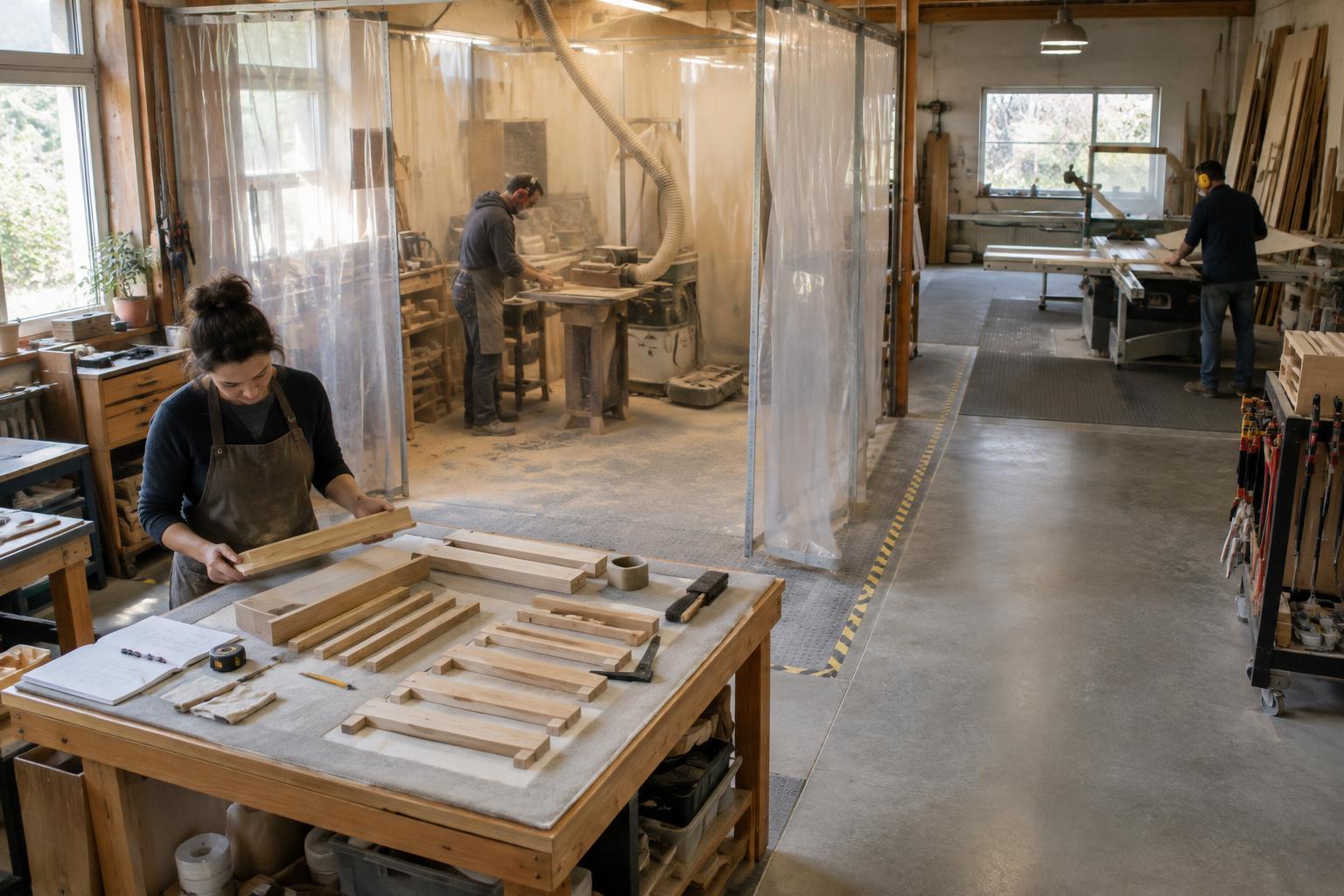
Storage layouts and sign-out rules need occasional adjustment. A brief check of empty slots and open entries can reveal tools that regularly migrate to another station, kits with frequently missing parts, or a cabinet that is inconvenient to reach. Ask users why a return step is being skipped before adding another rule; the location or record may be the obstacle.
Keep changes modest and visible. Move a tool closer to its main point of use, revise a confusing label, or split a large kit if its components are repeatedly needed in different places. Then make sure the storage markings and sign-out record match the new arrangement. The goal is not a perfect inventory on paper, but a workshop where the next person can find a usable tool without interrupting everyone else.