Treat a revision as a decision, not just a new file
Product development rarely moves in a straight line. A handle feels awkward in a prototype, a joint proves difficult to assemble, or a material choice changes how a part must be finished. Revising the design is normal. The risk is that the reason for the change stays in a conversation while only the altered drawing survives.
A useful revision record answers a few plain questions: What changed? Why? What evidence or constraint prompted it? Who agreed to the change? Which parts, documents and unfinished work does it affect? The answer need not be lengthy. A short, specific note such as “increased clearance to make hand assembly more reliable” is more useful later than “updated dimensions.” It distinguishes an intentional choice from a drafting correction.
Keep exploratory ideas separate from approved revisions. A proposed change can be discussed, sketched and tested without immediately becoming the version a workshop should build. Giving it a clear status prevents an unfinished experiment from being mistaken for an instruction.
Make one version identifiable across the whole product
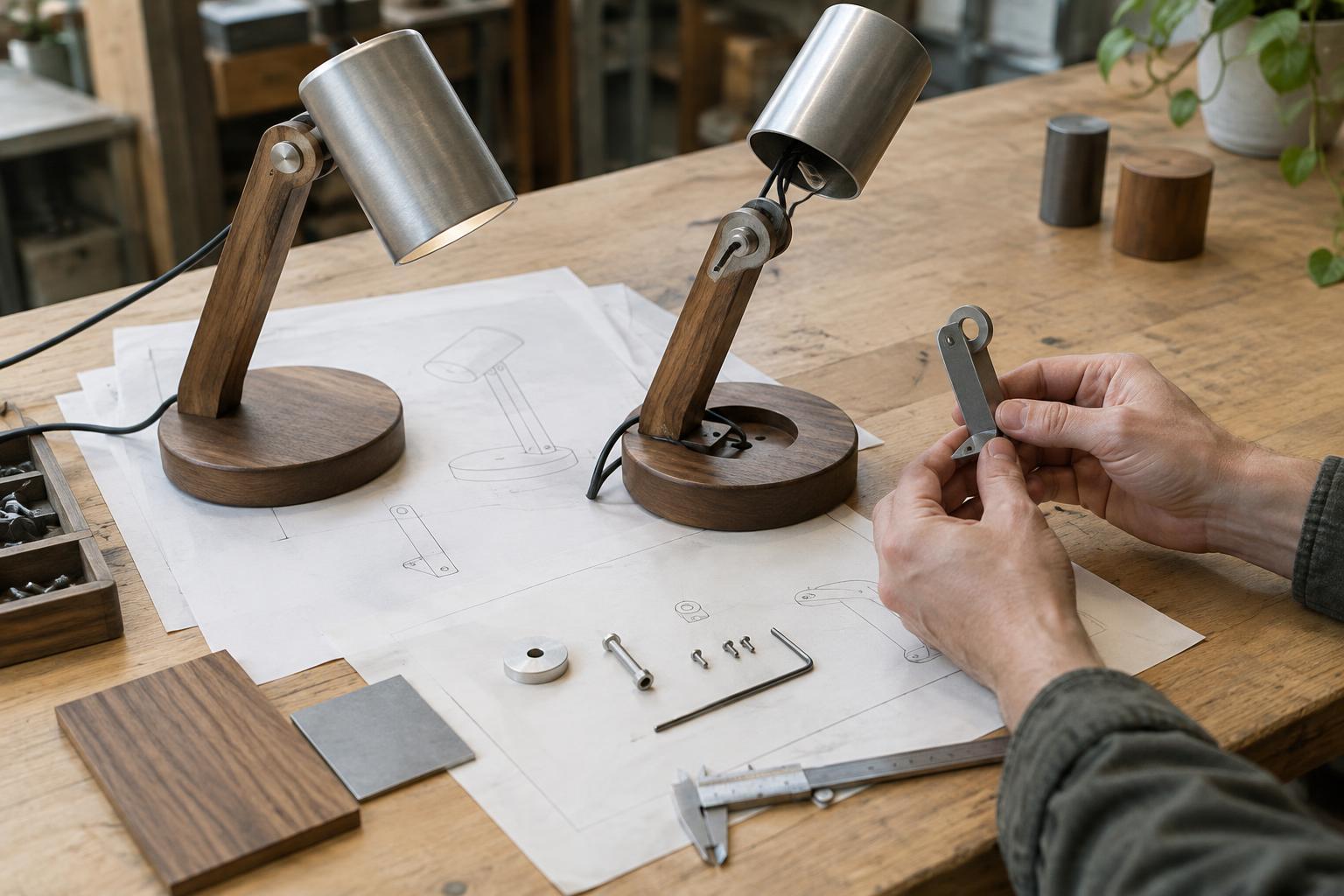
A product seldom exists in one file. Its definition may include drawings, a parts list, material specifications, cutting patterns, finish samples, assembly notes and inspection criteria. If a drawing changes but the parts list does not, both documents may look credible while describing different products. Traceability depends on knowing which versions belong together.
Start by identifying the product and its components consistently. Then record the revision of each controlled document and the product version to which it applies. A simple release list can serve as an index: for a given product revision, it names the approved drawing, parts list and relevant instructions. The system can be modest, but people should not have to infer the current version from a file’s location or modification time.
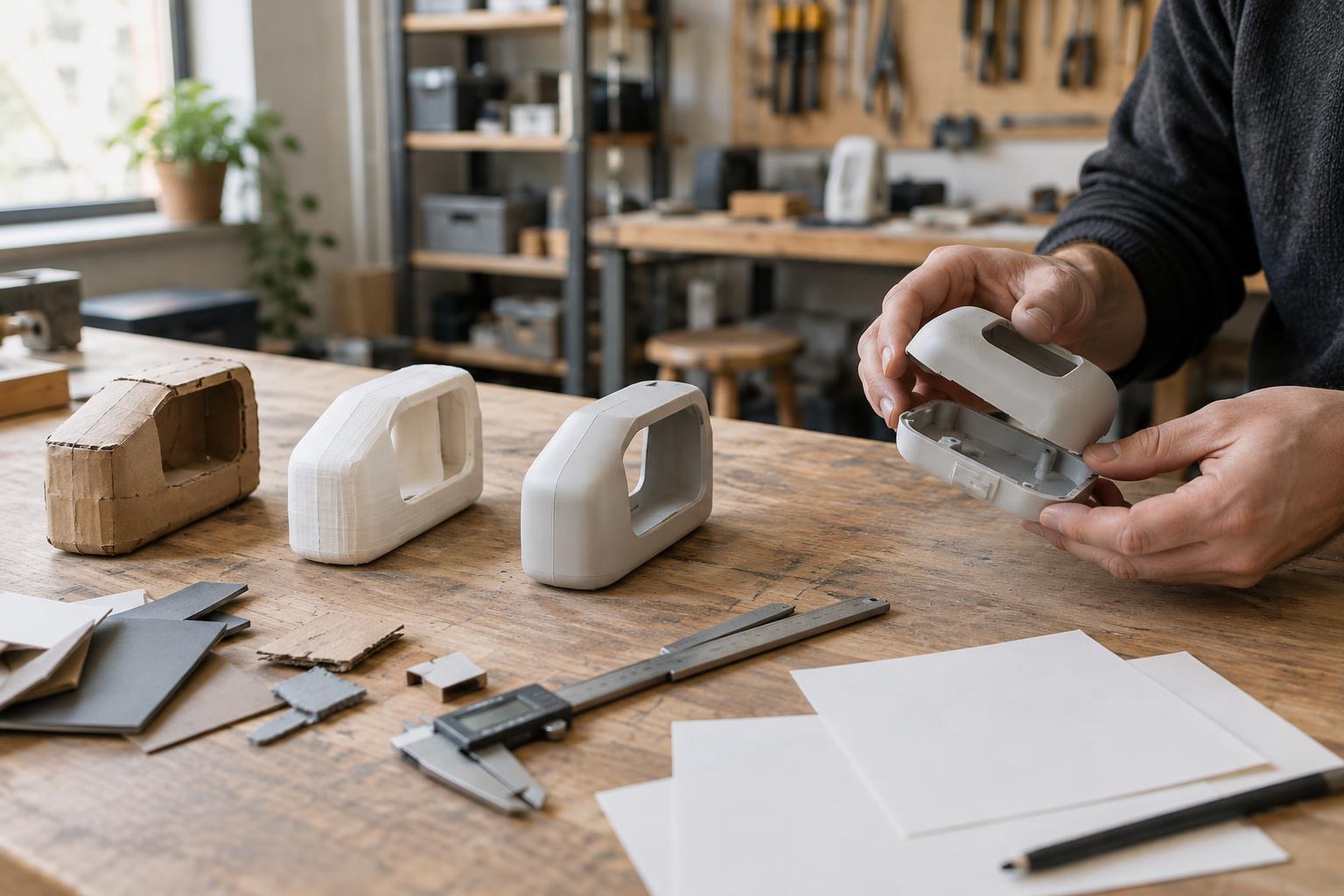
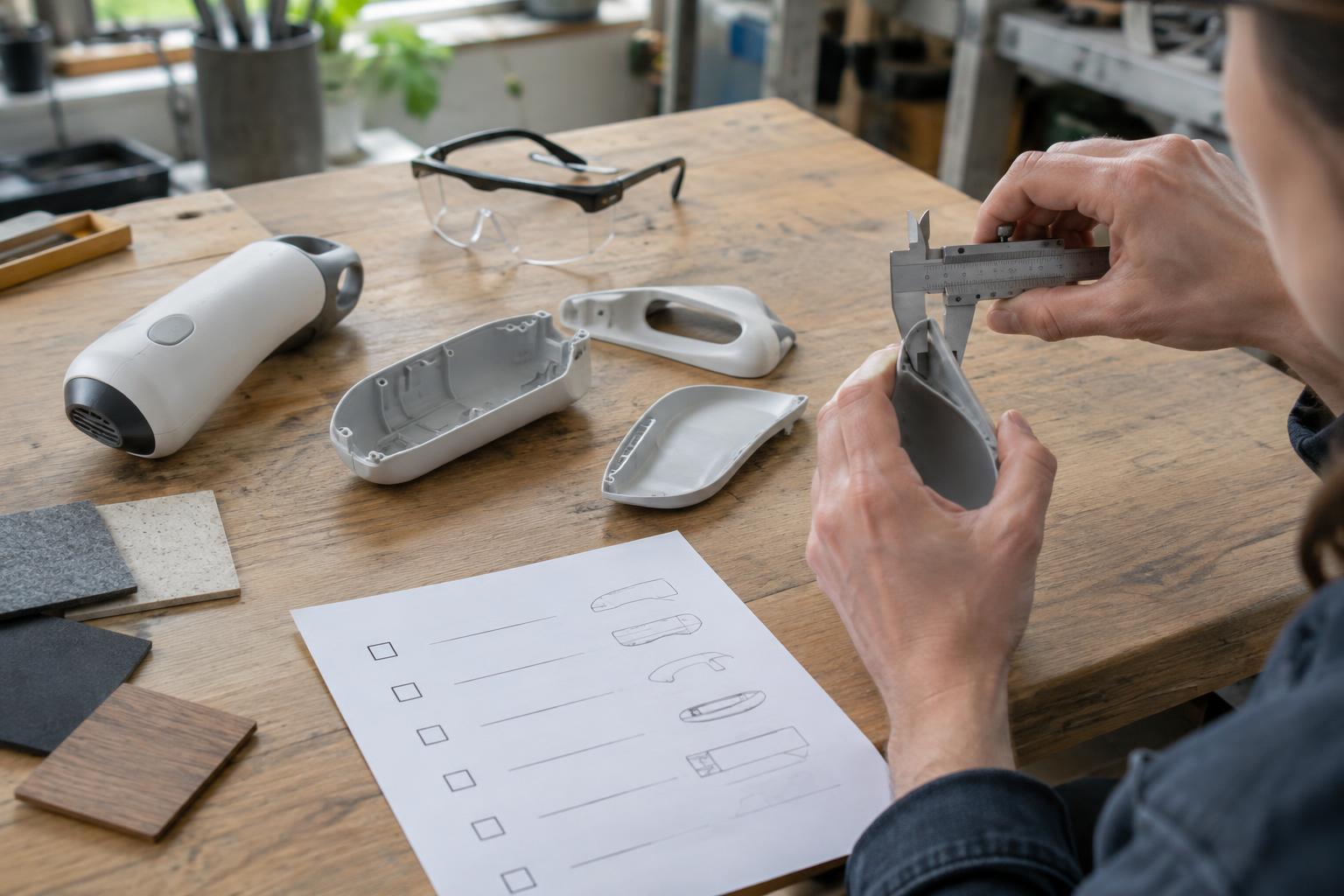
For physical work, label prototypes, samples and retained parts with an identifier that points back to their records. Note any deliberate departures from the drawing, such as a substituted material used to test shape rather than durability. Otherwise, a team may draw conclusions from a prototype that was never representative of the proposed build.
Assess the reach of a change before releasing it
Even a small design edit can travel. Changing a wall thickness may affect fit, weight, tooling and finishing; moving a fastener may alter an assembly sequence. Before approval, check the change against the other components it touches and against the way the product is made, handled, repaired and inspected. Invite input from the people who will carry out those steps, especially when a drawing does not capture the full process.
Record the outcome as well as the discussion. If a proposed revision is rejected, a brief reason can save someone from repeating the same trial. If it is accepted with a condition, such as testing an assembly method first, leave that condition visible until it is resolved. Decision history is most valuable when it includes alternatives and trade-offs, not just the final dimensions.
It also helps to distinguish a correction from a change in intent. Fixing a mislabeled dimension may require replacing an instruction, while changing the intended fit may require new samples and a review of existing parts. Both deserve a record, but they need not follow identical paths.
Give the workshop a clear point of handover
A revision is not fully controlled when it has only been saved. It needs a release point: an agreed moment when the approved documents become the instructions for new work. At handover, identify what is superseded, where the current set can be found and who should be told. Remove outdated printouts from active work areas or mark them clearly so they cannot be used by accident.
Decide what happens to work already in progress. Components made to an earlier version might remain suitable, need modification or need to be set aside. Record that decision against the relevant batch or work order rather than relying on memory. When old and new versions can coexist, make the distinction visible to anyone selecting parts or checking an assembly.
A small workshop may manage this with a release sheet and a shared folder; a larger operation may use more structured tools. Either way, the essential discipline is the same: one approved reference for each build, a named person responsible for release and an accessible record of exceptions.
Keep the record useful after the product ships
Revision history is useful beyond the next build. It can explain why two otherwise similar products use different components, help diagnose a recurring assembly problem and show whether a later change solved the issue that prompted it. Close the loop by noting what happened after release: whether the revised design was built as intended, whether it worked in practice and whether further changes are needed.
The goal is not to preserve every sketch indefinitely or create paperwork for its own sake. Keep enough information to reconstruct the decision and identify the product definition used for a particular build. When records are concise, consistently named and easy for the workshop to find, revision control becomes part of making a dependable product rather than an obstacle to improving one.