Two measures that answer different questions
Total energy use describes how much electricity a workshop consumes over a period. It is usually measured in kilowatt-hours (kWh). A machine drawing 5 kilowatts (kW) for two hours uses 10 kWh. This measure helps answer questions about overall consumption: how much electricity did the workshop use this week, and did a process change reduce it?
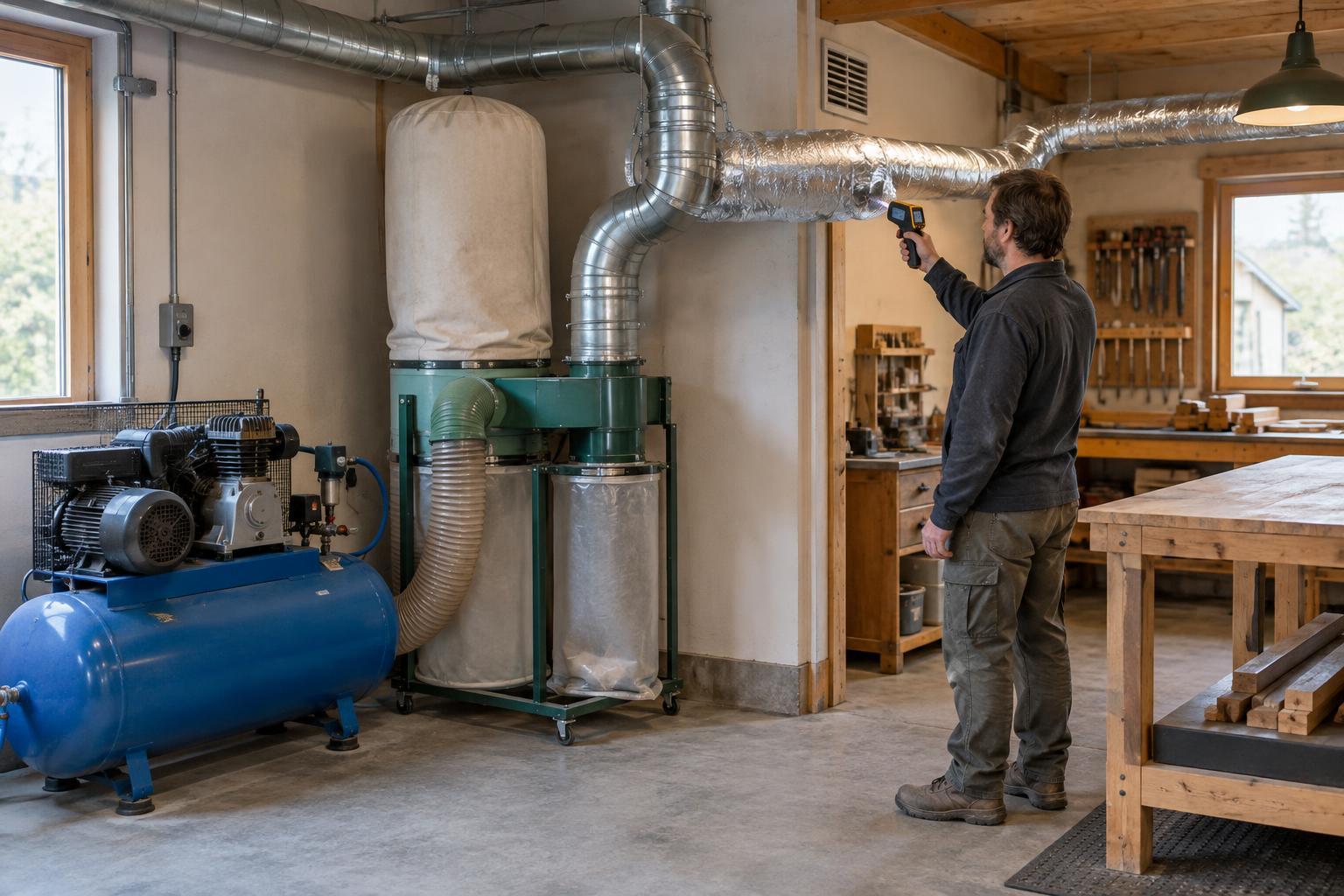
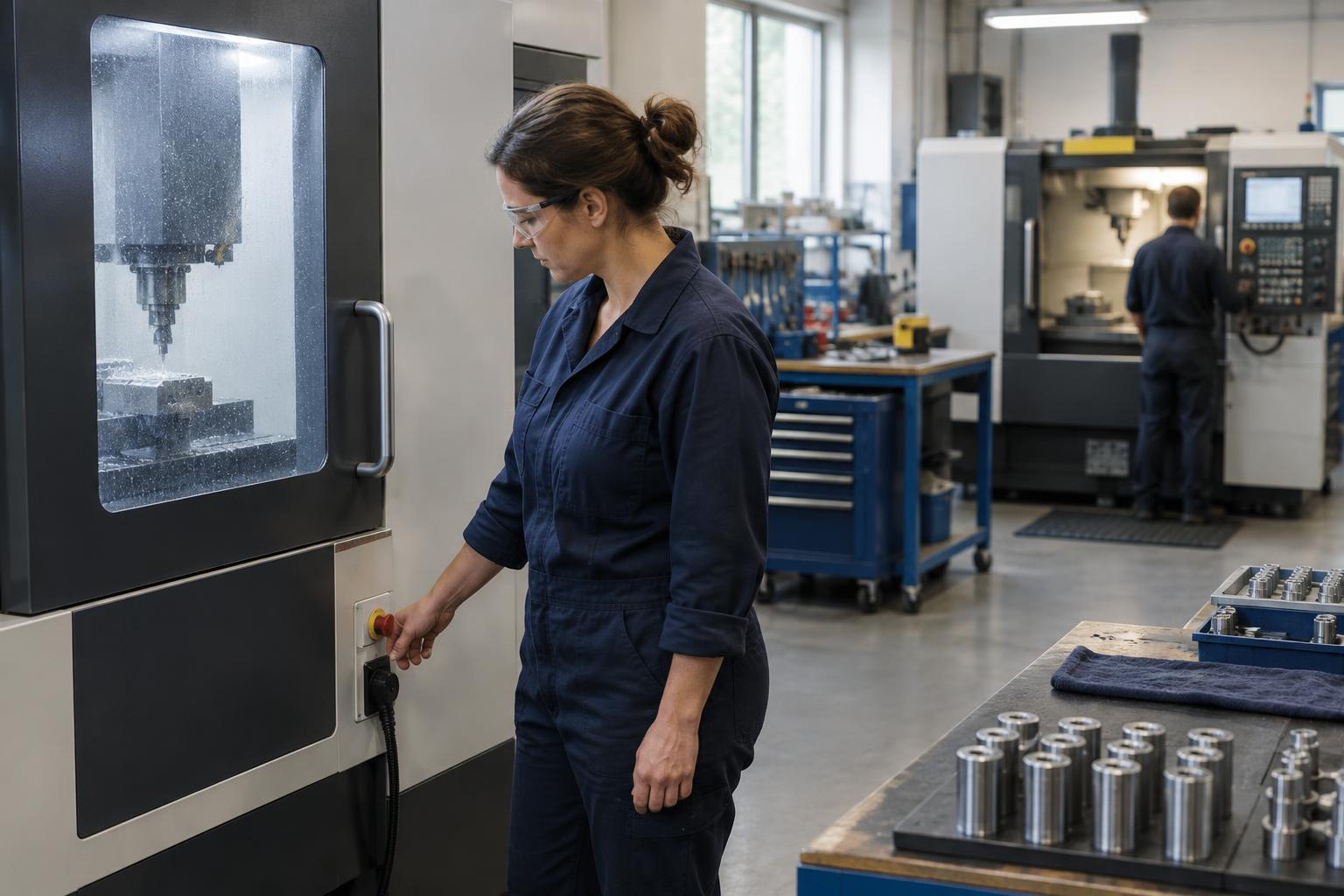
Power demand describes the rate at which electricity is being used at a particular time. A peak occurs when several loads run together, even if that combination lasts only briefly. A compressor, dust extractor, oven and production machine may each be reasonable loads on their own, but their overlap can create a much higher workshop-wide demand than any one machine produces.
The distinction matters because reducing energy use does not always reduce the peak. Replacing a long-running load with a more efficient one may lower kWh while leaving the busiest part of the shift unchanged. Conversely, moving a batch process to a quieter period may lower the peak without changing its total kWh. Both outcomes can be useful, but they solve different problems.
Start with the whole-workshop pattern
Begin with the electricity meter or monitoring system serving the workshop. Record total kWh at consistent intervals, such as each day or week, alongside operating hours and a simple measure of output. For peak demand, use interval readings if they are available. A meter or bill may report the highest average demand over a defined interval rather than the highest instantaneous reading, so check what its figures actually represent.
Compare ordinary production days with quieter days, maintenance periods and startup. Note when shifts begin, when heating or extraction runs, and when batches move through energy-intensive equipment. A log does not need to be elaborate: a time, an activity and any unusual condition can make a demand chart much easier to interpret.
Keep the comparisons fair. A busy week may consume more energy because more useful work was completed, while an idle workshop can still draw power from lighting, chargers, controls and air leaks in a compressed-air system. Tracking both total kWh and kWh per suitable unit of output can reveal different opportunities. Choose an output measure that fits the work; mixed or custom jobs may need to be grouped by process or compared against machine hours instead.
Find the loads behind the numbers
Once the workshop-wide pattern is clear, investigate likely contributors. Equipment nameplates can suggest where to look, but a rated power figure is not necessarily what a machine draws throughout a job. Measurements taken during normal operation are more informative. Suitable submetering or equipment logs can show whether a load is steady, cycles frequently, or rises only during particular steps.
Look for coincidence as well as consumption. If extraction starts with every cutting machine, its operation may be essential; the question is whether unrelated high-demand tasks also start at that moment. Compressed-air systems deserve separate attention because leaks and poorly timed cycling can add energy use even when production equipment is idle. Ovens, heaters and other thermal processes may offer different scheduling options from machines that must run alongside an operator.
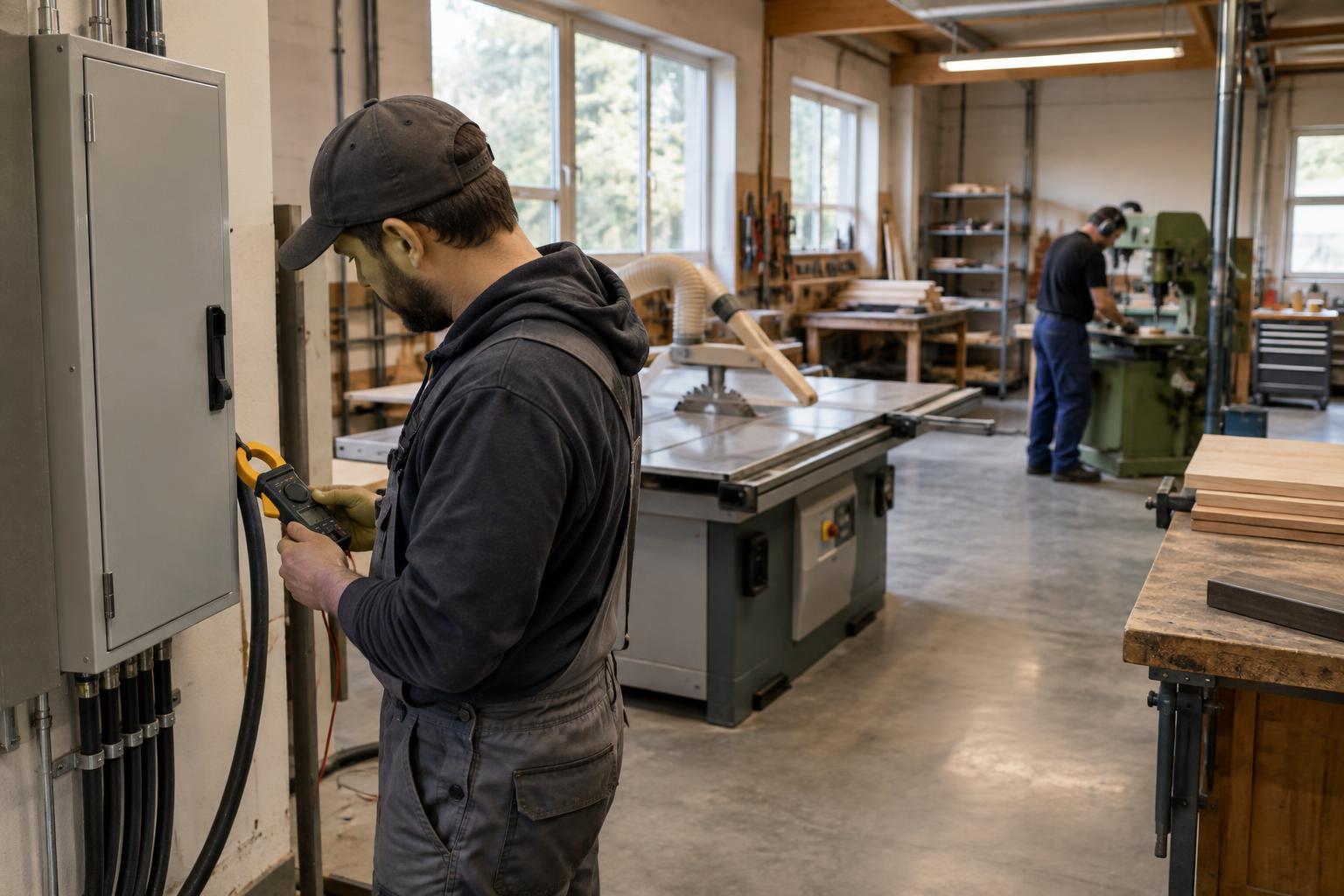
Electrical measurements and changes to fixed wiring should be handled by appropriately qualified people. Workshop staff can still contribute by documenting schedules, machine states and process requirements. Their observations help distinguish a genuine opportunity from a peak that is necessary for safe, effective production.
Match each improvement to the measure it affects
To reduce total energy use, first examine operating time and avoidable losses. Switching off equipment that is not needed, fixing compressed-air leaks, maintaining filters and checking whether machines remain in standby between jobs may reduce kWh without changing the product. Any shutdown routine must preserve required ventilation, cooling, fire protection and other safety functions.
To manage peak demand, examine when loads overlap. Staggering the start of suitable equipment, scheduling a batch process away from the busiest production period, or changing a sequence of jobs may spread demand across the day. These changes need a production check: a lower electrical peak is not a gain if it causes excessive waiting, scrap or overtime. The price impact also depends on the site’s electricity arrangements; not every bill charges for demand in the same way.
After a change, compare similar periods rather than relying on a single favorable day. Keep an eye on peak kW, total kWh, output and operating hours. If the peak falls but energy rises, or energy falls while throughput drops, the result needs a closer look.
Build a small measurement routine
A useful dashboard can be modest: weekly kWh, the highest recorded interval demand, operating hours, a relevant output measure and brief notes on exceptional jobs. Review trends with the people who plan work and operate equipment. Add more detailed metering only where the initial readings point to a specific question.
Peak demand shows how intensely the workshop uses electricity at its busiest measured times; total energy shows how much it uses overall. Measuring both prevents a well-intentioned change from being judged by the wrong result. The aim is not simply a smaller number on a chart, but a clearer understanding of how resources support the work.