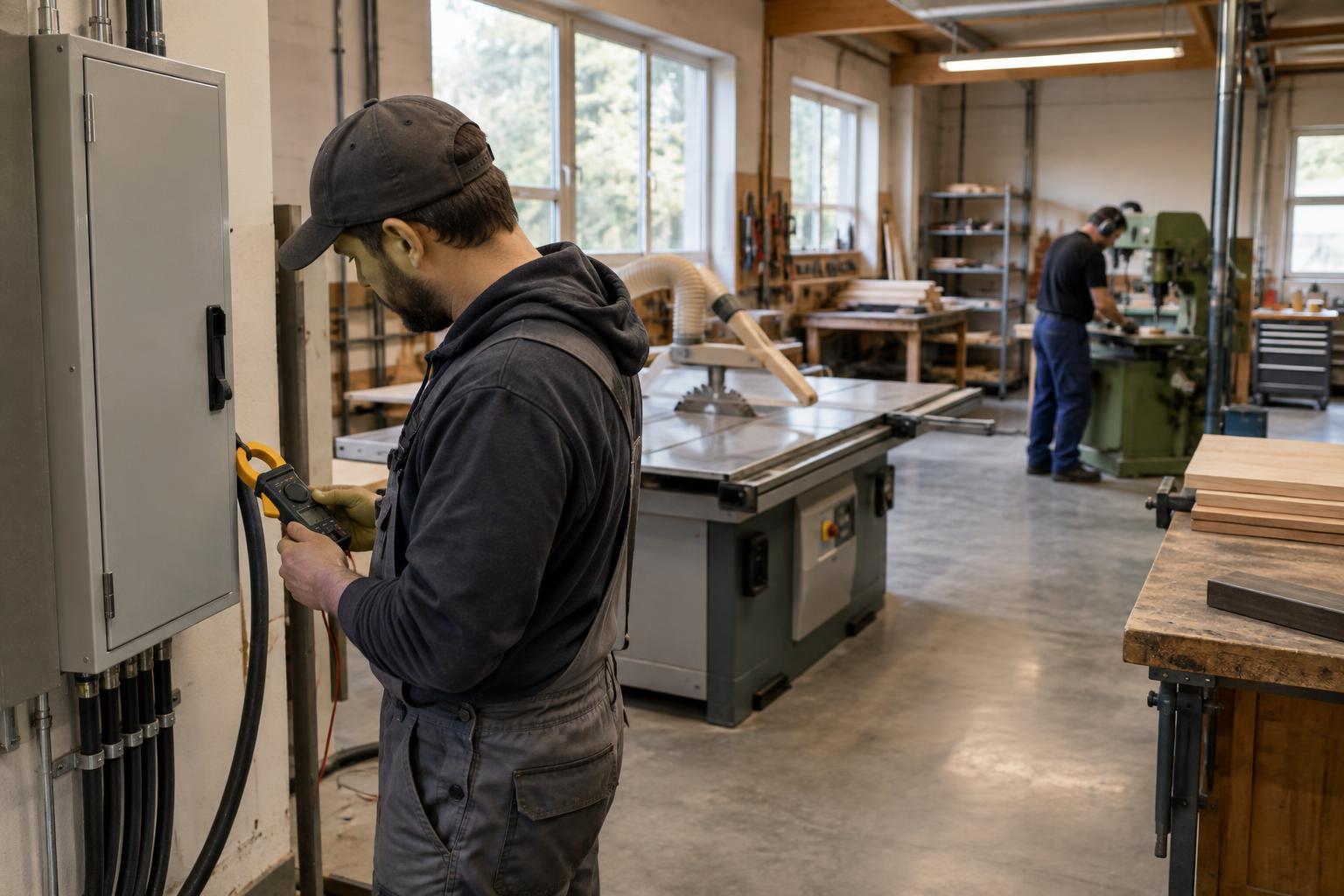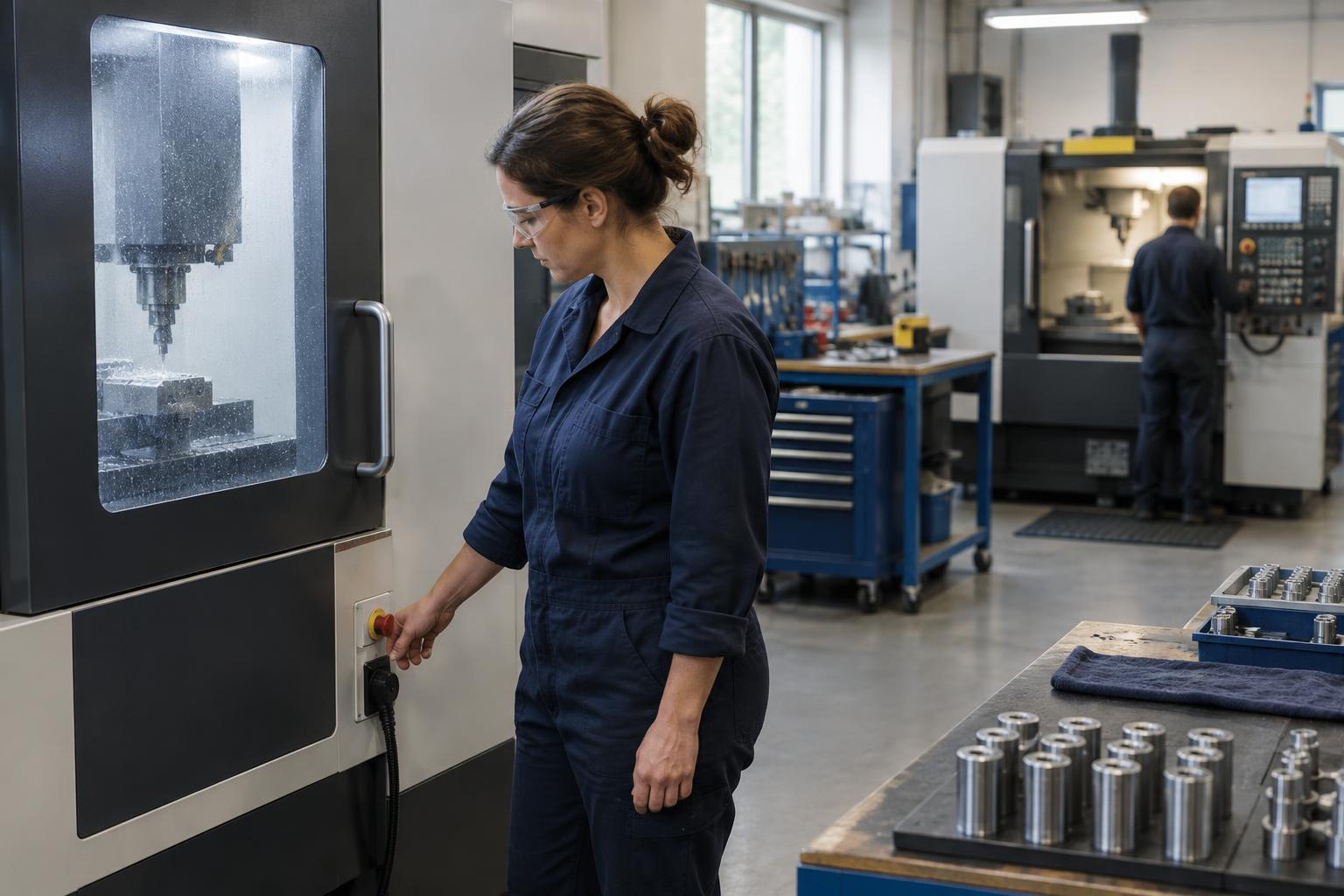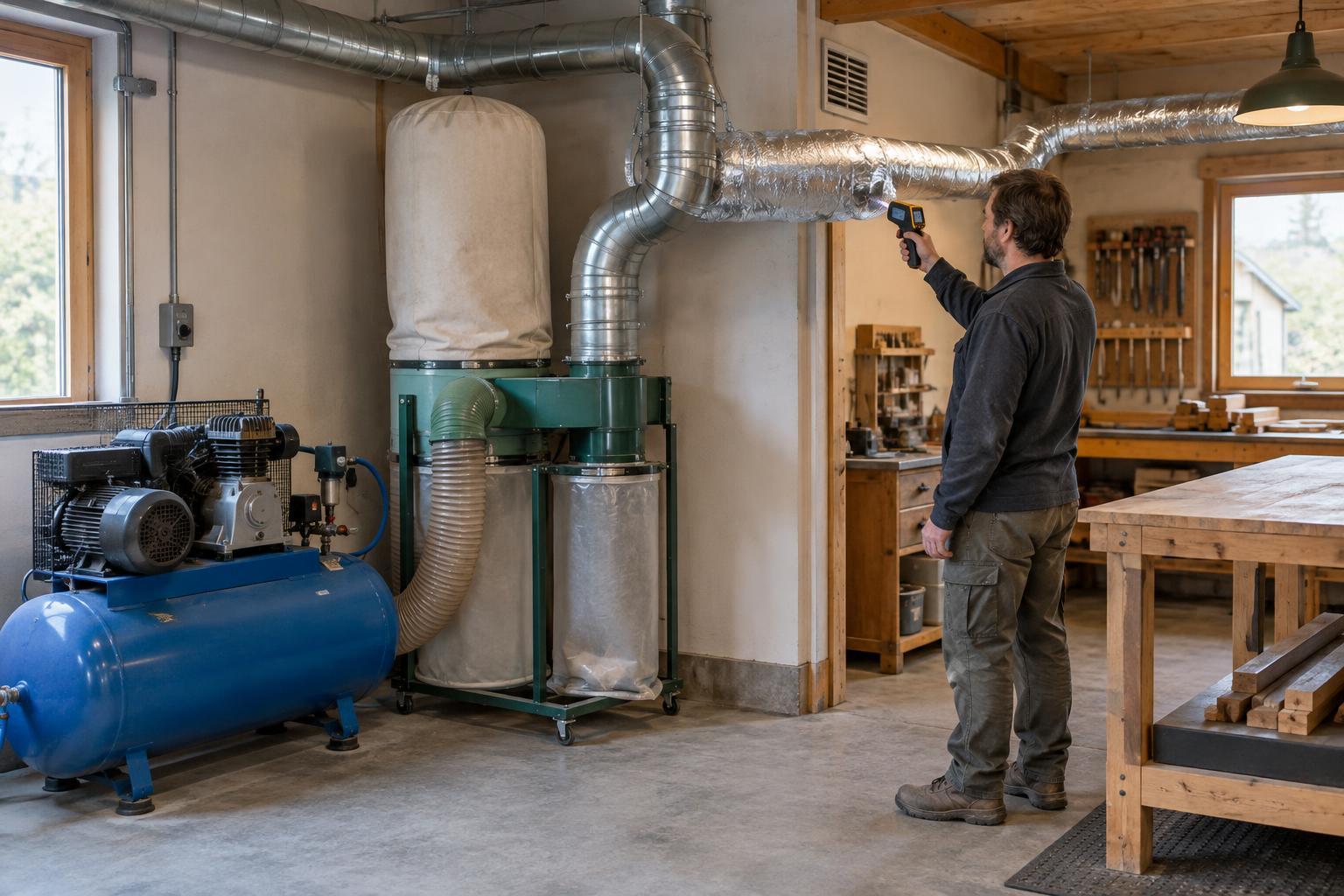
Start with the heat already in the room
An air compressor turns electrical energy into compressed air, but it also releases substantial heat through its motor, cooling system and compressed-air treatment equipment. Other workshop machines do something similar: extraction fans, pumps, ovens and production equipment may warm their surroundings or send warm air outdoors. That heat is worth noticing, particularly when a workshop needs space heating at the same time.
Not all available heat is useful heat. A machine may run only during a shift, while a neighboring room needs warmth early in the morning. Its exhaust may be warm but dusty, or the proposed destination may be too far away for a simple duct. Before considering equipment, map where heat leaves the process, when it is produced and where warmth is needed. That basic comparison often reveals whether recovery is promising or merely possible.
Match the recovery method to the machine
For an air-cooled compressor, a common approach is to direct warm cooling air toward a space that needs heating. A duct and damper can route that air indoors when useful and outdoors when it is not. The arrangement must preserve the airflow the compressor requires; restricting its cooling path to capture more heat can cause overheating and undermine the purpose of the project.
Some equipment has a liquid cooling circuit from which heat can be transferred to a separate water loop. That may provide a steadier way to preheat water or serve a suitable heating system, but it adds pumps, controls and maintenance needs. A heat exchanger keeps the circuits separate. The choice between air and water recovery depends on the machine’s design and the workshop’s heat demand, not simply on which option sounds more efficient.
Other sources need individual assessment. Heat from an oven or dryer, for example, may be associated with moisture, particles or process emissions. It should not be sent into occupied rooms without considering air quality and the equipment’s exhaust requirements. Transferring heat across a barrier may be more appropriate than moving the process air itself.
Check timing, temperature and distance
A useful survey records operating hours alongside heating needs. Note when a compressor loads and unloads, whether its room becomes uncomfortably hot, and whether nearby areas need heat during those same periods. Measure temperatures at the proposed collection and delivery points under normal operation. A warm surface or exhaust stream may feel promising, yet lose much of its usefulness after traveling through a long duct or pipe.
Look at the destination as carefully as the source. Space heating can often make use of modestly warm air, while water preheating requires a suitable temperature difference and a dependable demand. A short route to an adjacent room may be simpler than a more ambitious connection across the building. Insulating distribution runs can reduce unwanted heat loss, though access for cleaning and maintenance must remain practical.
The workshop’s seasonal needs matter too. In cold weather, recovered heat may reduce the work done by an existing heating system. In warm weather, the same heat must have a safe route away from occupied spaces. A design that cannot switch between those modes may trade one comfort problem for another.
Protect ventilation and machine performance
Heat recovery should be planned around the equipment’s required cooling, access clearances and maintenance instructions. Ducting must not block filters, service panels or the intake of clean cooling air. If fans or dampers are added, their operation should be coordinated with the machine so a failed or closed component cannot trap heat. The manufacturer’s requirements and the building’s ventilation arrangements are useful starting points for a competent installer.
Air quality deserves equal attention. Compressor rooms may contain oil mist, cleaning products or dust from nearby work. Even when direct recirculation seems convenient, inspect what else the airflow could carry. Filters and heat exchangers also need room for inspection and cleaning; a neglected component can reduce airflow or heat transfer over time. The aim is a system that remains workable during ordinary production and maintenance, not just one that performs well on its first day.
Build a small, testable plan
Start by listing candidate machines, their operating patterns and nearby heat uses. For the most promising match, sketch the route the heat would take, the controls needed to divert it, and how the machine will reject heat when the workshop does not want it. Include who will check dampers, clean filters and respond if operating temperatures rise. This makes hidden maintenance demands visible before installation.
After a change, compare conditions with the original observations: machine temperatures, room comfort, airflow and heating-system operation. If possible, monitor across different production loads and weather conditions rather than judging the result on one day. Waste heat recovery works best as part of workshop organization: it connects machine placement, ventilation, maintenance and building use. A modest arrangement that can be controlled and kept clean may be more valuable than a complex one that operators must work around.