Start with the job the architecture must do
Product architecture describes how a product’s functions are divided among its physical parts and how those parts connect. In a modular design, a part or group of parts can be changed with relatively little effect on the rest of the product. In an integrated design, functions and parts are more closely interdependent. Neither approach is inherently better: the useful choice depends on what the product must do over its lifetime.
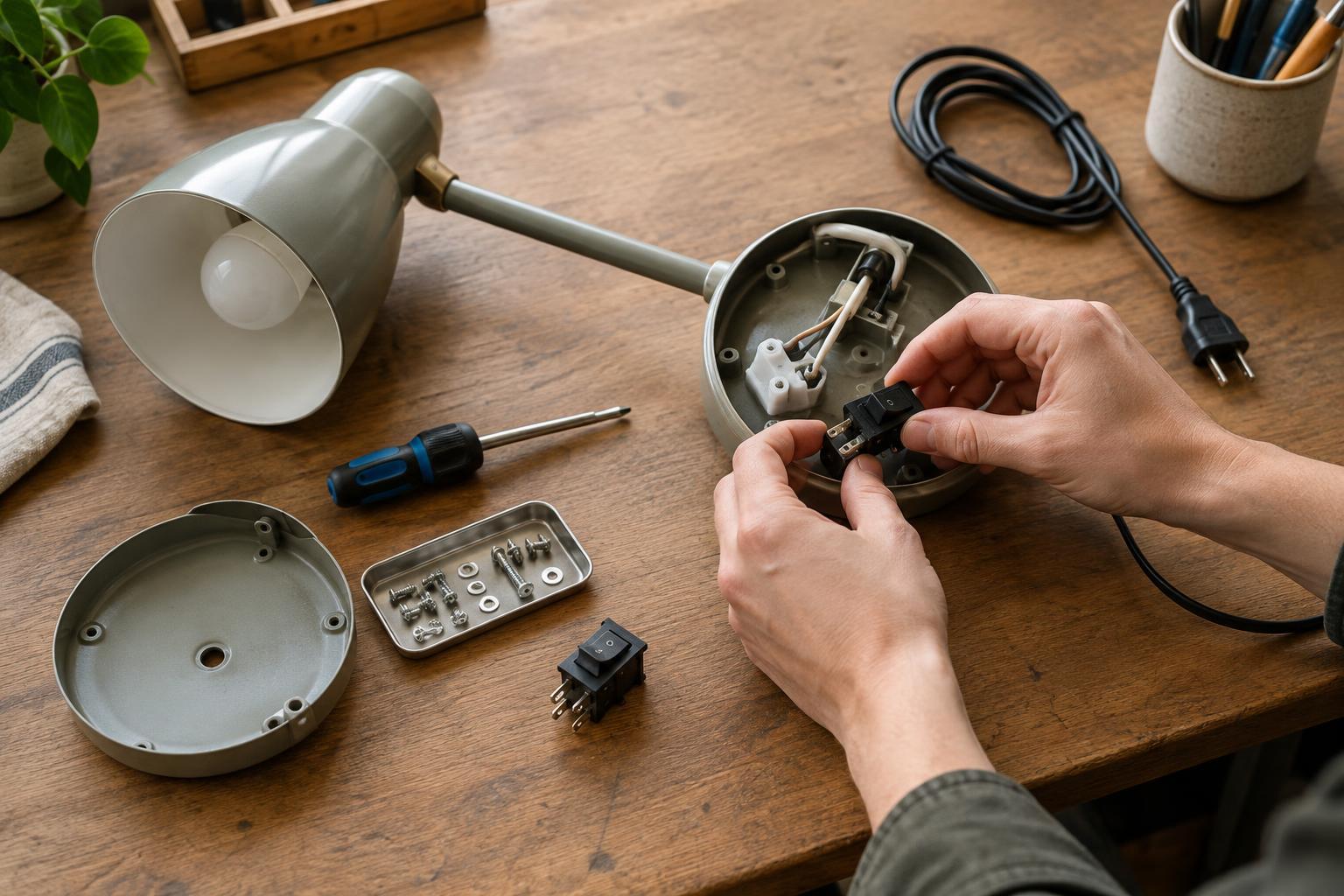
Consider a workshop lamp. A separate light head, arm and base might let a maker offer different mounting options or replace a damaged head. A more integrated lamp could use fewer joints and fasteners, creating a slimmer form and a simpler assembly sequence. Before drawing either version, identify the requirements that matter most: adjustment, stability, appearance, service access, production volume and expected wear.
Choose modules when change has a clear purpose
Modules are valuable when the same core product needs several configurations. A common housing paired with different handles, mounts or controls can support variation without redesigning every version. This works best when the differences can be contained at a defined connection. If every variation forces changes throughout the product, calling the parts modules will not simplify development.
Replacement is another strong reason to separate parts. Components that wear, break or become obsolete before the rest of the product may deserve accessible connections. A removable work surface, for example, can be easier to renew than one permanently bonded to a frame. But replaceability only helps if a person can reach the fasteners, identify the correct part and remove it without damaging neighboring components.
Modules can also help when different workshop processes are best kept apart. A metal frame and a textile panel may need different tools, finishing steps and inspection methods. Designing a dependable connection between them allows each to be made and checked separately. The benefit should be weighed against the extra handling and assembly that connection introduces.
Keep the design integrated when interfaces cost more than they return
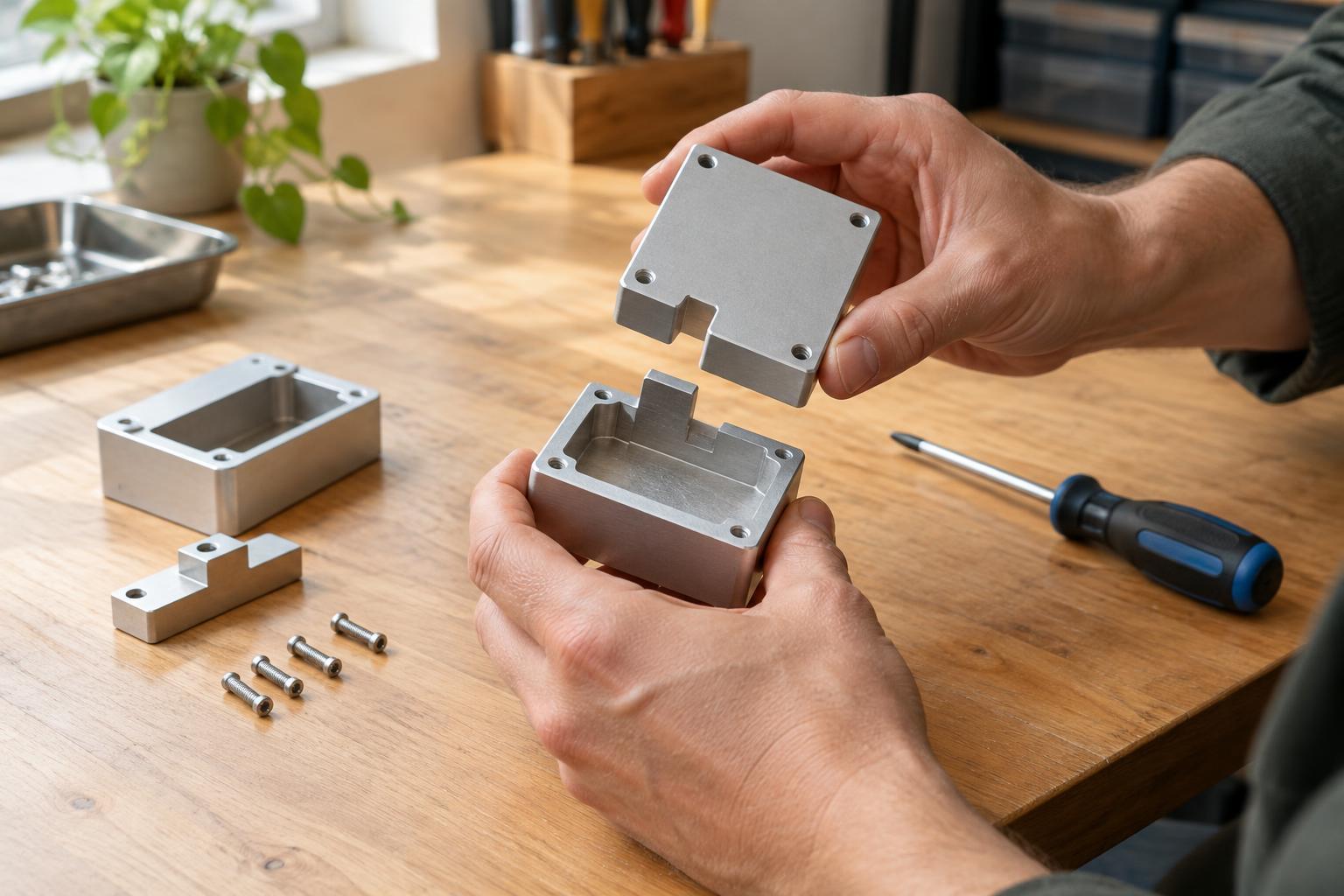
Every module needs an interface: surfaces that locate it, a way to secure it and, sometimes, a path for power, motion or airflow. These features occupy space and may require fasteners, seals, reinforcement or tighter tolerances. They can also create new points for looseness, noise or misalignment. If a product is unlikely to be reconfigured or repaired at a particular boundary, separating it there may add complexity without much benefit.
Integration can be especially useful where continuous shape or stiffness is central to performance. A single formed component may carry a load more efficiently than several pieces joined together, while a continuous exterior may be easier to clean. It may also reduce assembly work. The trade-off is that damage to one area can require replacing or refinishing a larger piece. A visually simple object is not necessarily simple to make, so compare fabrication as well as assembly.
Design the boundary, not just the parts
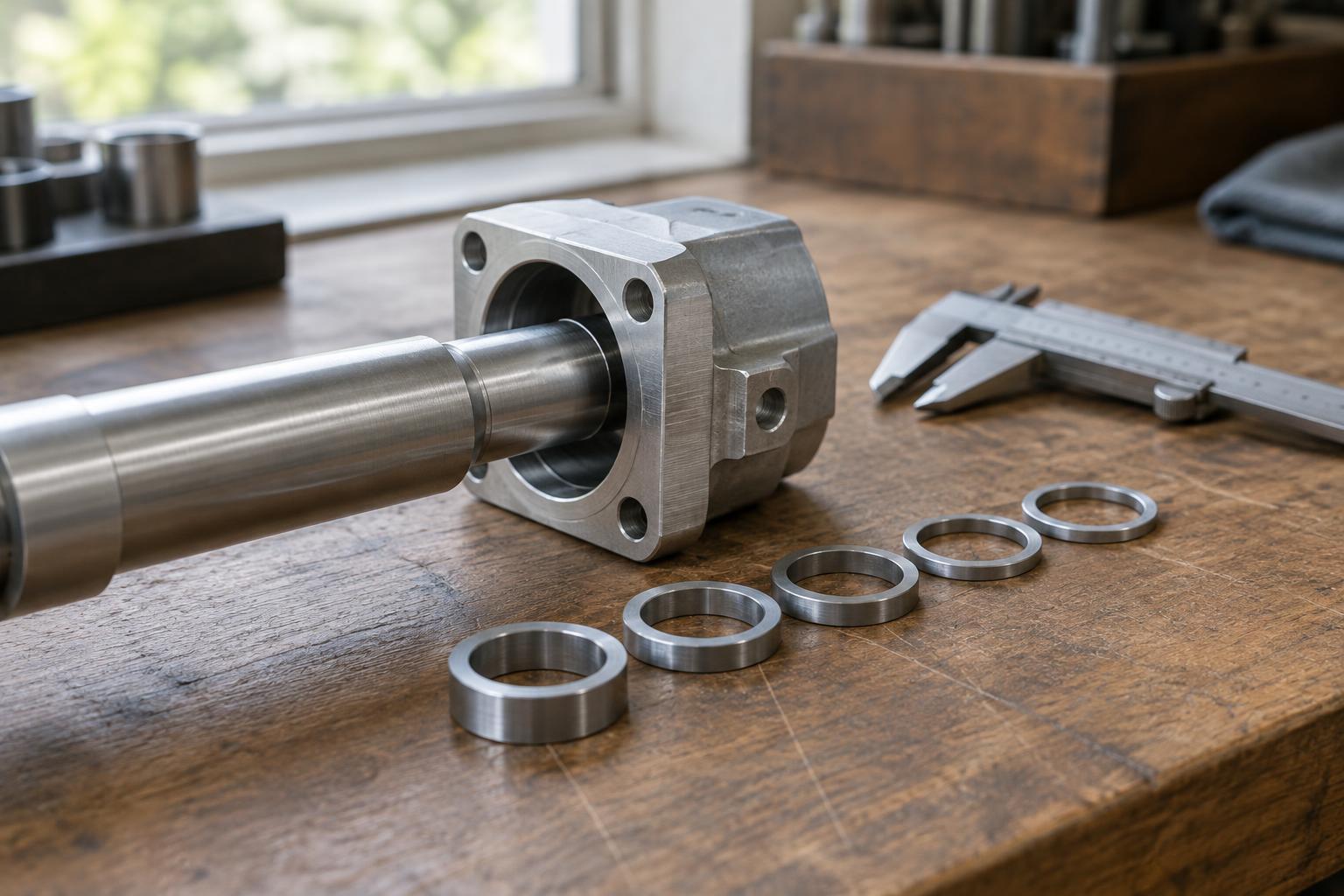
A modular idea succeeds or fails at its connection points. Decide what must remain consistent when one module changes: mounting dimensions, alignment, loads, clearances and the order of assembly. A connection should make incorrect installation difficult where possible. It should also allow for realistic variation in materials and processes; a timber part and a metal part, for instance, may respond differently to moisture, temperature or finishing.
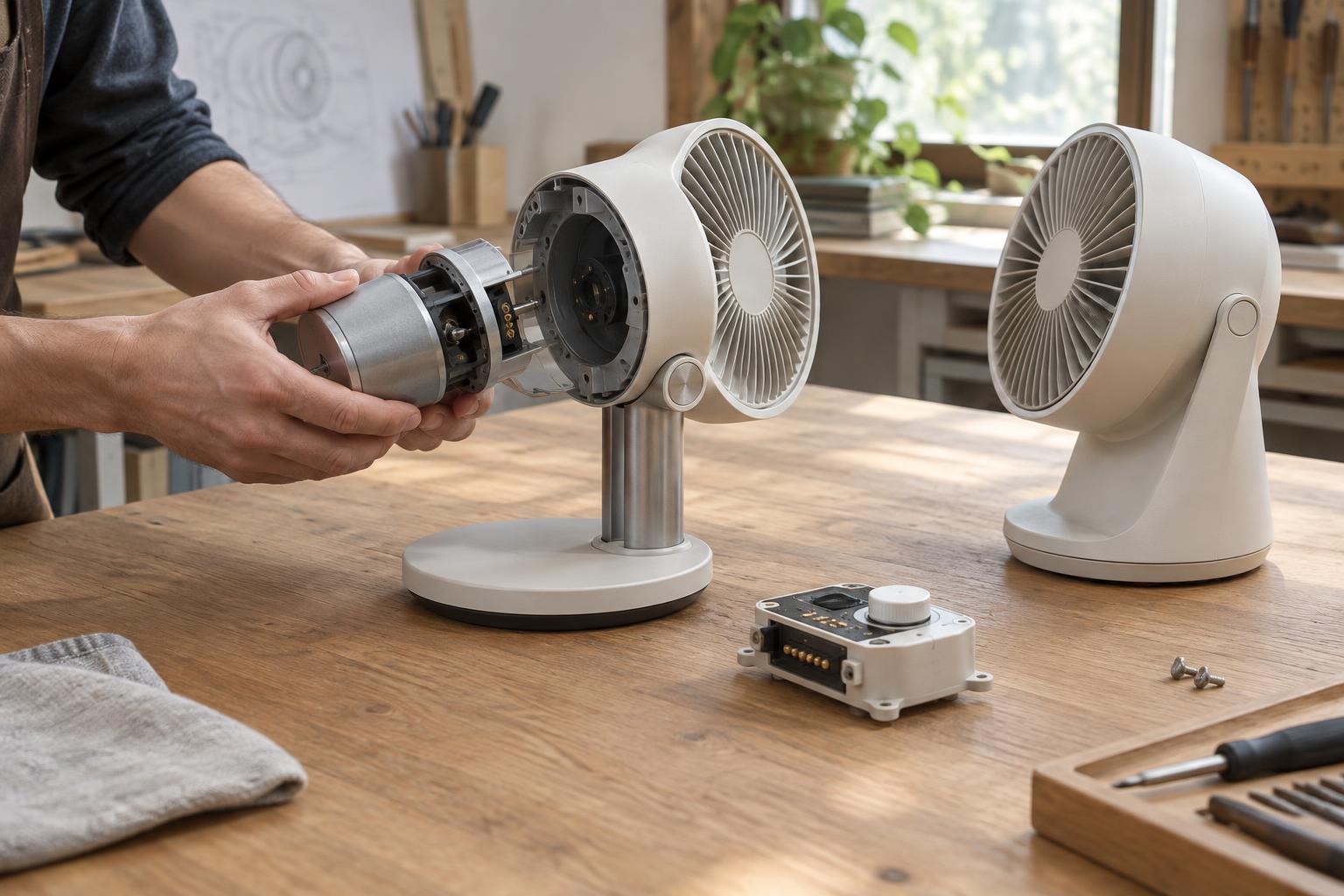
Service access belongs in this discussion from the beginning. A replaceable component is less useful if reaching it means peeling away a permanent finish or dismantling most of the product. Conversely, not every connection needs to be user-accessible. A workshop-replaceable module may provide a sensible balance when an exposed joint would compromise the form or function of the product.
Compare complete lifecycles, then prototype the difficult joint
To choose an architecture, sketch at least two plausible versions and follow each through making, assembly, use, maintenance and disposal. List the parts and joining steps each version needs. Ask which parts are likely to change, whether replacements could realistically be supplied and whether separation would help recover materials. Modularity can support longer use, but only when its extra material and complexity serve a likely need.
Prototype the boundary that carries the greatest uncertainty rather than building only a polished overall model. Assemble and remove it repeatedly. Check fit, access, stability and the tools required. If the joint proves awkward, move the boundary, simplify it or keep the functions integrated. Good product architecture is not a commitment to maximum interchangeability; it is a deliberate choice about where independence is worth its cost.