What a reference sample can clarify
A drawing may specify a color, surface treatment, or edge profile without fully conveying how the finished product should look and feel. Two parts can meet the same dimensions yet appear different because their grain direction, sheen, texture, or transitions between surfaces differ. A physical reference sample gives everyone something tangible to compare. It is especially useful when a feature is difficult to describe with words or measurements alone.
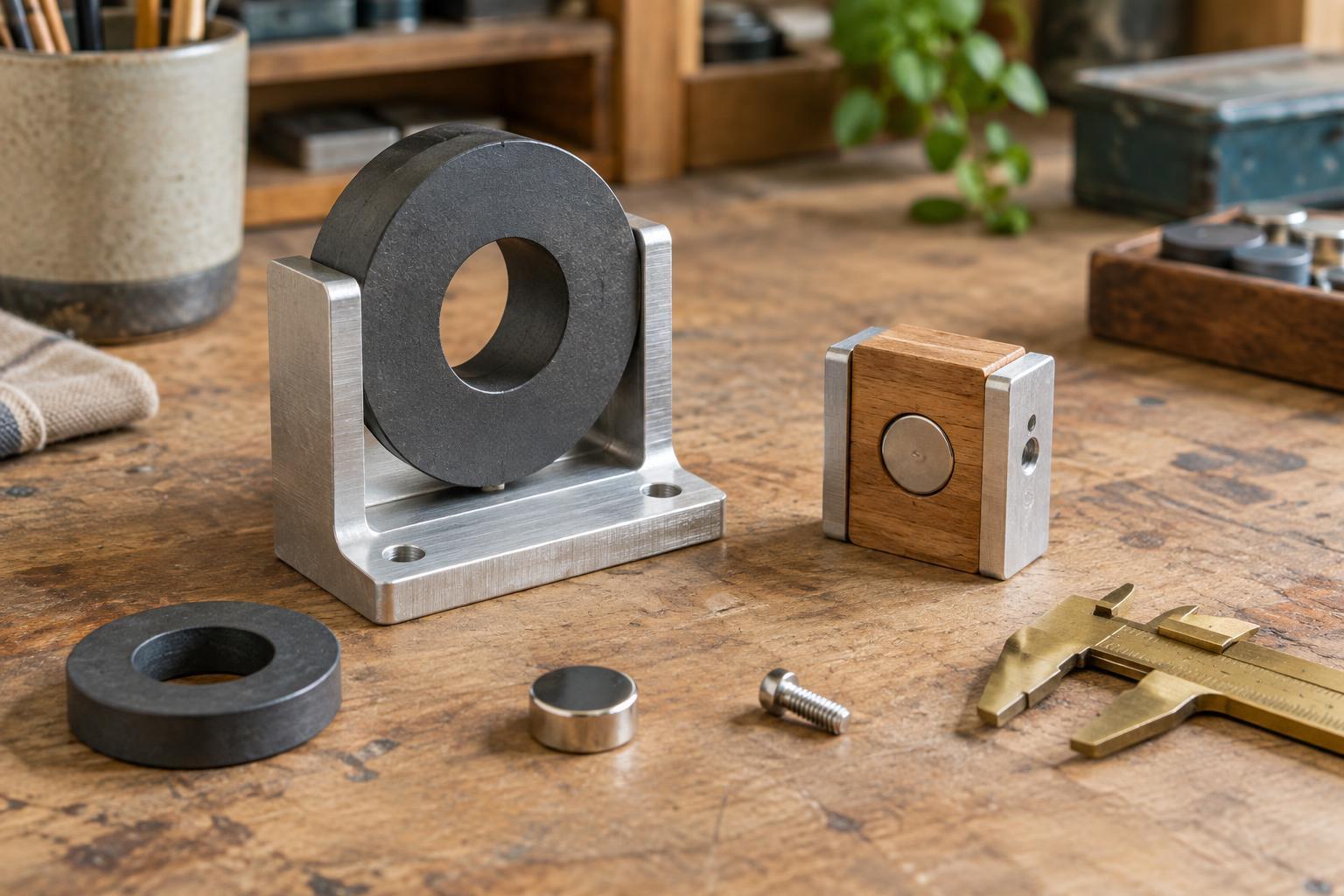
The sample should answer a specific question. A finished housing might show the intended relationship between a matte body and a polished control. A small panel might establish an acceptable wood stain or molded texture. An assembled product might demonstrate the intended resistance of a latch. Choosing the smallest sample that shows the feature clearly can make comparisons easier, but some qualities, such as overall balance or the way several finishes interact, require a complete assembly.
Select and document the right example
Start with a candidate that represents a result the team can reasonably reproduce, not simply the most attractive one-off prototype. Check it under conditions similar to those in which the product will be made and used. A hand-finished surface, for example, may be a poor target for a process that cannot consistently produce the same effect. If the candidate has a flaw that is not part of the target, mark or record that exception rather than leaving others to guess.
Give each approved sample an identifier and record what it governs: color, gloss, texture, fit, operating feel, or another named quality. Note the material, process, finish, and revision where known. Photographs and written descriptions help people locate and discuss features, but they should not silently replace the physical sample when lighting, screen settings, or camera exposure could change its appearance. Record who approved the sample and which product revision it applies to.
Make comparisons repeatable
A reference sample is most useful when people compare it with new work in a consistent way. Decide which surfaces matter, how the parts should be oriented, and what lighting or handling conditions are appropriate. For a visible finish, compare clean surfaces at a similar angle; for a moving control, use the same operating motion. These simple choices reduce disagreements caused by the comparison method rather than by the product.
Decide whether the sample shows a target or a boundary. A target illustrates the intended result, while boundary samples show the limits of variation the team is willing to accept. This distinction matters for natural materials and processes that produce small differences between pieces. If several outcomes are acceptable, a single ideal-looking example may lead people to reject usable work. Pair the samples with clear notes about which differences matter to function, durability, or the intended appearance.
When a disagreement arises, describe the observed difference before deciding what to do about it. “This panel is glossier than the approved sample on the front face” is more useful than “the finish looks wrong.” The team can then check whether the difference comes from material, process, viewing conditions, or normal variation.
Keep the reference trustworthy as the design changes
Physical samples can fade, wear, collect dirt, or be damaged through repeated handling. Store them in a way that protects the qualities they are meant to show, and inspect them before an important comparison. Where handling could alter a critical surface, a protected master and a separate working copy may be helpful. Label both so a convenient copy is not mistaken for the approved original.
Revisit the reference whenever the design, material, supplier, or finishing process changes. A new coating may alter color and feel even if the part dimensions remain unchanged. Rather than quietly swapping samples, record the reason for the change and identify the revision from which the new reference applies. Keep older samples where they are needed to understand or inspect earlier product versions.
Reference samples do not replace drawings, measurable requirements, or functional checks. Their role is to preserve qualities that those tools may not communicate well on their own. Used together, they give the people developing and making a product a clearer answer to a practical question: what result are we trying to repeat?